Search Results for: weep

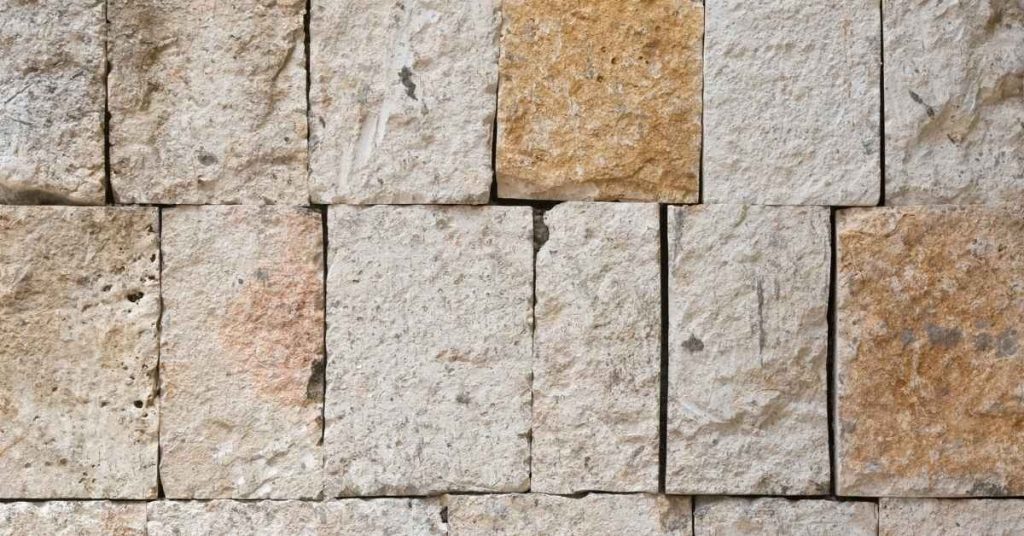
Close-up of rough cut limestone blocks arranged in a wall

Backfilling timing for block retaining walls: when the wall is ready and how to avoid bowing it

Introduction Backfilling timing for block retaining walls means starting to fill behind the wall only after the wall is stable and set. Check that the wall is properly tallied with the foundation, that acceptable drainage components are in place, and follow manufacturer or local guidelines before proceeding. Use small lifts and follow recommended guidance to […]


Backfilling timing for block retaining walls: when the wall is ready and how to avoid bowing it Read More »

Worker wearing yellow helmet drilling into wall with power drill

Adding drainage to an existing block retaining wall: surface fixes vs partial rebuilds

Introduction Adding drainage to an existing block retaining wall involves improving water handling to prevent pressure buildup behind the wall. It covers surface fixes and partial rebuild options for managing run-off and seepage. This guide stays practical and aims to help you assess signs of drainage problems and choose safe approaches. You’ll start by identifying

Adding drainage to an existing block retaining wall: surface fixes vs partial rebuilds Read More »

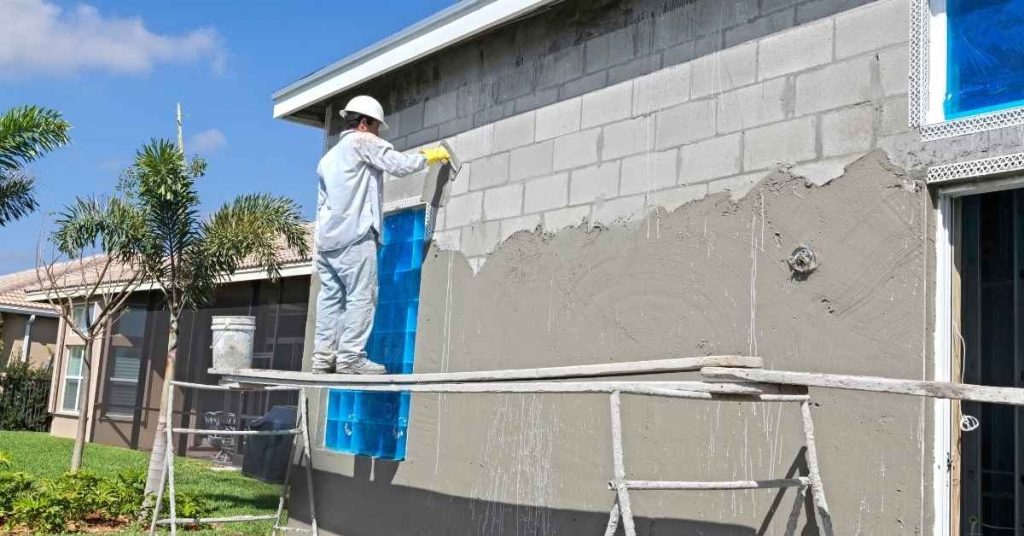
Worker applying stucco on cinder block wall outdoors

Parging vs stucco on block: prep, bonding, and avoiding delamination

Introduction Parging and stucco are two surface finishes for block walls, with parging being a thin cement-based coating and stucco a thicker, textured layer. Both aim to prevent moisture intrusion and create a smooth or textured exterior. The article compares prep, bonding, and how to avoid delamination in each method. Surface prep should start with

Parging vs stucco on block: prep, bonding, and avoiding delamination Read More »

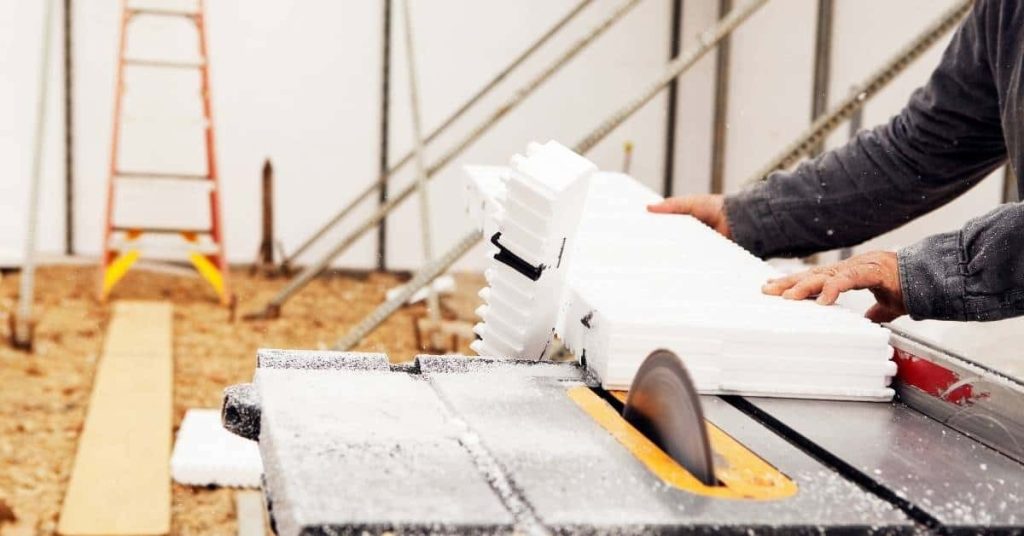
Person cutting white foam insulation board on table saw

Interior moisture management on block walls: furring, insulation, and vapor strategy that won’t trap water

Introduction Interior moisture management on block walls is the practice of keeping the wall assembly dry by separating the concrete from finishes with furring, insulation, and a controlled vapor path. This hands‑on approach focuses on airflow, condensation control, and dry finishes rather than relying on the concrete to act as a wet surface. Work with

Interior moisture management on block walls: furring, insulation, and vapor strategy that won’t trap water Read More »

Person using power drill on composite deck boards

Waterproofing block foundations: coatings vs membranes vs drainage boards

Introduction Waterproofing block foundations means choosing between coatings, membranes, or drainage boards to keep moisture from entering the structure. Coatings seal the surface, membranes create a continuous barrier, and drainage boards help direct water away from the wall. Think about how water will contact the wall and what prep is needed before any product is

Waterproofing block foundations: coatings vs membranes vs drainage boards Read More »

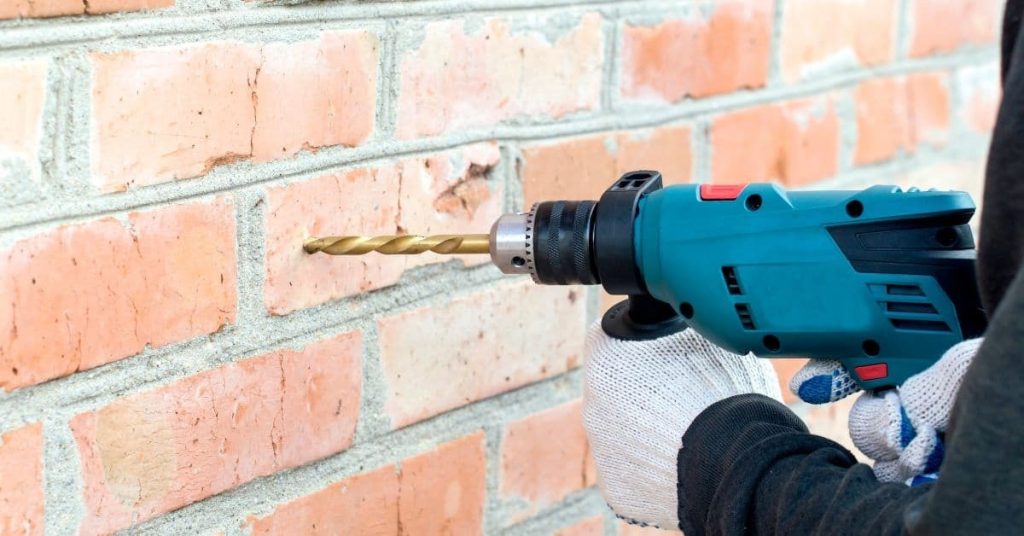
Person drilling into a brick wall with a blue power drill

Common brick repair scams: what ‘miracle sealers’ can’t fix

Introduction Miracle sealers are scams that cannot fix brickwork. They may promise permanent repair of cracks, moisture, or damaged mortar, but they fail to address real defects. A straight, honest approach relies on proper assessment and proven repair methods. Before you start, understand what needs addressing and what a DIY repair can and cannot cover.

Common brick repair scams: what ‘miracle sealers’ can’t fix Read More »

Gray brick wall with visible mortar joints

Winter brick repointing: temperature limits, protection, and curing reality

Introduction Winter brick repointing means renewing mortar joints during cold weather while managing temperature and curing. The process requires careful protection of the work area and an awareness of how low temperatures affect mortar performance. Prepare to adapt with weather-appropriate methods and follow manufacturer instructions for products. Expect questions about temperature limits, protective enclosures, and

Winter brick repointing: temperature limits, protection, and curing reality Read More »

Closeup of red brick wall with mortar joints

Repairing brick mortar washout at grade: grading changes and sacrificial mortar choices

Introduction Repairing brick mortar washout at grade means restoring deteriorated mortar where the wall meets the soil and addressing shifts in ground moisture. The approach combines survey of damage with practical steps that respect historic materials and the effect of grading on moisture. It’s a hands-on task that requires careful observation and clear planning. Old

Repairing brick mortar washout at grade: grading changes and sacrificial mortar choices Read More »

old red brick wall with mortar joints and some white stains

How to spot failed brick flashing: stain trails, damp sheathing clues, and inspection points

Introduction Failed brick flashing shows up as moisture intrusion at joints, leaving stain trails and damp spots on the wall. It signals that water is not being directed away properly. You’ll want to look for signs of staining, softness, or peeling where the flashing meets the surface. In practice, inspect for moisture clues around manufactured

How to spot failed brick flashing: stain trails, damp sheathing clues, and inspection points Read More »