Search Results for: vertical joint repoint

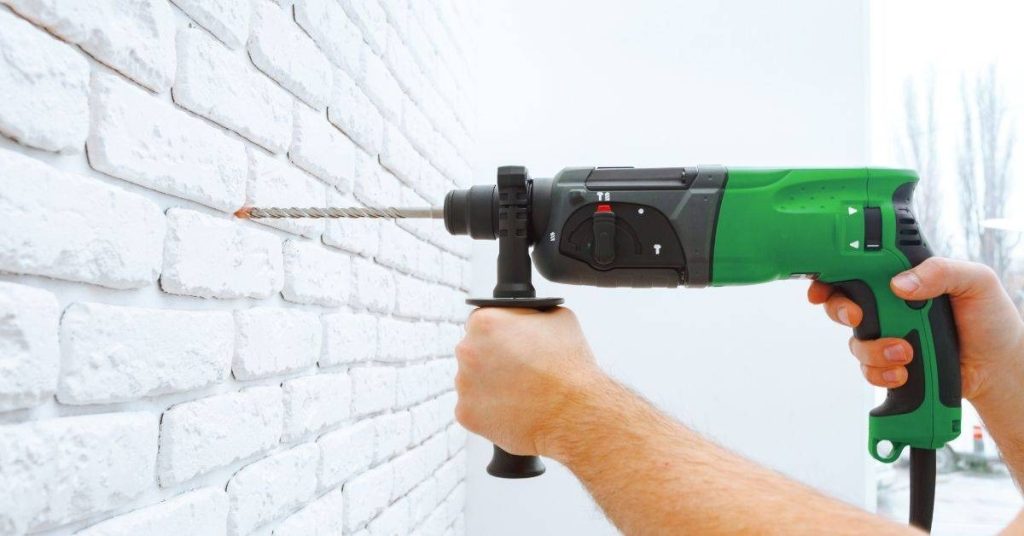
Person using green handheld electric drill on white brick wall

Rebuilding a loose single-wythe brick wall: tying methods and when to rebuild a section

Introduction Rebuilding a loose single-wythe brick wall involves using tying methods to re-secure the masonry and prevent additional movement. Identify the points of looseness and choose appropriate tying or anchoring approaches based on the wall condition. In some cases, that work only stabilizes the wall and a section may still need rebuilding if the bricks […]

Rebuilding a loose single-wythe brick wall: tying methods and when to rebuild a section Read More »
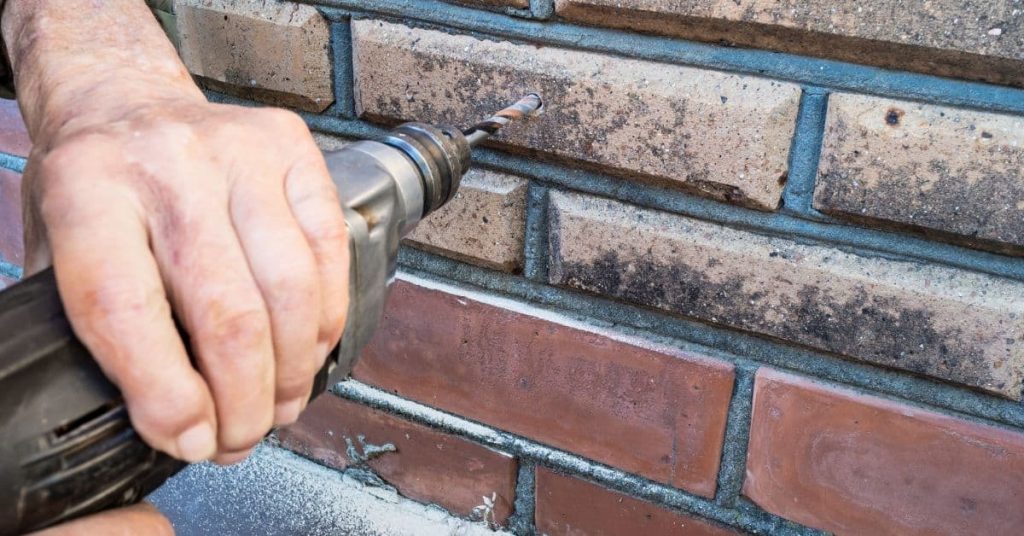
Hand holding drill making hole in brick wall

Salt damage to brick near sidewalks: preventing splashback and replacing compromised units

Introduction Salt damage to brick near sidewalks is deterioration caused by salt exposure that draws moisture and can cause spalling or flaking. This article explains how splashback occurs and what you can do to reduce damage before inspecting or replacing bricks. To approach the job, start by looking for efflorescence, cracks, or loose units near

Salt damage to brick near sidewalks: preventing splashback and replacing compromised units Read More »

Closeup of three steel lag screws with hex heads

Rusting steel lintels over brick openings: expansion cracks, temporary fixes, and proper replacement

Introduction Rusting steel lintels over brick openings are corroded structural supports that span the opening and can threaten the masonry. Early signs include rusty stains, cracking joints, and subtle movement around the opening. These issues arise from moisture, age, or poor installation and call for careful assessment before any fixes. Addressing them involves identifying causes

Rusting steel lintels over brick openings: expansion cracks, temporary fixes, and proper replacement Read More »

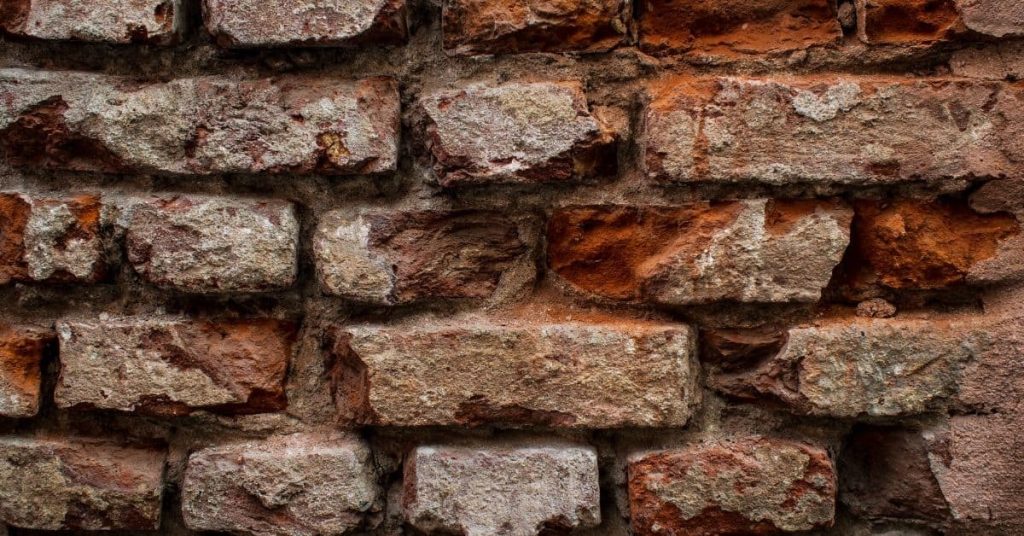
close-up of weathered rough red brick wall texture

Brick step settlement: drainage fixes and reset strategies that hold

Introduction Brick step settlement occurs when the treads move out of level due to soil drainage and footing issues. Identifying stair-step cracks and understanding basic causes helps you decide if a DIY reset is feasible. This guide sticks to plain language and practical steps you can assess on the job. Drainage fixes and reset strategies

Brick step settlement: drainage fixes and reset strategies that hold Read More »

Gloved hand using electric drill on textured wall

Installing house numbers on brick: standoff mounts that prevent water intrusion

Introduction Standoff mounts keep house numbers away from brick to prevent water intrusion. They attach with masonry anchors and provide clearance for the fasteners and the number itself. Choose a mount that suits your brick texture and weight, and check that the anchors and outdoor rating are appropriate for brick and moisture exposure. You’ll need

Installing house numbers on brick: standoff mounts that prevent water intrusion Read More »

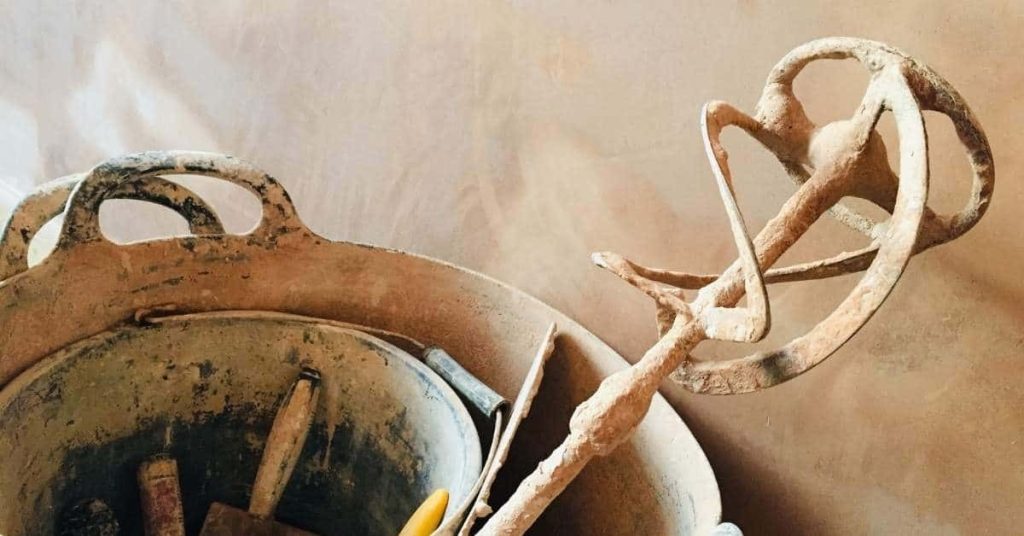
Old mixing bucket with mortar mixer tool inside

Too-hard brick mortar damage: signs, causes, and how to correct future repairs

Introduction Too-hard brick mortar damage is damage that results when the mortar in a wall has become excessively hard and brittle, leading to cracks and bond failure. Signs include visible cracks between bricks, loose or hollow-sounding joints, and bricks that push or tilt out of place. It often stems from over-tamped or overly aggressive mixes,

Too-hard brick mortar damage: signs, causes, and how to correct future repairs Read More »

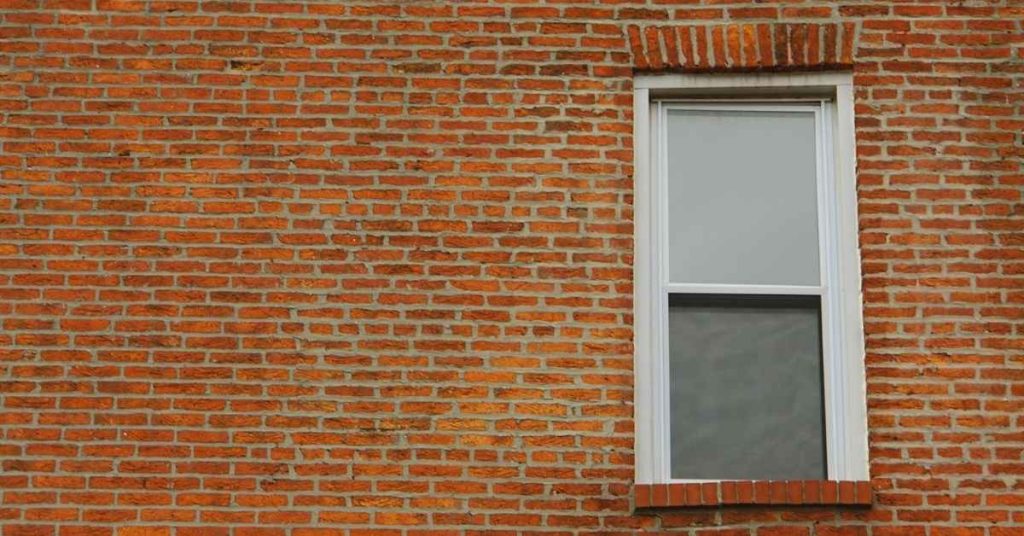
Brick wall with window and brick lintel above

Replacing a Rusted Brick Lintel: Supporting the Wall and Preventing Future Stains

Introduction Replacing a rusted brick lintel means removing the corroded support above an opening and installing a proper replacement to keep the wall carrying loads. Before you touch it, set up temporary shoring to hold the wall while you work, and inspect the surrounding brick and mortar for damage. Check local rules and the manufacturer’s

Replacing a Rusted Brick Lintel: Supporting the Wall and Preventing Future Stains Read More »

Construction worker laying mortar on brick wall outdoors

Stair-Step Cracks in Brick Walls: What They Mean and When It’s Serious

Introduction Stair-step cracks in brick walls are diagonal cracks that zigzag up the wall along the mortar joints. They often signal movement in the wall, not just settling. If you see them, inspect for movement, moisture, and any doors or windows that stick. What you do next depends on how serious the crack looks and

Stair-Step Cracks in Brick Walls: What They Mean and When It’s Serious Read More »

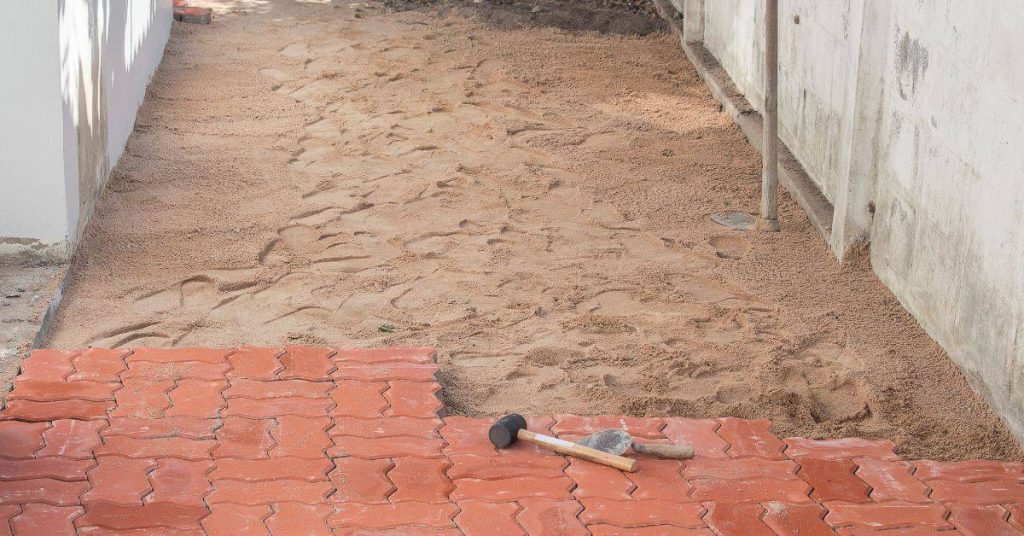
Partially laid red brick pavers with sand base and tools

Rebuilding Loose Brick Steps: When to Reset vs Rebuild (and how to prep the base)

Introduction Resetting loose brick steps means stabilizing the stairs by cleaning the base, re-seating the bricks, and securing them so the steps are solid again. This article walks you through deciding when to reset versus rebuild and how to prep the base. You’ll find practical, hands-on tips for a DIY job without fancy gear. Start

Rebuilding Loose Brick Steps: When to Reset vs Rebuild (and how to prep the base) Read More »