Search Results for: vapor barrier

How to Protect Puppies from Hot Concrete: Easy Ways to Cool and Shade New Walkways

How to Protect Puppies from Hot Concrete: Easy Ways to Cool and Shade New Walkways

Introduction Keep puppies safe on hot concrete by cooling surfaces and providing shade to prevent burns and heat stress. The guide shows practical steps you can take, from choosing effective shade options to simple cooling methods and sensible walk-time planning. You’ll learn how to assess surface temperatures, create comfortable microclimates, and apply easy, pet-safe tips […]

How to Protect Puppies from Hot Concrete: Easy Ways to Cool and Shade New Walkways Read More »

When Is Fresh Concrete Safe for Dogs to Walk On? Curing Times and Simple Tests for Homeowners

When Is Fresh Concrete Safe for Dogs to Walk On? Curing Times and Simple Tests for Homeowners

Introduction Fresh concrete isn’t safe for dogs to walk on until it has fully cured. The guide explains typical curing times, simple at-home tests to check readiness, and practical tips to protect pets during the curing period. Related: Concrete Walks for Your Furry Friend: When is it Safe for Dogs to Step On?. Key takeaways

When Is Fresh Concrete Safe for Dogs to Walk On? Curing Times and Simple Tests for Homeowners Read More »

Repairing Concrete After Spray Foam Removal: Patch, Grind, and Prep Steps for a Smooth Finish

Repairing Concrete After Spray Foam Removal: Patch, Grind, and Prep Steps for a Smooth Finish

Introduction Repairing concrete after spray foam removal involves patching damaged spots, grinding to a smooth profile, and properly prepping the surface for a uniform finish. This guide explains practical steps, tips, and everyday best practices you can apply to achieve a seamless repair that accepts paint or coatings. Key takeaways Assess adhesive remnants and unsound

Repairing Concrete After Spray Foam Removal: Patch, Grind, and Prep Steps for a Smooth Finish Read More »

How to Use a Pinless Moisture Meter to Find Hidden Water in Stucco and Eifs

How to Use a Pinless Moisture Meter to Find Hidden Water in Stucco and Eifs

Table of Contents What is a pinless (non‑invasive) moisture meter? When to use pinless vs. pin/probe meters and moisture scanners Tools, gear, and prep checklist for safe EIFS/stucco moisture scans Step‑by‑step scanning technique for stucco and EIFS Interpreting readings: thresholds, relative values, and common confounders Confirming suspect readings and avoiding false positives Common user errors,

How to Use a Pinless Moisture Meter to Find Hidden Water in Stucco and Eifs Read More »

Best Sealants and Tapes for Repairing Wrbs Around Window and Door Openings

Best Sealants and Tapes for Repairing WRBs Around Window and Door Openings

Table of Contents Overview: Why WRB Repairs Around Openings Matter Sealant Types and Best Uses (Silicone, Polyurethane, Hybrid/MS) Flashing Tapes vs Liquid‑Applied Membranes Surface Preparation and Adhesion Best Practices Installation Sequences and Step‑by‑Step Flashing Details Technical Specs to Compare (Adhesion, Movement, UV, Temp) Product Selection Flowchart and Climate/Substrate Guidance Tools, Materials Checklist and Job-Site Best

Best Sealants and Tapes for Repairing WRBs Around Window and Door Openings Read More »

Testing Epoxy Expiration with a Small Sample

Testing Epoxy Expiration with a Small Sample

Table of Contents What “expired” epoxy means (chemical and practical definitions) Safety first: PPE, ventilation, and handling old epoxy Preparing a reliable small-sample test (materials, environment, and controls) Step-by-step mini-cup cure test (the core small-sample method) Quick qualitative checks before doing destructive tests (visual, smell, viscosity) Mechanical and functional small-sample tests (brittleness, hardness, adhesion) Diagnosing

Testing Epoxy Expiration with a Small Sample Read More »

Making Your Own Control Joint Tool from Scrap Steel

Making Your Own Control Joint Tool from Scrap Steel

Table of Contents What is a Control Joint Tool and Why Make One from Scrap Steel Concrete Joint Standards and Design Requirements Materials — Choosing the Right Scrap Steel Tools, Consumables, and Safety Gear Needed Design Options and Templates (Fixed vs Adjustable) Step-by-Step Fabrication: Cutting and Shaping Parts Assembly and Welding Best Practices Heat Treatment,

Making Your Own Control Joint Tool from Scrap Steel Read More »

Rapid-Set Products: Where They Shine and Common Mistakes

Rapid-Set Products: Where They Shine and Common Mistakes

Table of Contents What “Rapid-Set” Means — Chemistry, Set vs. Cure Times Types of Rapid-Set Products and Typical Uses Use-Cases Where Rapid-Set Products Shine Preparation and Best-Practice Application Steps Tools, Mixing Tips, and Managing Pot Life Environmental Constraints — Temperature, Humidity, and Weather Strength, Durability, Compatibility, and Long-Term Performance Common Mistakes, Troubleshooting, and Repair Options

Rapid-Set Products: Where They Shine and Common Mistakes Read More »

Using Polymer Sand Vs. Mortar in Wide Paver Joints on Concrete

Using Polymer Sand Vs. Mortar in Wide Paver Joints on Concrete

Table of Contents Quick comparison: polymeric sand vs mortar (summary) Suitable joint widths and depths for each material Prep steps for existing pavers on concrete Application process for polymeric sand (detailed how‑to) Application process for mortar (detailed how‑to) Drainage, substrate and edge restraint considerations Durability, flexibility, and lifecycle performance Cost, time and labor comparison (initial

Using Polymer Sand Vs. Mortar in Wide Paver Joints on Concrete Read More »

Using Recycled Glass as Decorative Aggregate—Safety Notes

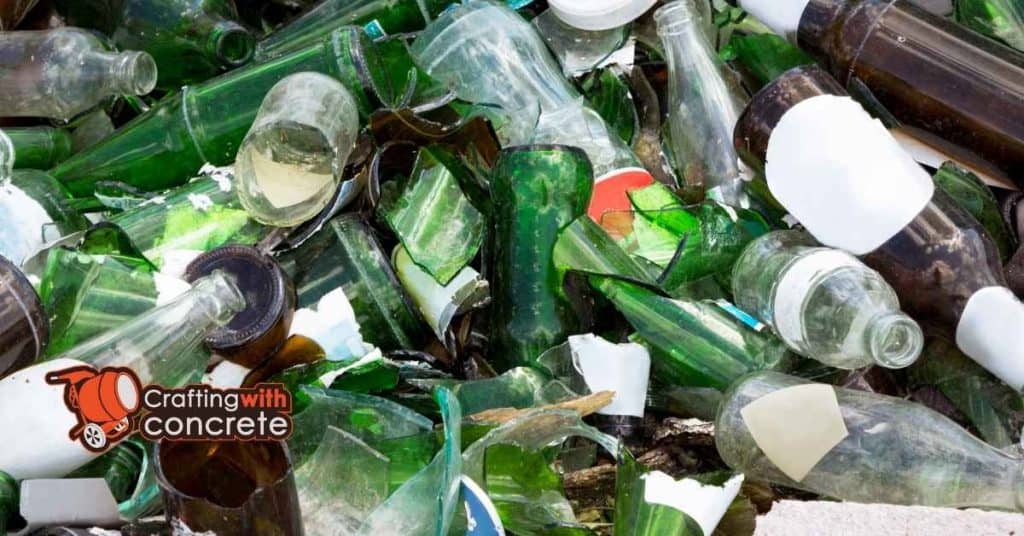
Table of Contents What is recycled glass aggregate (cullet) and common sizes Health concerns: sharpness, cuts, and handling Inhalation risks and silica considerations Safe preparation and processing of recycled glass DIY crushing and safety protocols Sourcing recycled glass: municipal programs and suppliers Applications suitable for decorative recycled glass Installation best practices to minimize safety risks

Using Recycled Glass as Decorative Aggregate—Safety Notes Read More »