Search Results for: vapor barrier

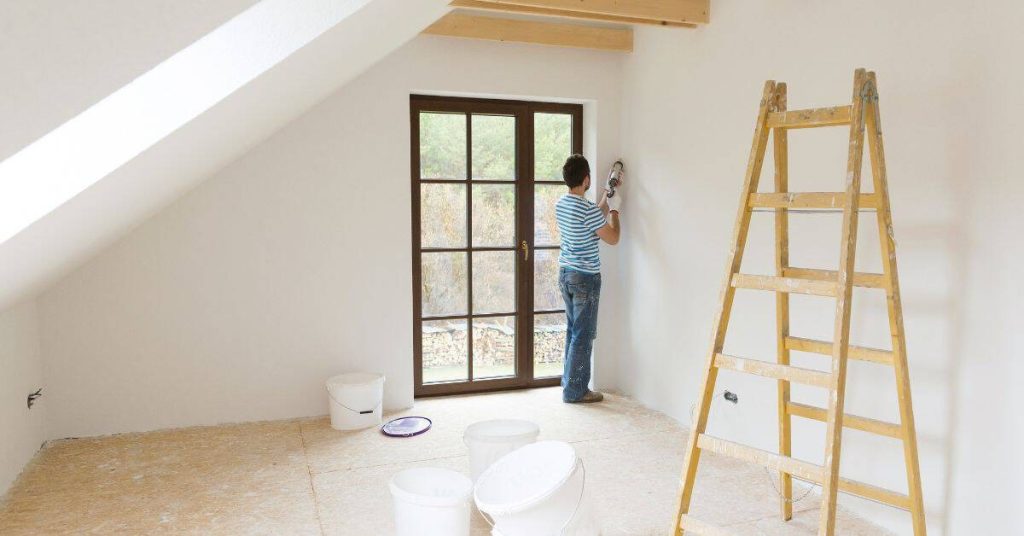
Person sanding white interior wall near window with ladder nearby

Removing Wax and Polish Residue: Prep steps before repainting

Introduction Removing wax and polish residue is the process of cleaning films left on surfaces so paint will stick. This prep step targets slick layers that interfere with adhesion before you sand, prime, or repaint. If you’re unsure, check the cleaner’s label or the manufacturer’s guidance for safe use and disposal. Begin with a gentle

Removing Wax and Polish Residue: Prep steps before repainting Read More »

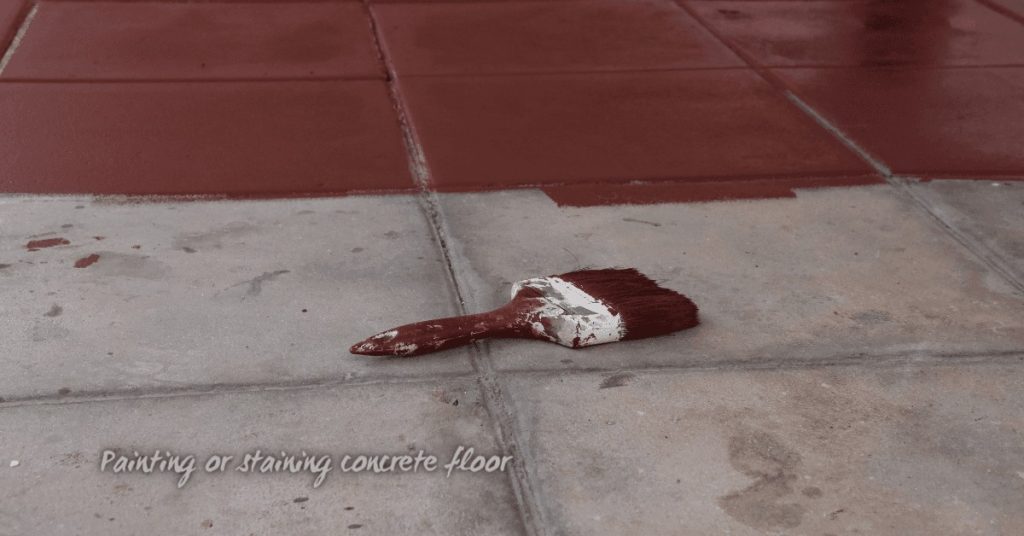
Paint brush resting on concrete floor tiles with red paint

Painting Concrete Block Basements: Preventing flaking and chalking

Introduction Painting concrete block basements is applying a coat of paint designed to bind to masonry and protect from moisture and wear. A good job starts with prep to stop flaky paint and chalky residues from coming back. Check your local rules and product instructions for compatible primers and finishes. Begin with a clean, dry

Painting Concrete Block Basements: Preventing flaking and chalking Read More »

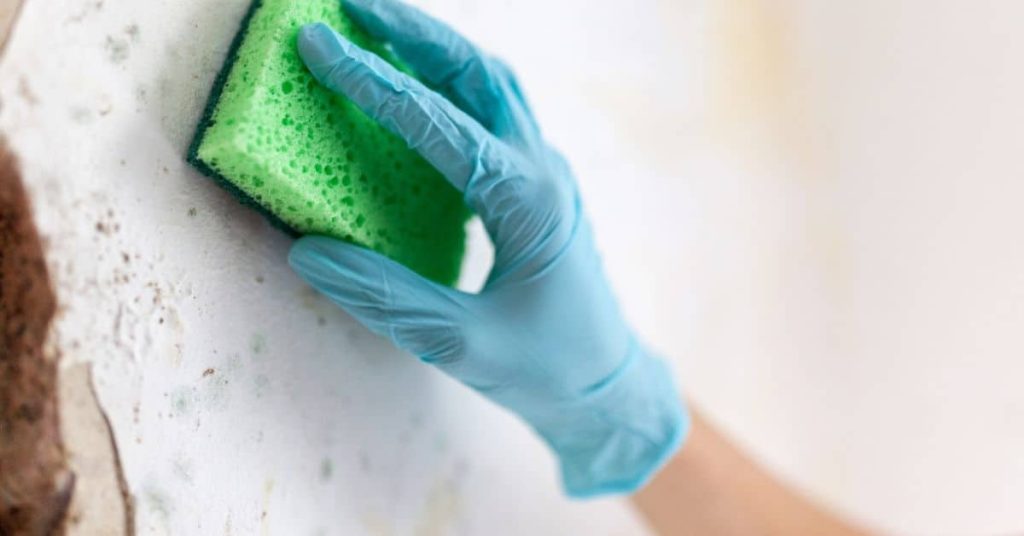
Gloved hand scrubbing white concrete wall with green sponge

Concrete Paint Prep: Cleaning, profiling, and drying for adhesion

Introduction Concrete paint prep is the process of cleaning the surface, creating a slight profile for the paint to grip, and ensuring it dries cleanly before coating. This hands-on approach helps adhesion and long-lasting results, not just a quick splash of color. Check the surface condition, the moisture level, and follow the paint label for

Concrete Paint Prep: Cleaning, profiling, and drying for adhesion Read More »

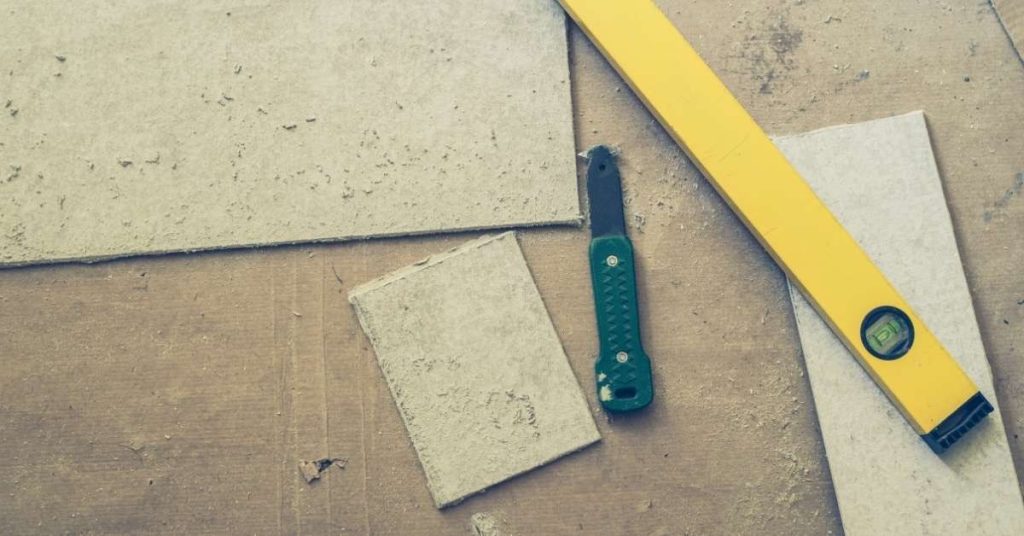
cut cement board pieces with utility knife and level nearby

Waterproofing Over Cement Board: Liquid Membrane vs Sheet Membrane (Pros/Cons)

Introduction Liquid membrane vs sheet membrane are two options for waterproofing cement board, each creating a moisture barrier. Liquid membranes are painted or rolled on as a coating, while sheet membranes come as pre-formed material you apply over the surface. Check manufacturer instructions and local rules for curing times, substrate prep, and limits of use.

Waterproofing Over Cement Board: Liquid Membrane vs Sheet Membrane (Pros/Cons) Read More »

Close-up of cracked concrete surface with multiple fissures

Cold-Applied Crack Fillers: Which Ones Work and Which Wash Out

Introduction Cold-applied crack fillers are products you can apply at room temperature to seal cracks without using heat. Key takeaways Choose filler types by crack width, substrate, and expected movement. Verify weather suitability and cure times against manufacturer instructions before mixing. Prepare surfaces: clean, dry, and free of loose material prior to application. Apply with

Cold-Applied Crack Fillers: Which Ones Work and Which Wash Out Read More »

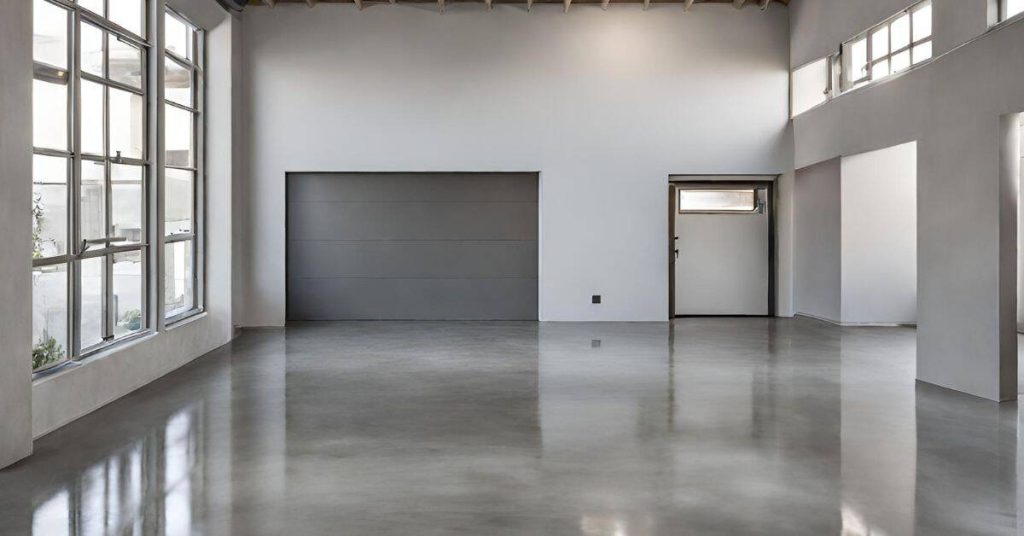
Empty room with polished concrete floor and large windows

Moisture Mitigation Systems for Concrete Floors: When You Need One

Introduction A moisture mitigation system blocks moisture from a concrete floor before you install finishes. It helps prevent staining, mold, and fast finish failures. The approach varies, but the goal is to keep dampness from wicking into your flooring. Watch for signs of moisture damage like peeling coatings, dark patches, or a musty smell. Give

Moisture Mitigation Systems for Concrete Floors: When You Need One Read More »