Search Results for: urethane foam roofing

Workers applying fresh stucco to exterior wall

How to Add a Control Joint to Existing Stucco (Is It Possible?)

Introduction Yes, you can add a control joint to existing stucco by creating a defined break and backing it with proper trim to control cracking. Key takeaways Assess stucco condition and substrate integrity before planning any control joint. Identify joint type (pre-molded, formed, or saw-cut) suitable for existing stucco. Gather tools: chisel, grinder with diamond

How to Add a Control Joint to Existing Stucco (Is It Possible?) Read More »

Metal hose bib mounted on textured stucco wall

How to Repair Stucco Holes Around Pipes, Lights, and Hose Bibs

Introduction Repairing stucco holes around pipes, lights, and hose bibs means patching and sealing the open gaps in the exterior surface so water can’t seep in. Identify what caused the hole and what material surrounds it, since different hole types call for different patching approaches. Choose a cement-based patch that fits the hole type and

How to Repair Stucco Holes Around Pipes, Lights, and Hose Bibs Read More »

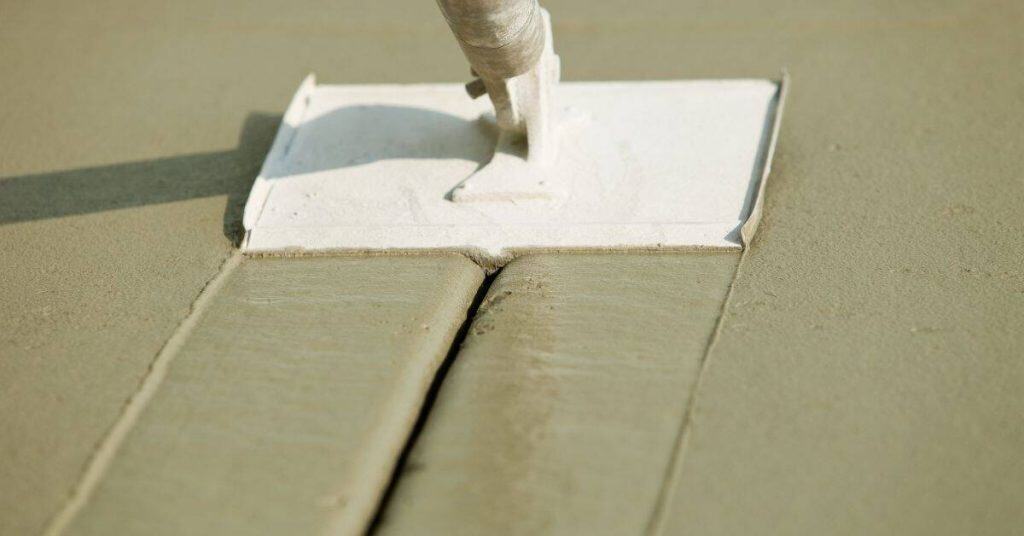
Concrete surface being grooved with a hand tool

Control Joints Vs Expansion Joints in Concrete: Placement, Spacing, and Timing

Introduction Control joints are deliberate grooves that control where cracks form, while expansion joints separate slabs to accommodate movement. In practice, placement is planned during finishing to guide cracking, and timing depends on how the concrete cures and hardens. Always check manufacturer instructions and local rules for any specific requirements. Spacing and type depend on

Control Joints Vs Expansion Joints in Concrete: Placement, Spacing, and Timing Read More »

Corner of wall with visible large crack in plaster

Winter Ice Dams and the Risk of Stucco Water Damage: Problems Explained: Causes, Testing, and Fixes

Introduction Ice dams occur when melted snow refreezes at the eave, driving water against exterior stucco and risking damage. In winter, heat loss through the roof and improper insulation can fuel that melting, while lingering dammed water can seep behind the stucco. This article explains the problems, the common causes, and practical ways to spot

Winter Ice Dams and the Risk of Stucco Water Damage: Problems Explained: Causes, Testing, and Fixes Read More »

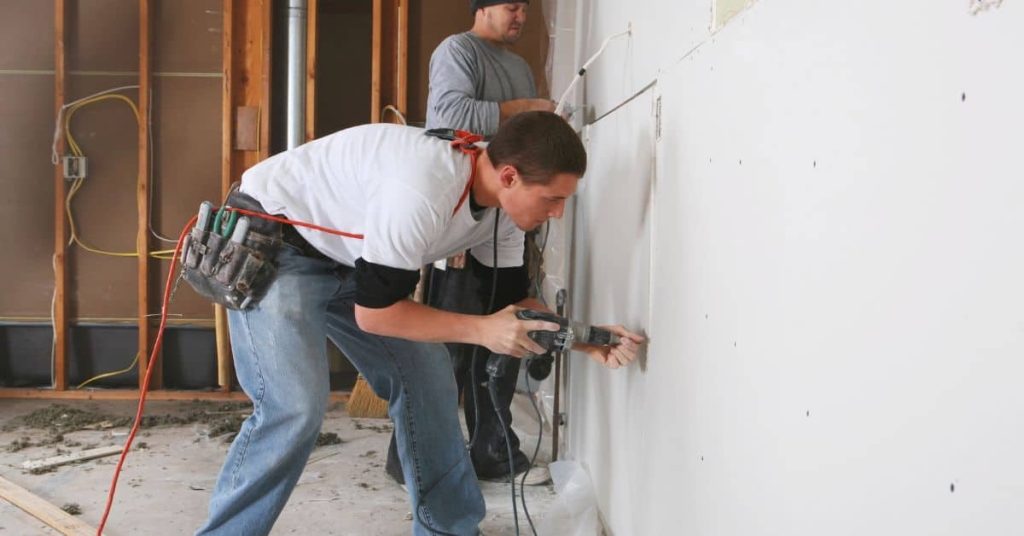
Worker drilling into drywall with another person in background

Air Sealing Drywall Under Layers of Rockwool Batts (Problems Explained: Causes, Testing, and Fixes)

Introduction Air sealing drywall under rockwool batt insulation means closing gaps around the drywall so air can’t slip through the wall assembly. It’s about finding where warm air leaks and sealing them before finishing the wall; you want a tight, continuous barrier that reduces drafts and keeps conditioned air in the room. Note: work safely

Air Sealing Drywall Under Layers of Rockwool Batts (Problems Explained: Causes, Testing, and Fixes) Read More »

Person applying plaster to wall near window corner

Repairing Cracks at Door and Window Corners: Reinforcement Methods That Stay Invisible

Introduction Invisible reinforcement methods for cracks at door and window corners involve strengthening the surrounding frame and substrate without visible patching. This article covers practical, stay-in-place techniques you can do yourself to keep a tight, long-lasting seal. You’ll identify crack types and choose a method that doesn’t alter the look of the opening. Identify crack

Repairing Cracks at Door and Window Corners: Reinforcement Methods That Stay Invisible Read More »

Worker applying plaster to wall with trowel and hawk

Plaster and Vapor: Where Breathability Matters in Older Walls

Introduction Breathable plaster and finishes are materials that allow moisture to move through walls while still providing a solid, decorative surface. In practical DIY terms, that means choosing coatings that don’t seal the wall airtight, so old walls can dry out after moisture events. This matters most on older homes with lime or clay components

Plaster and Vapor: Where Breathability Matters in Older Walls Read More »

Plastic Sheeting Curing: How to Avoid Discoloration and Plastic Marks

Plastic Sheeting Curing: How to Avoid Discoloration and Plastic Marks

Introduction Proper curing of plastic sheeting prevents discoloration and plastic marks. You’ll learn how to choose the right materials, control heat and moisture during curing, and perform simple checks to prevent color changes and texture marks. Key takeaways Choose low permeability plastic rated for curing; avoid recycled films altogether. Apply film while concrete is plastic

Plastic Sheeting Curing: How to Avoid Discoloration and Plastic Marks Read More »

7 Cool Projects You Can Do with Leftover Paint: DIY Tips + Smart Alternatives

7 Cool Projects You Can Do with Leftover Paint: DIY Tips + Smart Alternatives

Introduction Leftover paint can be transformed into seven cool projects with simple steps and smart alternatives. This introduction explains why salvaging paint matters for less waste and more creative reuse, and it sets up practical, real-world guidance you can apply at home. You’ll learn how to choose projects, mix colors safely, and follow approachable tips

7 Cool Projects You Can Do with Leftover Paint: DIY Tips + Smart Alternatives Read More »