Search Results for: tar paper and sand concrete

Choosing a Primer for Concrete Floors: Acrylic Vs Epoxy Primer

Choosing a Primer for Concrete Floors: Acrylic Vs Epoxy Primer

Introduction Acrylic primers are generally cheaper and dry faster, while epoxy primers offer greater durability and chemical resistance for concrete floors. This article helps you decide which type matches your project needs and explains practical considerations like substrate condition, cure time, and surface preparation. You’ll learn through simple guidelines and examples how to apply the […]

Choosing a Primer for Concrete Floors: Acrylic Vs Epoxy Primer Read More »
How to Find the Right Stucco Mix for Patching: Sand, Lime, and Cement Ratios

How to Find the Right Stucco Mix for Patching: Sand, Lime, and Cement Ratios

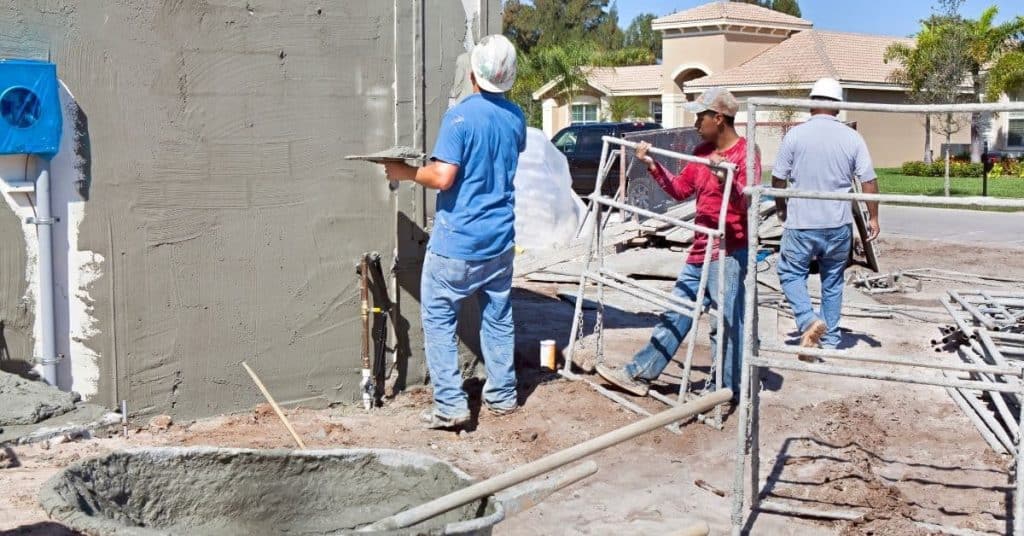
Introduction Find the right stucco mix for patching by balancing sand, lime, and cement to match your repair. This guide explains practical ratios, how to adjust for climate and substrate, and the key steps to mix, test, and apply patch material. By the end, you’ll be able to choose a mix that matches existing plaster

How to Find the Right Stucco Mix for Patching: Sand, Lime, and Cement Ratios Read More »

Venetian Plaster Maintenance Cleaning and Resealing

Venetian Plaster Maintenance: Cleaning and Resealing

Introduction Enetian plaster maintenance focuses on cleaning and resealing to protect and refresh the finish. You’ll learn practical steps for safe cleaning, how to select appropriate sealants, and the maintenance routine that keeps the plaster looking its best. The guide walks through common challenges and real-world tips you can apply to keep walls durable and

Venetian Plaster Maintenance: Cleaning and Resealing Read More »

Case Study: Rescuing a Failed Skim with Re-Prime and Re-Skim

Case Study: Rescuing a Failed Skim with Re-Prime and Re-Skim

Introduction Rescuing a failed skim means re-priming the material and then re-skimming to regain quick, accurate understanding. The guide walks through practical steps you can apply to re-prime tricky sections, re-skim for gaps, and validate key takeaways. You’ll learn how to implement clear checks, adjust your reading approach, and use simple rules of thumb to

Case Study: Rescuing a Failed Skim with Re-Prime and Re-Skim Read More »

The Myth About Concrete Curing That’s Ruining Your Driveway

The Myth About Concrete Curing That’s Ruining Your Driveway

Introduction The common belief that complex, lengthy curing methods are essential for concrete is a myth that can ruin your driveway by causing cracking and surface damage. You’ll learn what genuine curing needs look like, why some practices backfire, and practical steps you can apply—timing, weather considerations, and simple rules of thumb to ensure durable,

The Myth About Concrete Curing That’s Ruining Your Driveway Read More »

Efflorescence: the Silent Warning Sign Your Concrete Basement Needs Attention

Efflorescence: the Silent Warning Sign Your Concrete Basement Needs Attention

Introduction Efflorescence is a silent warning sign that your concrete basement needs attention. This article explains why it matters and what it signals about moisture, and it will guide you through practical steps to identify the source and begin addressing it. You’ll learn how to spot signs, assess moisture risk, and apply simple, effective strategies

Efflorescence: the Silent Warning Sign Your Concrete Basement Needs Attention Read More »

How Improper Stucco Paint Can Trap Moisture—and What to Use Instead

How Improper Stucco Paint Can Trap Moisture—and What to Use Instead

Introduction Improperly painted stucco traps moisture and can cause damage. In this guide you’ll learn why moisture gets trapped, how it harms the wall system, and practical steps for choosing and applying better, breathable finishes. Back to top ↑ Key takeaways Choose breathable paints labeled for masonry to prevent moisture entrapment. Avoid glossy finishes; matte

How Improper Stucco Paint Can Trap Moisture—and What to Use Instead Read More »

Why Weirdly Shaped Concrete Slabs Crack More—and How to Fix Them at Home

Why Weirdly Shaped Concrete Slabs Crack More—and How to Fix Them at Home

Introduction Weirdly shaped concrete slabs crack more because irregular geometry concentrates stress at corners, edges, and transitions. In this guide you’ll learn practical steps to identify problem shapes, assess drainage and reinforcement needs, and perform at-home fixes to reduce cracking. Back to top ↑ Key takeaways Irregular slab shapes create tension paths that widen cracks

Why Weirdly Shaped Concrete Slabs Crack More—and How to Fix Them at Home Read More »

What You Didn’t Know About Flashing and Wrb Compatibility with Insulation

What You Didn’t Know About Flashing and WRB Compatibility with Insulation

Introduction Flashing must be compatible with insulation and WRB to keep walls dry and energy-efficient. You’ll learn why material compatibility matters for moisture control and air sealing, and how improper flashing can cause leaks. The guide walks through practical steps, tips, and rules of thumb for selecting flashing, coordinating with insulation, and checking for proper

What You Didn’t Know About Flashing and WRB Compatibility with Insulation Read More »