Search Results for: tar paper and sand concrete

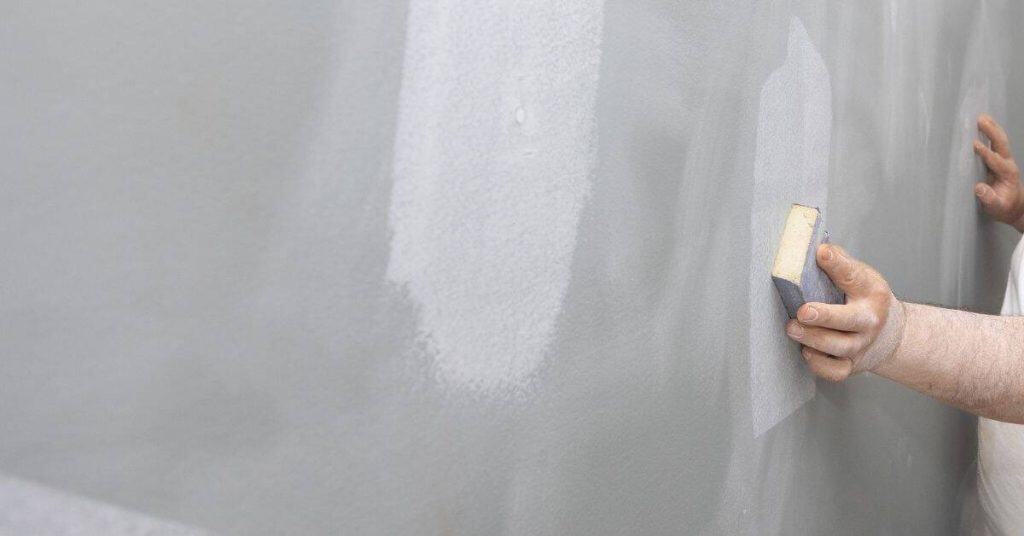
Hand sanding a plastered wall with sanding sponge

Sanding vs Polishing Plaster: Time-Consuming Steps & Duration Comparison

Introduction The time it takes to sand or polish plaster can vary greatly depending on the surface area, condition, and your chosen method. Before you start, understanding the timeline for each process will help you plan effectively. In this guide, we’ll compare the duration of sanding vs polishing plaster, breaking down each step’s time commitment […]

Sanding vs Polishing Plaster: Time-Consuming Steps & Duration Comparison Read More »

Rubber mallet on tile floor with level tool nearby

Lippage at Outside Corners: How to Plan and Cheat It so It Looks Intentional

Introduction Lippage at outside corners happens when tile edges don’t line up cleanly at the corner. This guide explains how to plan the layout and adjust the cut to make it look intentional. Think ahead by dry-fitting pieces, marking where you will cut, and adjusting your layout to hide small gaps. Check local guidelines and

Lippage at Outside Corners: How to Plan and Cheat It so It Looks Intentional Read More »

Hand holding grout float over tiled wall surface

Fixing Pinholes in Grout: Why They Happen and How to Repair Without Regrouting Everything

Introduction Pinhole grout gaps are tiny holes in the grout that can let moisture seep behind tiles. They happen when the grout didn’t seal properly, or when movement, wear, or improper mixing weakened it. They’re most noticeable in areas that get routine use or wetting, and they can spread if left unaddressed. You can fix

Fixing Pinholes in Grout: Why They Happen and How to Repair Without Regrouting Everything Read More »

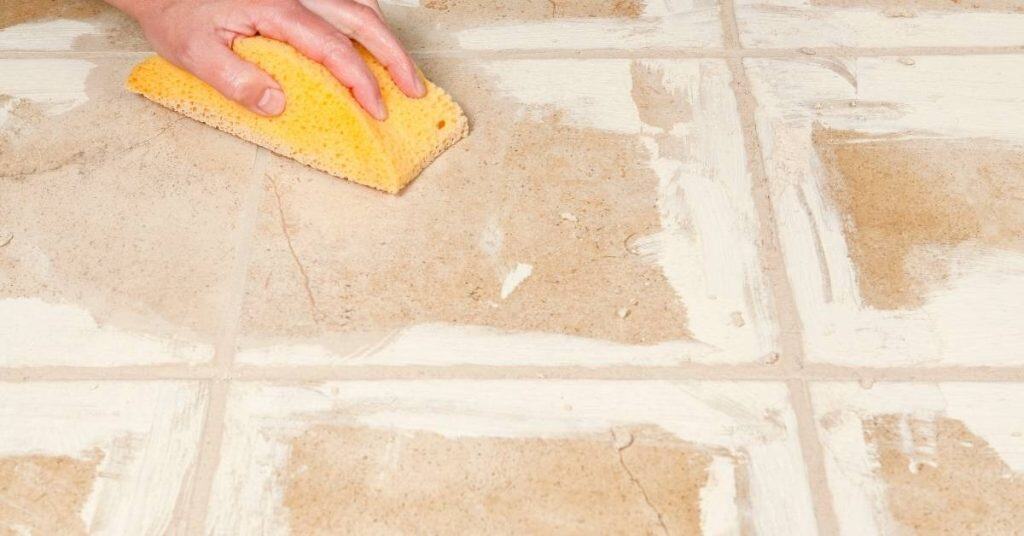
Hand applying white grout to ceramic tiles with a grout float

Tile over Tile: When It’s Acceptable and the Surface Prep That Makes It Work

Introduction Tile over tile is acceptable when the existing tile surface is sound, clean, and properly stabilized. If the current tile is loose or cracked, or the surface is delaminating, you’ll want to address that first. This article walks you through what to check and why, in plain DIY language. First, inspect the substrate for

Tile over Tile: When It’s Acceptable and the Surface Prep That Makes It Work Read More »

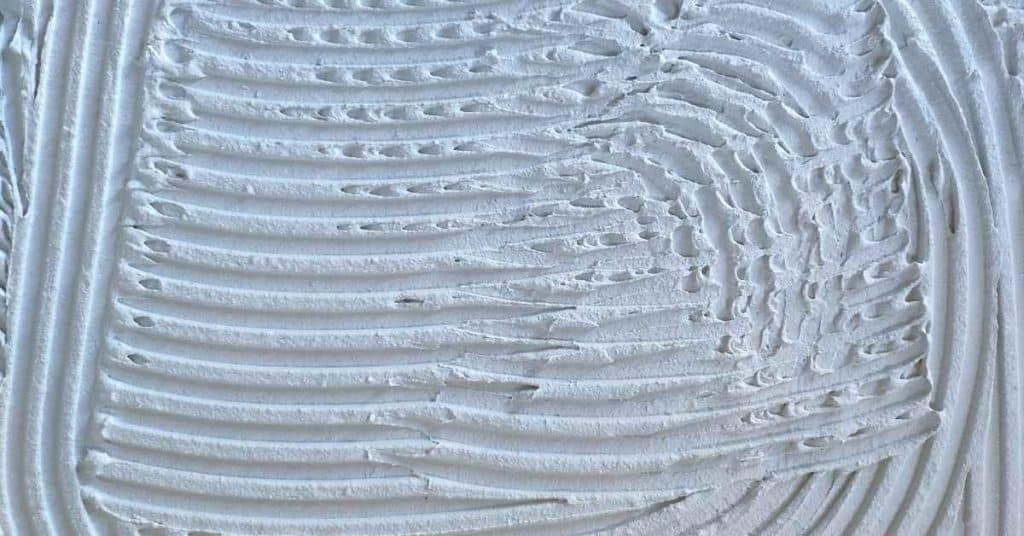
Close-up of white tile adhesive with combed lines

Setting Mosaic Sheets Straight: How to Hide Sheet Lines and Avoid “Snake” Rows

Introduction Setting mosaic sheets straight means aligning the sheets so the grout lines stay in straight, even rows and the sheet edges blend with the pattern. You’ll want a straight edge, a notched trowel, spacers, and a level, plus a method to back-butter where needed. Always check the adhesive label and tile sheet instructions for

Setting Mosaic Sheets Straight: How to Hide Sheet Lines and Avoid “Snake” Rows Read More »

Stucco Color Coat Repairs: Why They Fail and How to Avoid Weak “Skim” Patches

Stucco Color Coat Repairs: Why They Fail and How to Avoid Weak “Skim” Patches

Introduction A Stucco Color Coat Repair is fixing the top stucco layer to seal cracks and restore the surface. This kind of patch relies on proper surface prep, compatible material, and a smooth skim to blend with the surrounding wall. If the skim is weak, patches can crack, delaminate, or look obvious. You’ll need basic

Stucco Color Coat Repairs: Why They Fail and How to Avoid Weak “Skim” Patches Read More »

Repairing Rusted Corner Bead: How to Cut Back and Rebuild Without Chasing Cracks Forever

Repairing Rusted Corner Bead: How to Cut Back and Rebuild Without Chasing Cracks Forever

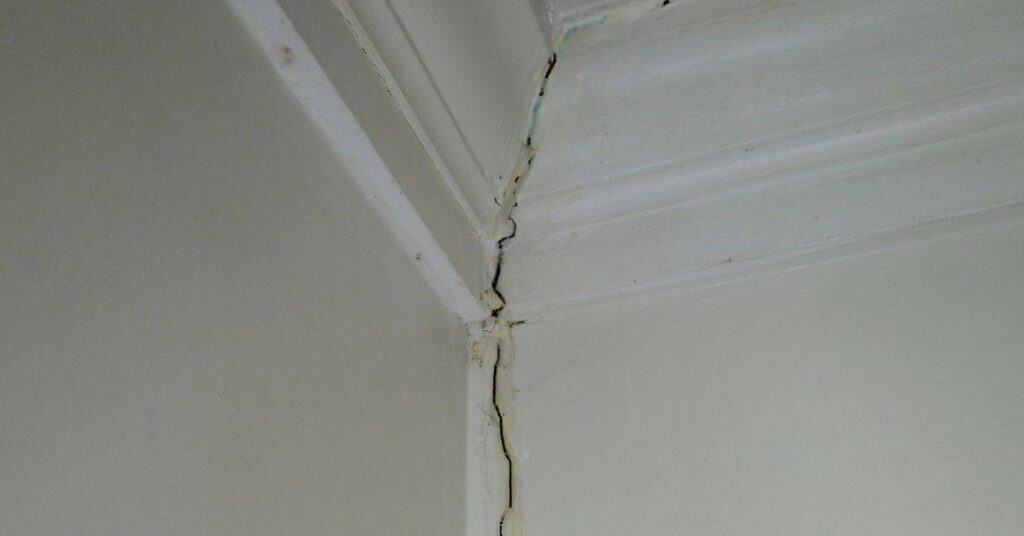
Introduction Rusted corner bead damage is when the metal trim at the wall corner has corroded and risks cracking the drywall. You’ll see rust stains, flaky edge metal, or bent corners that don’t sit square. This article walks you through a practical, hands-on repair plan. First, identify the damaged metal and assess if the drywall

Repairing Rusted Corner Bead: How to Cut Back and Rebuild Without Chasing Cracks Forever Read More »

Brown Coat Leveling: Using Straightedges and “rods” to Get Walls Flatter

Brown Coat Leveling: Using Straightedges and “Rods” to Get Walls Flatter

Introduction Brown Coat Leveling means using straightedges and simple rods to bring wall coatings to a flat, level surface. This article explains what to look for when checking flatness, and walks you through practical steps, tips, and general rules of thumb for achieving smoother walls. The guide focuses on practical, no-fuss techniques you can adapt

Brown Coat Leveling: Using Straightedges and “Rods” to Get Walls Flatter Read More »