Search Results for: tar paper and sand concrete

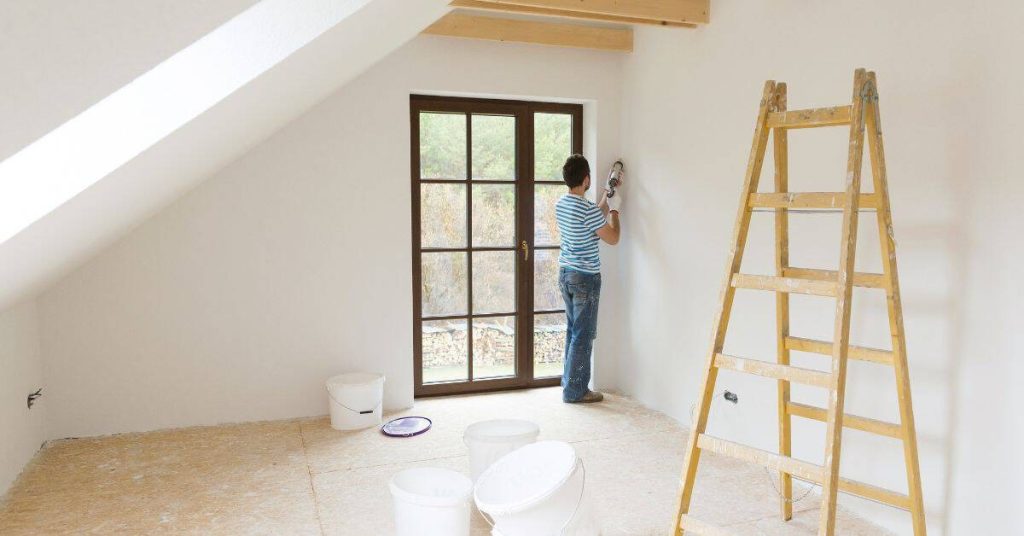
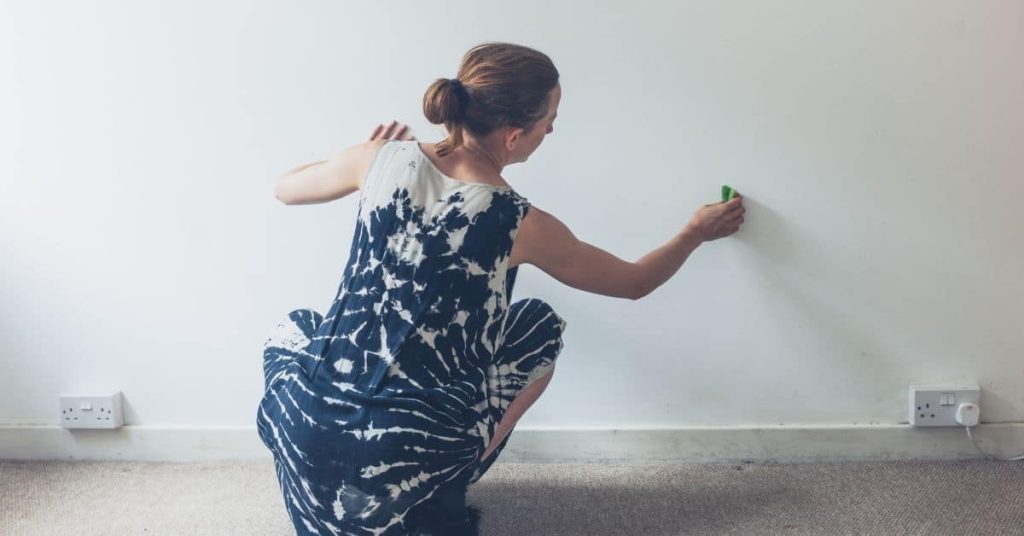
Person sanding white interior wall near window with ladder nearby

Removing Wax and Polish Residue: Prep steps before repainting

Introduction Removing wax and polish residue is the process of cleaning films left on surfaces so paint will stick. This prep step targets slick layers that interfere with adhesion before you sand, prime, or repaint. If you’re unsure, check the cleaner’s label or the manufacturer’s guidance for safe use and disposal. Begin with a gentle

Removing Wax and Polish Residue: Prep steps before repainting Read More »

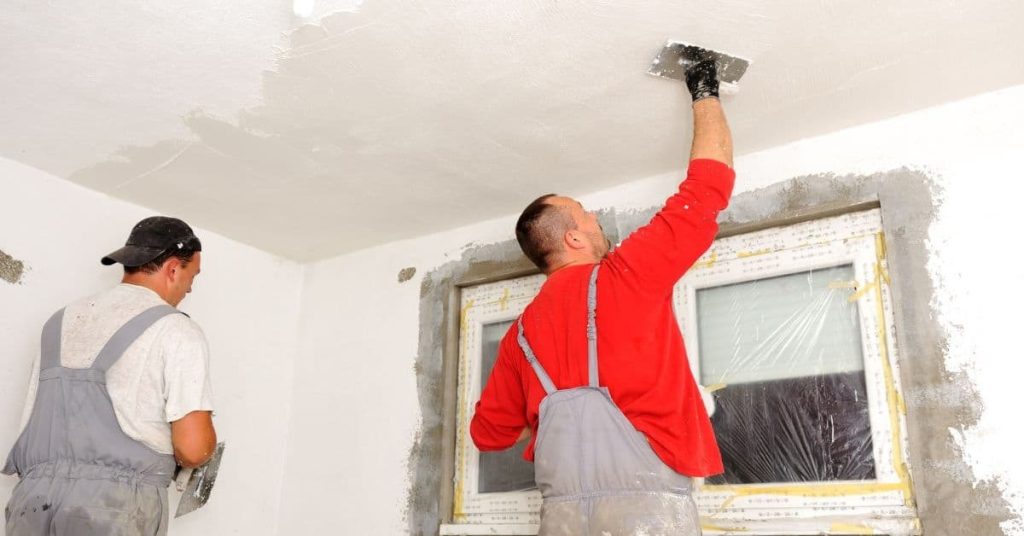
Two men applying plaster to a ceiling and wall near a window

Stopping Water Stain Bleed: Fixing the cause and sealing the ceiling

Introduction Stopping water stain bleed means fixing the moisture source and sealing the ceiling so stains don’t reappear. It’s a hands-on job that starts with finding where the water is coming from and drying the area thoroughly. Then you seal the surface to block any future bleed-through. You’ll see practical tips for locating the leak,

Stopping Water Stain Bleed: Fixing the cause and sealing the ceiling Read More »

White acoustic drop ceiling tiles with metal grid

Soundproofing a Basement Ceiling: Decoupling, Insulation, and Realistic Results

Introduction Soundproofing a basement ceiling means reducing the amount of noise that travels between floors by decoupling the ceiling structure, adding insulation, and sealing gaps. You’ll be balancing ease of install with effectiveness, knowing that real results come from proper detailing beyond just tossing in materials. This article walks you through a practical DIY approach

Soundproofing a Basement Ceiling: Decoupling, Insulation, and Realistic Results Read More »

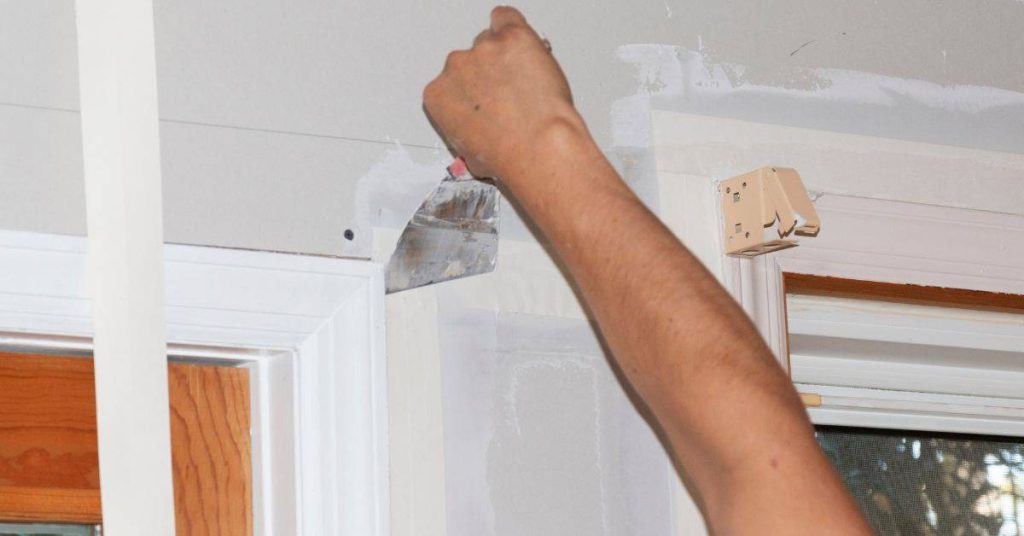
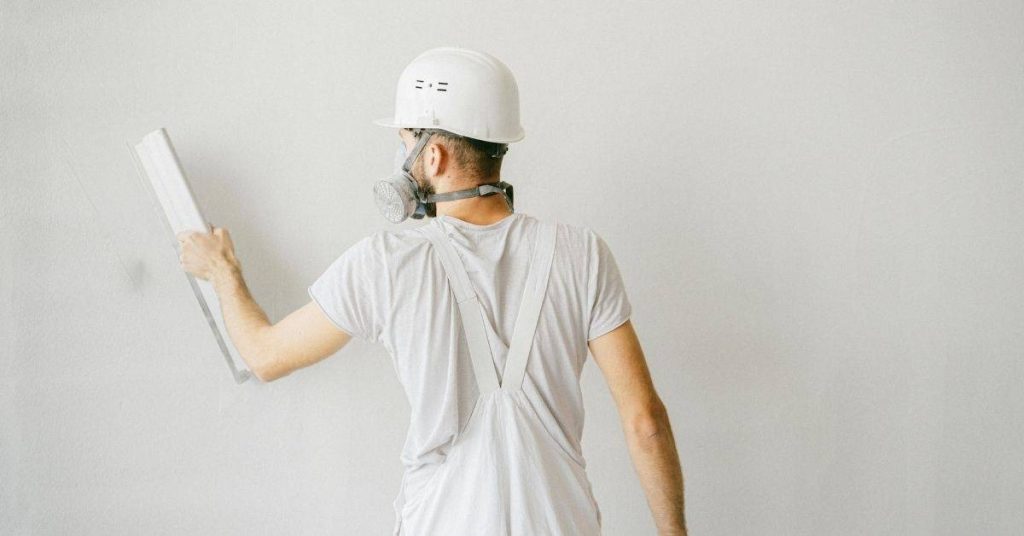
Worker smoothing plaster on drywall wearing safety helmet and mask

Gaps Between Trim and Wall: Fixing Wavy Drywall Without Replacing Trim

Introduction Gaps between trim and wall are gaps where the trim edge doesn’t sit tight against flat drywall. They happen when the drywall isn’t perfectly flush or the trim was fastened before the wall settled. You’ll see them most where corners and edges meet the wall surface. You can fix it without removing the trim

Gaps Between Trim and Wall: Fixing Wavy Drywall Without Replacing Trim Read More »