Search Results for: surface prep

Weep Screed Retrofits: What You Can Do When One Was Never Installed

Weep Screed Retrofits: What You Can Do When One Was Never Installed

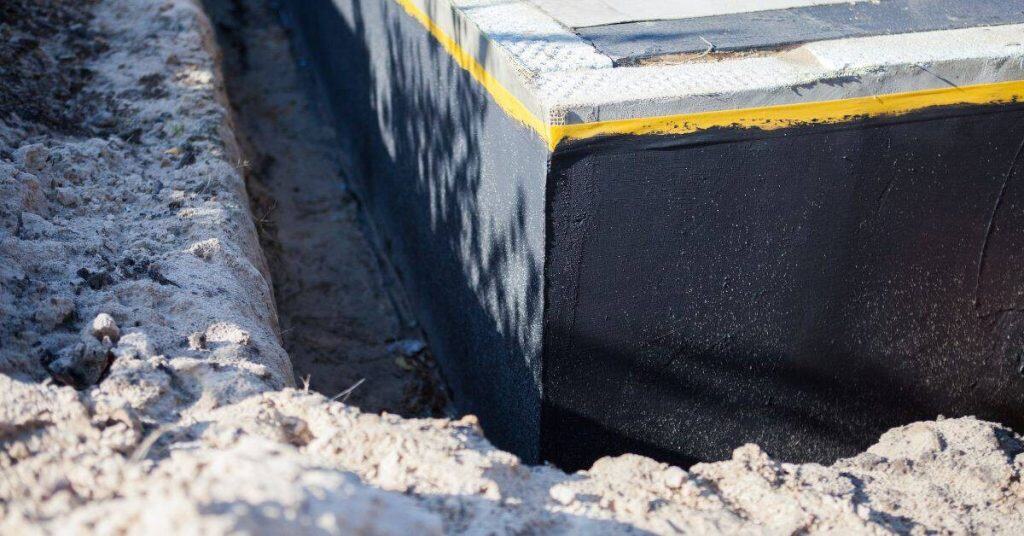
Introduction A weep screed retrofit can protect your foundation and moisture management even if one was never installed. You’ll learn how to assess your walls, choose a retrofit approach, and apply practical steps and tips to improve drainage and siding performance. Key takeaways Verify exterior walls lack a weep screed before planning retrofit scope. Obtain […]

Weep Screed Retrofits: What You Can Do When One Was Never Installed Read More »
Lath Termination at Dissimilar Materials: Stucco-to-Wood

Lath Termination at Dissimilar Materials: Stucco-to-Wood

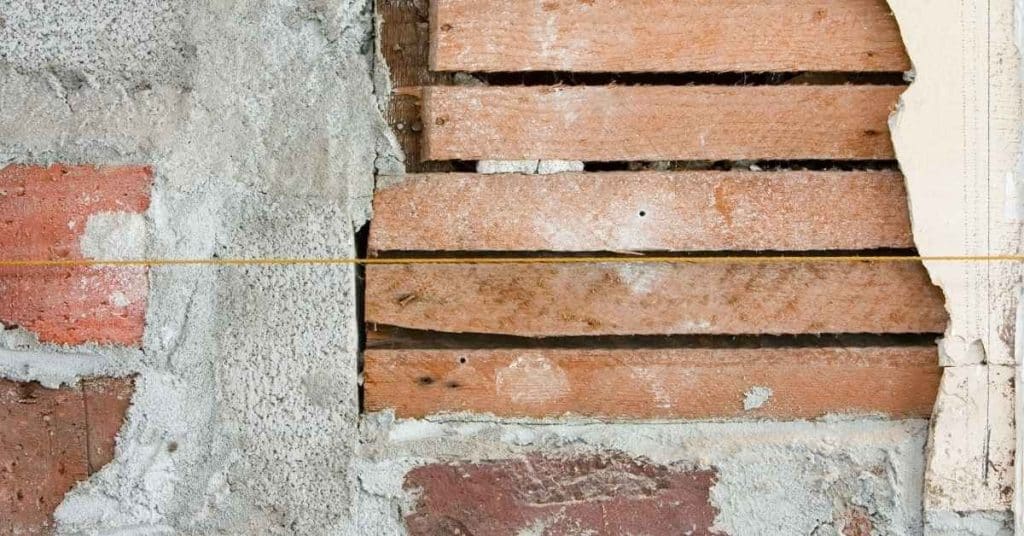
Introduction Proper lath termination at stucco-to-wood interfaces prevents water intrusion and related damage. This matters because stucco and wood respond differently to moisture and movement, so detailing must accommodate expansion, contraction, and flashing. You will learn how to detail flashing, choose compatible sealants and fasteners, and apply practical steps to create a durable, energy-efficient transition.

Lath Termination at Dissimilar Materials: Stucco-to-Wood Read More »

Outside Corners: When Corner Bead Fails and How to Rebuild the Corner Straight

Introduction Outside corners should be rebuilt straight when the corner bead fails. The article explains the practical steps to assess damage, remove the damaged bead, reestablish a true corner, and reapply mud and new bead so you end up with a clean, durable edge. Key takeaways Inspect for hairline cracks and rust, replace damaged corner

Outside Corners: When Corner Bead Fails and How to Rebuild the Corner Straight Read More »

Blending New Plaster into Old: Feathering Edges so the Patch Disappears

Blending New Plaster into Old: Feathering Edges so the Patch Disappears

Introduction Feathering edges when blending new plaster into old makes the patch disappear. You’ll learn how to feather edges for a seamless transition, what materials and techniques work best, and practical tips for matching texture and color so repairs look like part of the wall. Key takeaways Assess patch area, feathering only when old plaster

Blending New Plaster into Old: Feathering Edges so the Patch Disappears Read More »

Fixing Bulged Plaster: How to Flatten or Decide to Replace the Section

Fixing Bulged Plaster: How to Flatten or Decide to Replace the Section

Introduction To fix bulged plaster, you can flatten the bulge or replace the affected section if the damage is severe. The guide walks through practical steps to assess the damage, choose between patching or replacing, and apply safe, durable techniques you can use in your own space. Key takeaways Identify bulged plaster early to prevent

Fixing Bulged Plaster: How to Flatten or Decide to Replace the Section Read More »

Trowel Notch Size Selection: Choosing 1/4″ 1/2″ Based on Tile and Flatness

Trowel Notch Size Selection: A Step-by-Step Timeline for Tile Installation

Introduction The timeline of your tile installation project is crucial to ensure a successful and durable finish. Understanding how long each step takes, from preparation to grouting, helps you plan effectively and avoid common mistakes. In this guide, we’ll walk you through the process of selecting the right trowel notch size based on tile and

Trowel Notch Size Selection: A Step-by-Step Timeline for Tile Installation Read More »

Ledger Board Setup for Wall Tile: Keeping the First Row Perfect Without Damaging Waterproofing

Ledger Board Setup for Wall Tile: Keeping the First Row Perfect Without Damaging Waterproofing

Introduction A ledger board setup helps keep the first row of wall tile perfectly aligned without damaging waterproofing. You’ll learn the key steps for locating, leveling, and securing the ledger so the first row stays true and the waterproof membrane remains intact. The guide walks through practical tips, common mistakes to avoid, and how to

Ledger Board Setup for Wall Tile: Keeping the First Row Perfect Without Damaging Waterproofing Read More »

Compaction Basics: How to Tell If Your Base Is Tight Enough Without a Lab Test

Compaction Basics: How to Tell If Your Base Is Tight Enough Without a Lab Test

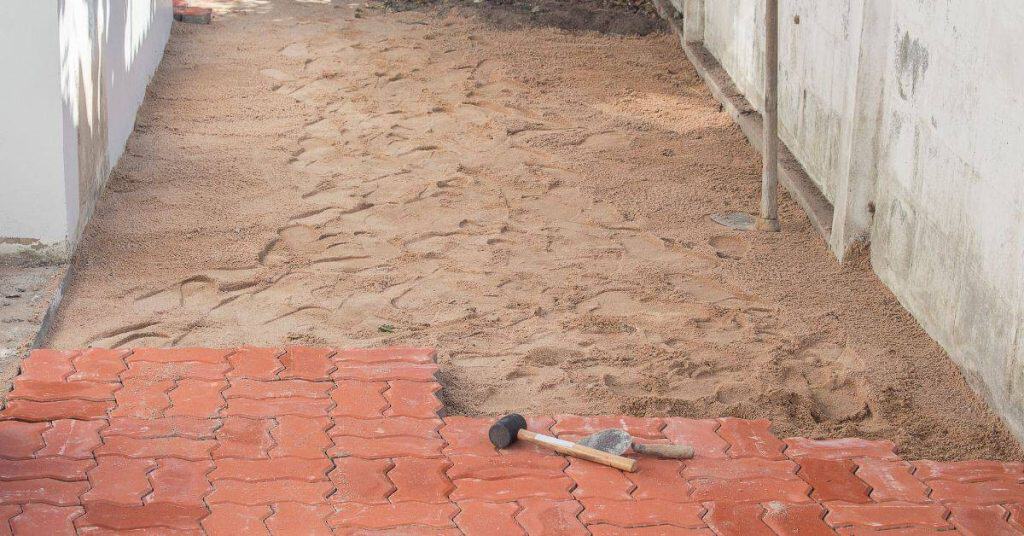
Introduction You can tell if your base is tight enough without a lab test by using simple on-site checks and observable indicators. This article explains practical signs, how to perform quick field checks, and the kinds of results that indicate adequate compaction so you can proceed with confidence. Key takeaways Field checks gauge compaction level

Compaction Basics: How to Tell If Your Base Is Tight Enough Without a Lab Test Read More »