Search Results for: surface prep

Adding Fibers to Bag Mix: When It Helps and When It’s a Waste

Adding Fibers to Bag Mix: When It Helps and When It’s a Waste

Introduction Adding fibers to bag mix can improve performance, but not every batch benefits. The guide explains when fibers are advantageous, when they’re wasteful, and how to decide on dosages and test results. You’ll learn practical tips on evaluating mix workability, strength, and cost in real-world projects. Key takeaways Use fibers to reduce shrinkage cracks […]

Adding Fibers to Bag Mix: When It Helps and When It’s a Waste Read More »
Concrete Hot Weather Placement: Shade and When to Stop for the Day

Concrete Hot Weather Placement: Shade and When to Stop for the Day

Introduction Shade and careful scheduling are essential for safe concrete placement in hot weather, and knowing when to stop helps prevent curing issues. You’ll learn practical steps for using shade, adjusting pour timing, and monitoring conditions to decide when to pause for the day. The guide walks through tips, rules of thumb, and real‑world considerations

Concrete Hot Weather Placement: Shade and When to Stop for the Day Read More »

Wind Management on Fresh Concrete: Simple Wind Breaks That Reduce Plastic Shrink Cracks

Wind Breaks for Fresh Concrete: Placement, Anchoring, and Timing

Introduction A temporary wind break can reduce the wind speed at a fresh concrete surface, giving you more time to finish and begin curing before rapid moisture loss causes plastic shrinkage cracks. It is one control in a moisture-loss plan—not a substitute for correct finishing and curing. Related guidance: Plastic Shrinkage Cracks: Wind, Sun, and

Wind Breaks for Fresh Concrete: Placement, Anchoring, and Timing Read More »

Edger Tool Technique: Getting a Uniform Radius Without Dragging Aggregate

Edger Tool Technique: Getting a Uniform Radius Without Dragging Aggregate

Introduction You can achieve a uniform radius with an edger tool without dragging aggregate. The guide walks through practical steps, tips, and rules of thumb to help you reproduce a smooth, consistent edge. Key takeaways Define uniform radius as consistent curve at edge while avoiding aggregate drag. Select edging tools with smooth lips and non-marking

Edger Tool Technique: Getting a Uniform Radius Without Dragging Aggregate Read More »

How Long Does Paint Last (tools, Timing, and Clean-Up)

How Long Does Paint Last (tools, Timing, and Clean-Up)

Introduction Paint lasts for varying durations depending on product type, surface, and environment. Key takeaways Label unopened cans with date and type for quick shelf checks. Store mixed paint airtight in original container or sealed tray lid. Keep paint away from heat, sunlight, and temperature swings above 70F. Test old paint by brushing small sample;

How Long Does Paint Last (tools, Timing, and Clean-Up) Read More »

How to Remove Paint from Carpet: DIY Guide, Tools, and Common Mistakes

How to Remove Paint from Carpet: DIY Guide, Tools, and Common Mistakes

Introduction You can remove paint from carpet using practical, proven methods that minimize damage. The guide walks you through steps, tips, and common mistakes so you know what to try and what to avoid, and you’ll learn how to choose the right approach for different paint types. Key takeaways Assess paint type before treating; water-based

How to Remove Paint from Carpet: DIY Guide, Tools, and Common Mistakes Read More »

Preventing Moisture Problems: Simple Fixes That Stop Mold and Rot

Preventing Moisture Problems: Simple Fixes That Stop Mold and Rot

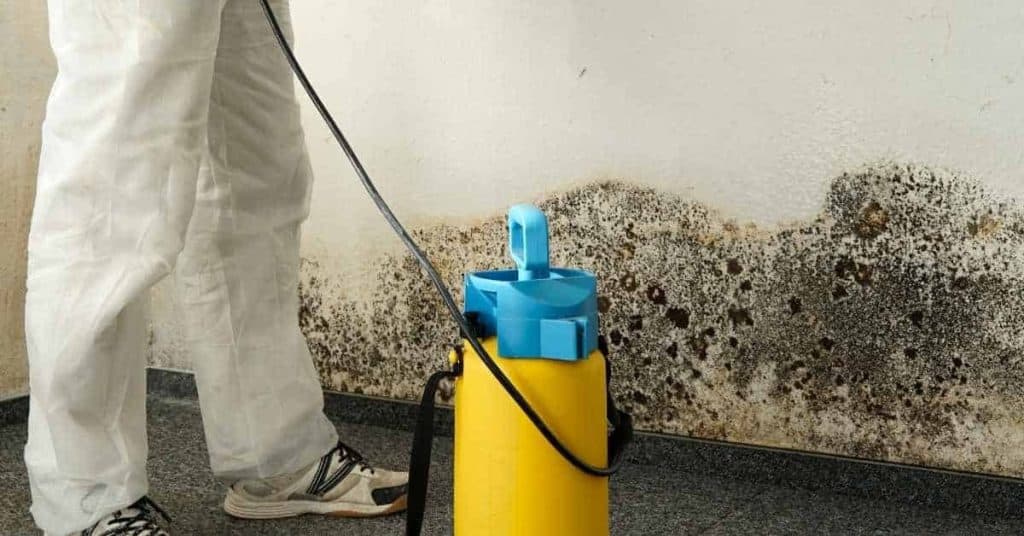
Introduction Preventing moisture problems stops mold and rot by tackling humidity, leaks, and ventilation. You’ll learn practical steps, tips, and simple rules of thumb to identify moisture sources, fix common issues, and keep spaces dry. Key takeaways Control indoor humidity to below 60 percent during peak seasons. Fix roof leaks and gutter clogs promptly to

Preventing Moisture Problems: Simple Fixes That Stop Mold and Rot Read More »

What to Do with Old Paint: Store, Donate, Recycle, or Dispose Safely

What to Do with Old Paint: Store, Donate, Recycle, or Dispose Safely

Introduction Handle old paint by storing it properly, donating usable cans, recycling where allowed, or disposing of the rest safely. You’ll learn how to evaluate what you have, decide between storage, donation, recycling, and disposal, and follow practical steps and tips to do the job safely and responsibly. Key takeaways Decide quickly whether to keep,

What to Do with Old Paint: Store, Donate, Recycle, or Dispose Safely Read More »