Search Results for: surface prep

Person pressure washing concrete patio with hose nozzle

Uneven Concrete Color After Washing: How to Reset Without Making It Worse

Introduction Uneven color after washing means the surface shows inconsistent shade because cleaning or water exposure altered the finish. This happens when residue, detergents, or the top seal interact with the concrete and leave lighter or darker patches. The fix is practical and requires careful, in-place steps rather than a big overhaul. Start with a […]

Uneven Concrete Color After Washing: How to Reset Without Making It Worse Read More »

Tool smoothing control joint in wet concrete slab

Control Joint Spacing: Practical Layout Rules That Reduce Random Cracks

Introduction Control joints are planned cuts in concrete to control where cracks will form. Timing matters for saw cutting; cut while the concrete has cured enough to groove, but before random cracking starts. Plan spacing and layout based on the panel sizes you’re using and how the slab will be loaded throughout its life. Strategic

Control Joint Spacing: Practical Layout Rules That Reduce Random Cracks Read More »

Rows of concrete blocks stacked on curing racks indoors

Curing Plastic Marks on Concrete: How to Avoid Blotches and Patterns

Introduction Plastic marks on cured concrete are blotches and patterns left by plastic sheets or forms during curing. They form when moisture is trapped or imprints are picked up as the surface dries. To avoid them, plan your curing approach before you pour and keep the surface free of wrinkles or tacky plastics. Preventive measures

Curing Plastic Marks on Concrete: How to Avoid Blotches and Patterns Read More »

Vintage clawfoot bathtub in white bathroom with tiled floor

Concrete Shrinkage Cracks Explained: Shrinkage, Settlement, and When to Worry

Introduction Shrinkage cracks are small splits in concrete that form as it dries and hardens. They often show up after pouring or settling, and they can run across slabs or near edges. Being aware of where they appear helps you decide if they’re a normal finish or a sign to watch closely. Identifying them means

Concrete Shrinkage Cracks Explained: Shrinkage, Settlement, and When to Worry Read More »

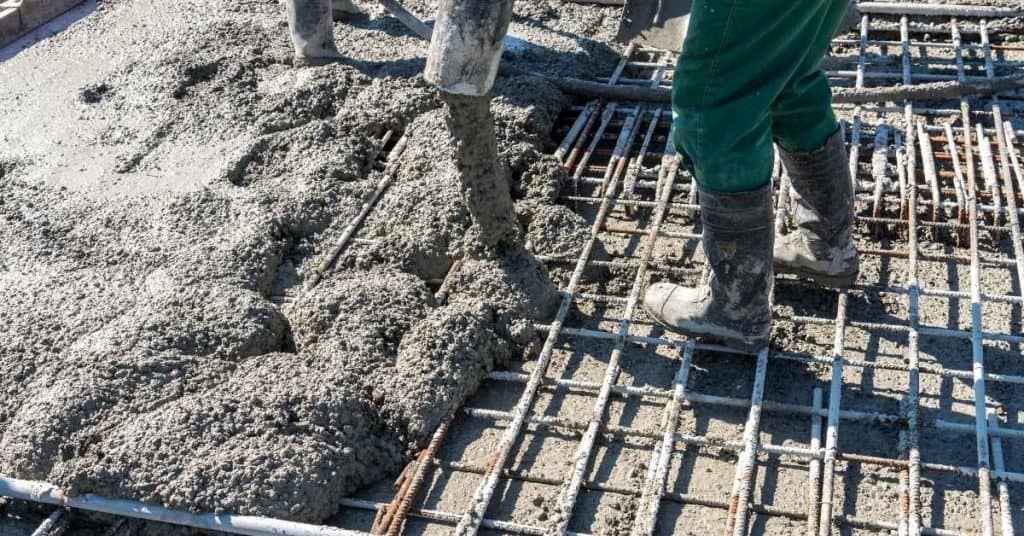
Workers pouring wet concrete over steel rebar grid

Concrete Rebar Shadowing: Why Lines Appear and What You Can Do

Introduction Concrete rebar shadowing is when the lines of embedded steel rebar show up as darker or lighter lines on the surface after curing. This happens as moisture, temperature, and the metal interact during the cure, with the surface sometimes mirroring the rebar pattern. Differences in finishing between forms or around the rebar can further

Concrete Rebar Shadowing: Why Lines Appear and What You Can Do Read More »

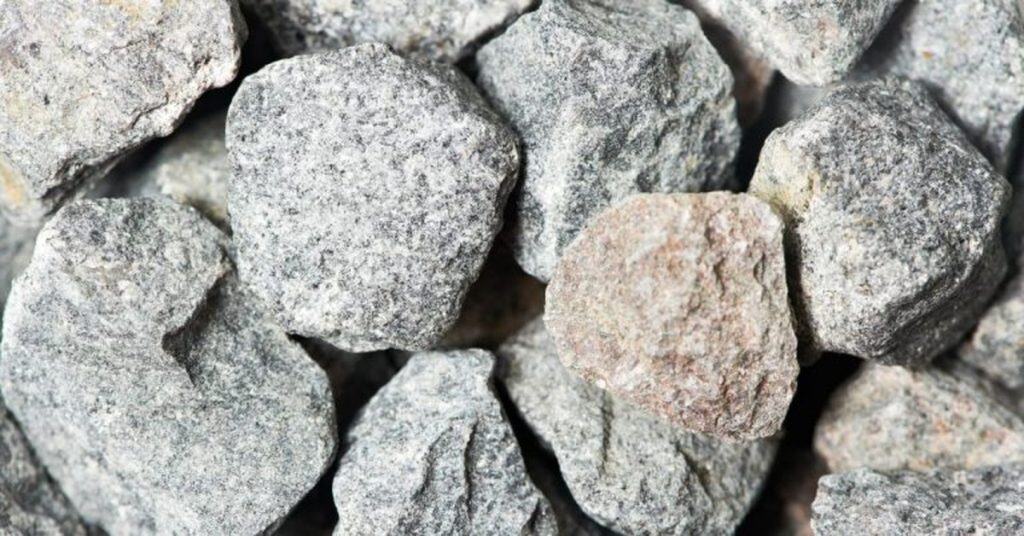
Closeup of crushed concrete aggregate stones

Concrete Popouts: Why Small Cones Blow Out and How to Repair Them

Introduction An isolated concrete popout is usually a cosmetic surface defect only after you remove loose material and confirm that the surrounding concrete is sound and the defect is not related to steel, cracking, a joint, or delamination. Do not patch a cavity associated with exposed steel, active cracking, a moving joint, hollow concrete beyond

Concrete Popouts: Why Small Cones Blow Out and How to Repair Them Read More »

Person spraying black paint on concrete pillar outdoors

Concrete Grinding Dust Control: Shrouds, Vacuums, and Cleanup Workflow

Introduction Concrete grinding dust control is the setup of shrouds and vacuums to keep dust from spreading. Use a shroud around the grinder and connect a vacuum with proper seals and hoses to capture dust at the source. Always follow the grinder and vacuum maker’s instructions for connections and filters. A clean cleanup workflow matters

Concrete Grinding Dust Control: Shrouds, Vacuums, and Cleanup Workflow Read More »

Concrete beams with exposed rebar at construction site

Concrete ASR: Signs, Confirmation, and Next Steps

Introduction Alkali-silica reaction (ASR) is a concrete deterioration mechanism that can cause expansion and cracking. Map cracking, damp areas, deposits, or spalling can justify concern, but none of them confirms ASR on its own. Confirmation requires a field investigation combined with appropriate laboratory work, commonly including petrographic examination of concrete cores. Do not treat suspected

Concrete ASR: Signs, Confirmation, and Next Steps Read More »