Search Results for: surface prep

Worker measuring drywall with tape measure on wall

Drywall Fasteners Over Steel Studs: Screw Types, Spacing, and Stripping Avoidance

Introduction Drywall fasteners over steel studs are screws used to attach drywall to metal framing. They’re the fasteners you drive with a screwdriver or drill to secure gypsum to metal studs. Follow the screw manufacturer instructions and local rules for type and installation, and check the packaging label for compatibility with steel studs. To avoid […]

Drywall Fasteners Over Steel Studs: Screw Types, Spacing, and Stripping Avoidance Read More »

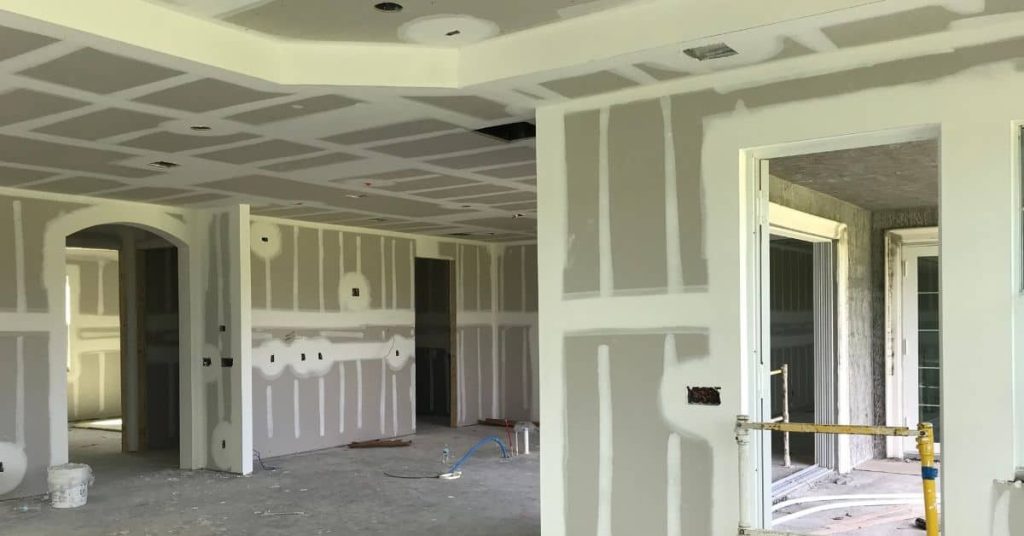
Drywall panels with taped and mudded joints in unfinished room

How to Repair a Damaged Drywall Vapor Barrier/Poly Behind the Wall (When It Matters)

Introduction Repairing a damaged drywall vapor barrier behind the wall means fixing the moisture barrier layer in the wall cavity to control condensation and potential mold. This is a hands-on job you can do with basic tools, but you need to confirm the barrier’s location and condition. Check the wall area for moisture signs and

How to Repair a Damaged Drywall Vapor Barrier/Poly Behind the Wall (When It Matters) Read More »

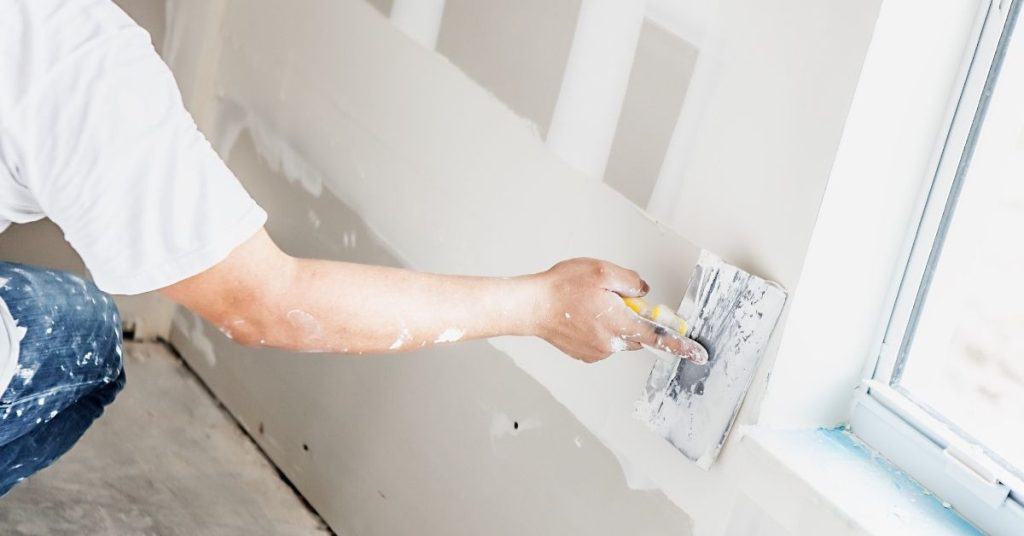
Worker applying drywall mud with a trowel on wall

Creating a Perfect Shadowline Reveal at Drywall-to-Ceiling Transitions (Modern Detail)

Introduction A shadowline reveal is a small, clean gap between drywall and the ceiling that creates a floating edge. It’s a hands-on detail that hides joint lines while catching light. Think of it as a deliberate, precise trim that reads as modern and tidy. To pull it off, you’ll plan the edge, keep a consistent

Creating a Perfect Shadowline Reveal at Drywall-to-Ceiling Transitions (Modern Detail) Read More »

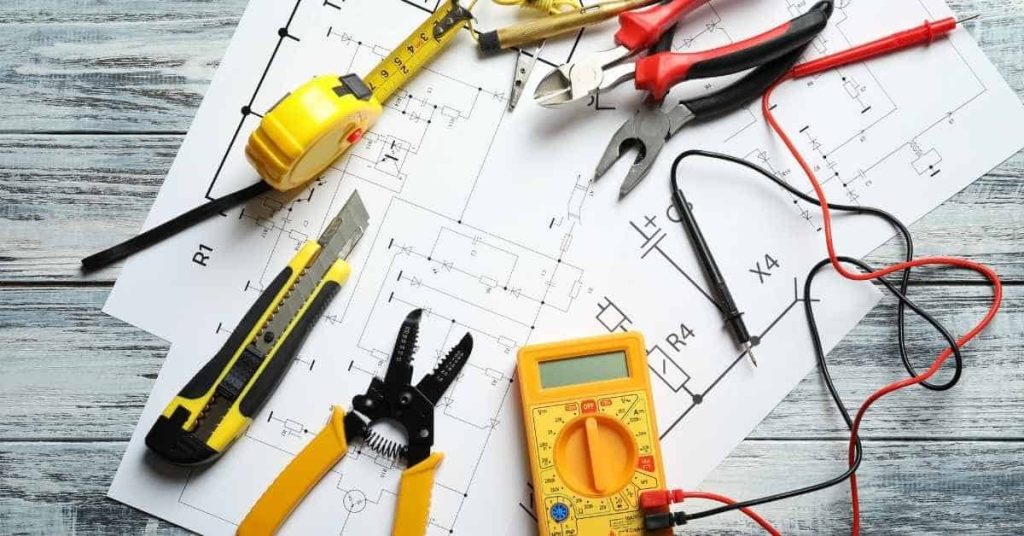
Electrical tools on top of blueprint diagrams on wooden surface

Electrical Box Extenders and Drywall Thickness: Getting Device Flush Without Cracked Mud Rings

Introduction Electrical box extenders adjust the depth of a box so the device sits flush with drywall. Key takeaways Match drywall thickness with extender depth to keep devices flush. Measure drywall and box depth accurately before selecting any extender. Choose extender type by box style, mud thickness, and finish height. Follow manufacturer instructions and local

Electrical Box Extenders and Drywall Thickness: Getting Device Flush Without Cracked Mud Rings Read More »

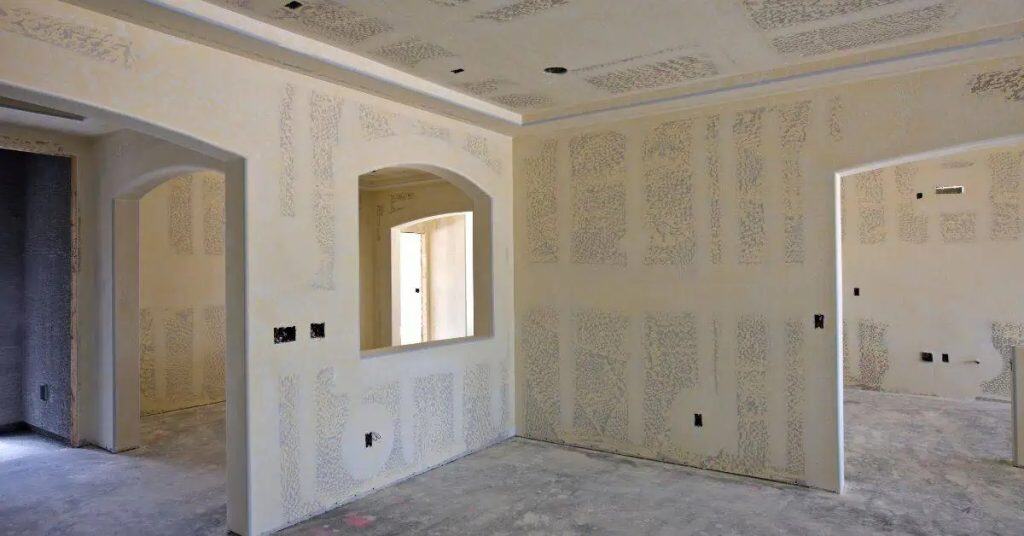
Drywall panels with taped and mudded seams in unfinished room

Drywall Repair After Wallpaper Removal: Fixing Torn Paper Without Bubbles

Introduction Drywall repair after wallpaper removal means fixing the torn or peeled gypsum board surface so it sits flat and ready for paint. You’ll likely need to patch the torn areas, skim the joints, and feather the edges so the wall looks seamless. This is a hands-on job you can do without specialized tools beyond

Drywall Repair After Wallpaper Removal: Fixing Torn Paper Without Bubbles Read More »

Interior room with drywall patches and joint compound

How to Patch Drywall After Removing Tile Backsplash (Old Mastic, Tears, and Skim Strategy)

Introduction Patching drywall after removing a tile backsplash involves repairing damaged drywall, smoothing feathered seams, and re-skimming the surface so it’s ready to paint. You’ll want to address old mastic footprints, tears, and any ridges or gouges left behind. Check for water stains or loose paint and plan repairs accordingly before you proceed. Start by

How to Patch Drywall After Removing Tile Backsplash (Old Mastic, Tears, and Skim Strategy) Read More »

Person applying drywall joint compound near window

Drywall Around New Windows: How to Build Returns That Stay Straight and Crack-Free

Introduction Returns around a window are the built drywall edges that keep the opening straight and crack‑free. This article explains how to shape and install them in a DIY‑friendly way. You’ll get a straightforward, hands-on approach that doesn’t rely on theory. You’ll want to start by dry‑fitting the window reveal and deciding where the drywall

Drywall Around New Windows: How to Build Returns That Stay Straight and Crack-Free Read More »

Interior walls with unfinished drywall and visible joint compound

How to Finish Drywall Over OSB/Sheathing Interior Walls (Adhesion and Joint Strategy)

Introduction You can install drywall over OSB on the interior face of a wall, but treat it as drywall installed over framing, not as a finish that depends on OSB alone for screw holding or moisture control. For ordinary wood-framed work, locate the framing and fasten gypsum board through the OSB into studs, plates, blocking,

How to Finish Drywall Over OSB/Sheathing Interior Walls (Adhesion and Joint Strategy) Read More »

Drywall panels with taped and mudded joints in unfinished room

Drywall Butt Joint ‘Humps’: Prevention With Back-Blocking and Repair Options

Introduction A drywall butt joint hump is an uneven bump along a seam where two panels meet. It happens when compaction or framing flex creates a little bulge that catches the eye. This article covers how back-blocking and simple repair steps can keep seams flat. Back-blocking involves inserting solid material behind the joint to help

Drywall Butt Joint ‘Humps’: Prevention With Back-Blocking and Repair Options Read More »