Search Results for: surface prep

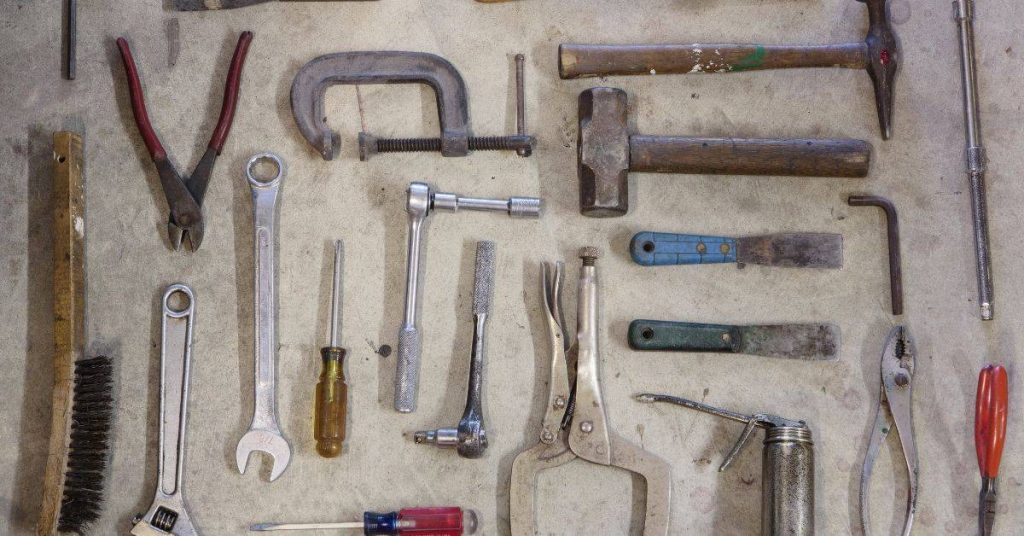
Various hand tools laid out on a concrete surface

Jobsite water control on concrete and masonry projects: hoses, sprayers, and ways to keep cleanup sane

Introduction Jobsite water control on concrete and masonry projects means managing hoses, sprayers, and cleanup to keep the work area clean and safe. Plan how you will rinse tools, wash down dust, and drain or divert water so it stays where you want it. Keep a simple setup in mind for when you pause work […]
Jobsite water control on concrete and masonry projects: hoses, sprayers, and ways to keep cleanup sane Read More »

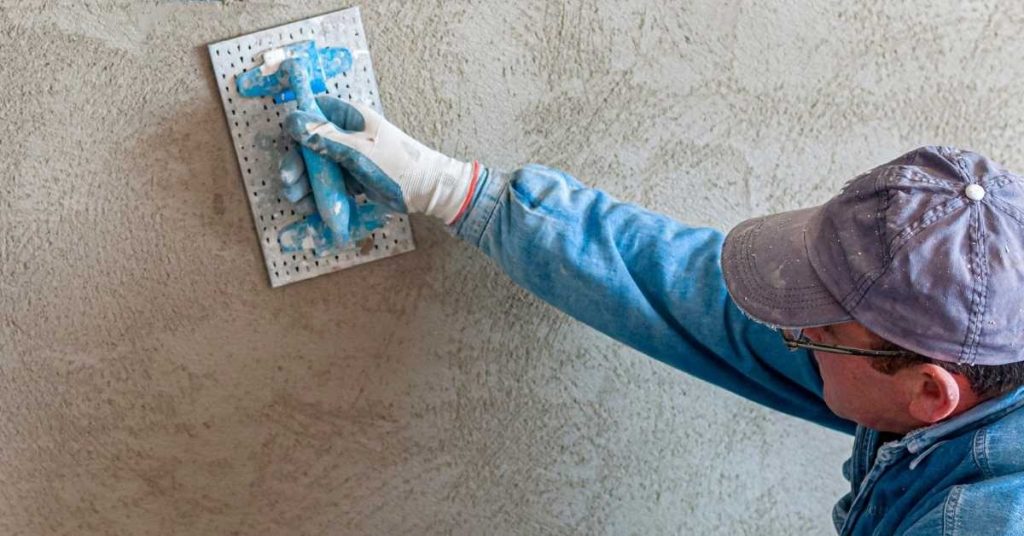
Worker smoothing stucco on wall with float tool

Scaffolding and pump jacks for stucco and masonry work: stability checks and plank setup basics

Introduction Scaffolding and pump jacks are temporary work platforms used to reach stucco or masonry work safely. They rely on stable frames, proper planking, and correct setup to support workers and tools. Check base stability, footing, and connections before starting any task. Stability checks include verifying level bases, secure braces, and guardrails, and inspecting for

Scaffolding and pump jacks for stucco and masonry work: stability checks and plank setup basics Read More »

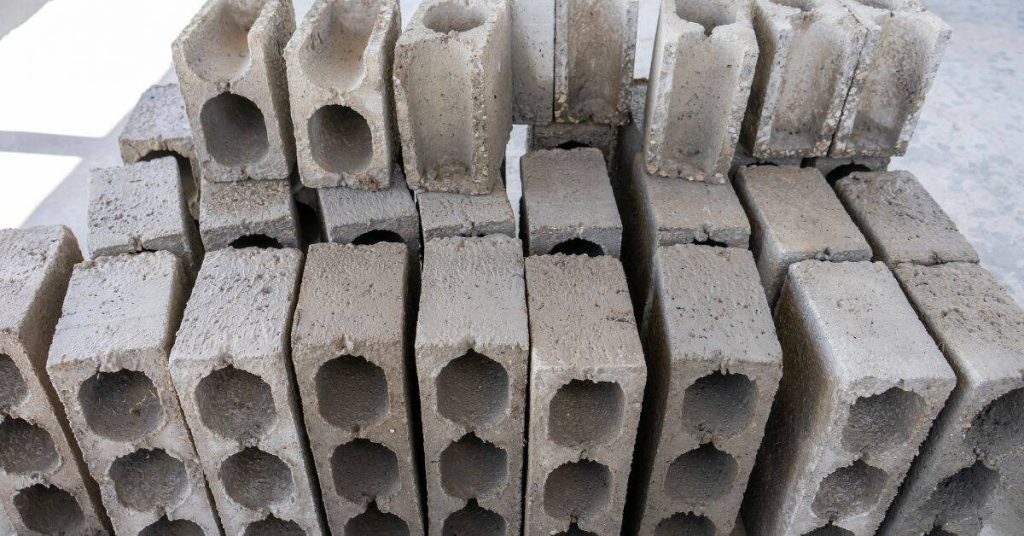
stacked hollow concrete blocks in various shapes and sizes

Knee pads and kneeboards on concrete slabs: when they save finishes and when they ruin texture

Introduction Knee pads and kneeboards are protective and guiding tools used on concrete slabs to cushion joints and protect the surface. They can help finishes stay clean by preventing gouges, but improper use can mar textures or leave indentations. Choose pads and boards that fit your knee height and project needs, and adjust as you

Knee pads and kneeboards on concrete slabs: when they save finishes and when they ruin texture Read More »

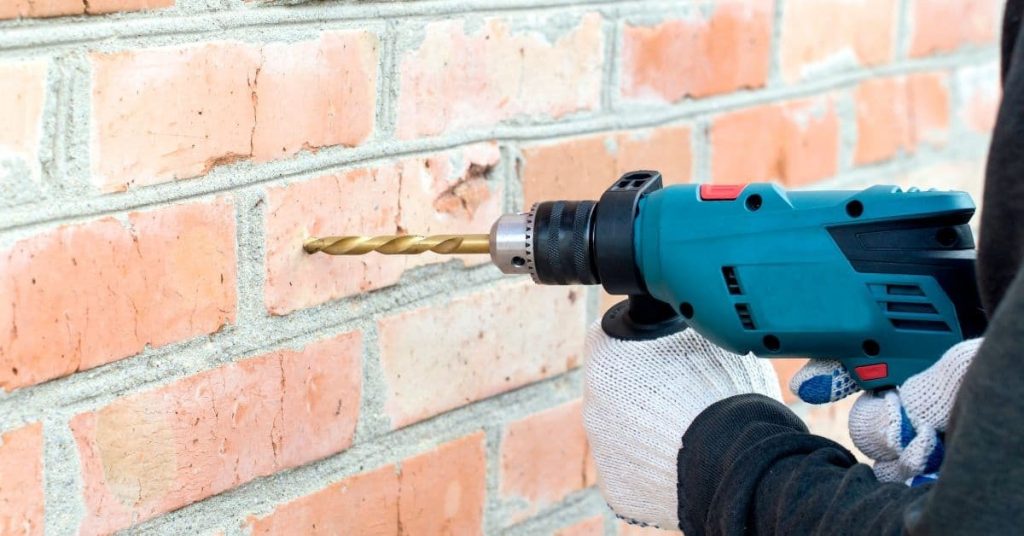
Corded drill with drill bit drilling into brick wall

Pressure washer setup for masonry: PSI limits, fan tips, and avoiding etching

Introduction Pressure washer setup for masonry means choosing safe pressure, nozzle tips, and technique to clean without damaging surfaces. Start with the lowest effective pressure and test on a small area to see how the surface responds. Keep a steady distance and avoid aggressive passes that can etch or gouge the mortar. Choosing the right

Pressure washer setup for masonry: PSI limits, fan tips, and avoiding etching Read More »

Close up of overlapping black flexible industrial vacuum hoses

Tool maintenance for winter on concrete and stucco jobsites: hoses, sprayers, and batteries that hate freezing

Introduction Winter tool maintenance for hoses on concrete jobsites means prepping and protecting hoses so they won’t crack or leak in freezing weather. Inspect hoses for wear, drain any residual water, and store them where they won’t freeze. Always check the manufacturer guidance on storage and use. Winter care for sprayers on stucco jobsites involves

Tool maintenance for winter on concrete and stucco jobsites: hoses, sprayers, and batteries that hate freezing Read More »

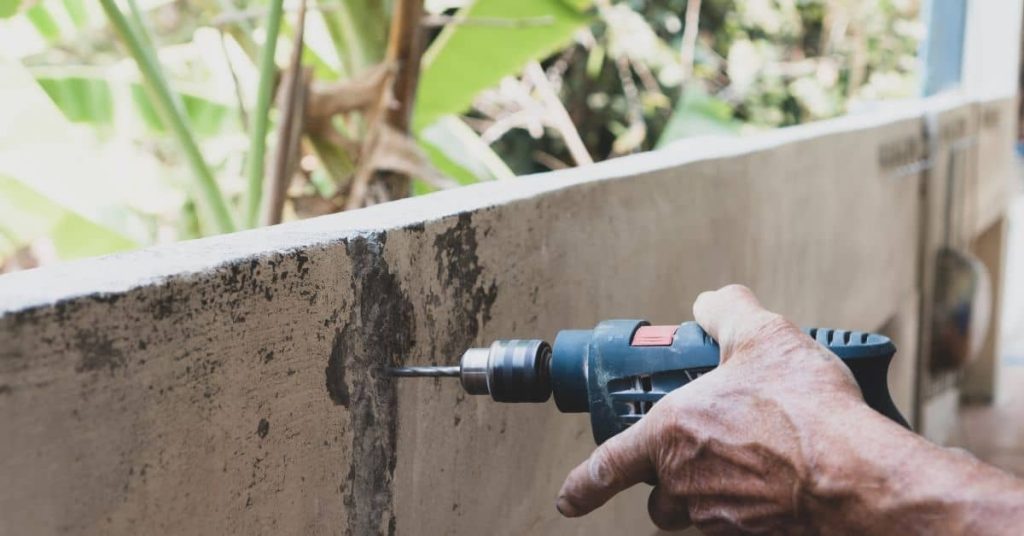
Hand holding drill against concrete wall surface

Drilling into masonry: SDS settings, bit types, and how to stop wandering

Introduction Drilling into masonry means using a hammer drill with an appropriate SDS bit to bore into brick, concrete, or stone. This article gives a practical overview of choosing settings, bit types, and how to keep the drill from wandering. It sticks to plain language and hands‑on tips for real work on the job site.

Drilling into masonry: SDS settings, bit types, and how to stop wandering Read More »

Corded orange and black angle grinder on concrete floor

Wet saw vs grinder for brick and block: cut quality, dust, and speed tradeoffs

Introduction Wet saws cut brick and block with water cooling and a fixed blade, offering dust control and different cut quality than grinders. A grinder can cut faster on rough brick or block but tends to produce more dust and less precise edges unless a careful technique and guard are used. Check the blade type,

Wet saw vs grinder for brick and block: cut quality, dust, and speed tradeoffs Read More »

Corded drill with drill bit drilling into brick wall

Choosing blades for concrete, brick, and block: masonry vs diamond vs segmented—matching blade to material

Introduction Choosing blades for concrete, brick, and block means matching the blade type to the material you cut. Masonry blades are the basic option, while diamond blades handle harder or denser masonry, and segmented designs help with cooling and debris removal. Consider material hardness and whether you need a continuous or segmented edge. Blade design

Choosing blades for concrete, brick, and block: masonry vs diamond vs segmented—matching blade to material Read More »

Yellow corded electric drill with masonry bit on wooden surface

Cutoff saw choices for masonry and concrete: gas vs electric and what changes for indoor work

Introduction Cutoff saw choices for masonry and concrete are about selecting gas or electric power and understanding how that choice affects indoor use. This introduction explains what to expect from each option, how it changes your setup, and what to check before you begin. You’ll want to follow manufacturer instructions and local rules for safe

Cutoff saw choices for masonry and concrete: gas vs electric and what changes for indoor work Read More »

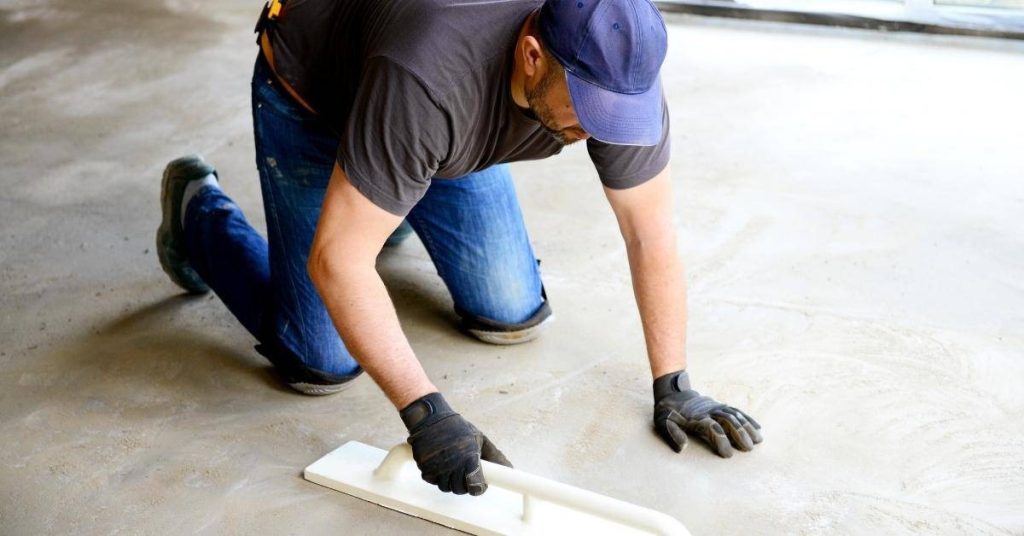
Worker kneeling smoothing wet concrete floor

Stringline vs laser for concrete and masonry layout: when old-school lines beat tech for accuracy

Introduction Stringlines are a traditional layout method using taut string and stakes to mark precise lines for concrete and masonry. Lasers introduce electronic sighting and can be faster, but stringlines can be more accurate in limited spaces or on uneven terrain when properly stretched and aligned. The choice depends on accuracy needs, site conditions, and

Stringline vs laser for concrete and masonry layout: when old-school lines beat tech for accuracy Read More »