Search Results for: surface prep

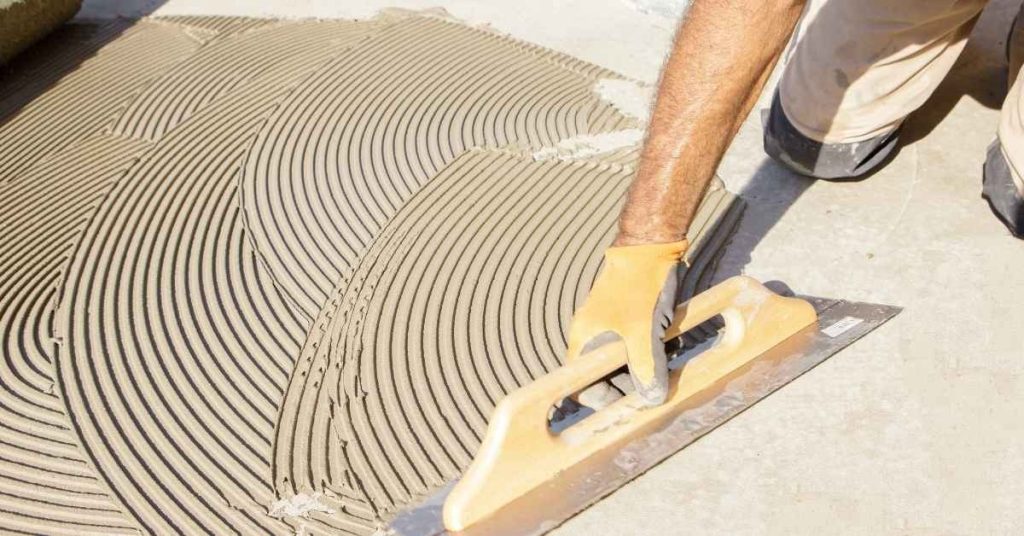
Hand holding trowel smoothing fresh concrete surface

Trowel Pressure Basics: How to Avoid Ripples and “Drag Marks”

Introduction Trowel pressure basics are about using steady, even pressure with a finishing trowel to smooth fresh concrete and minimize ripples. Doing it right means consistent body movement, proper timing, and paying attention to the surface as you work. If you need hands-on guidance, you can reach out with questions and we’ll point you to […]

Trowel Pressure Basics: How to Avoid Ripples and “Drag Marks” Read More »
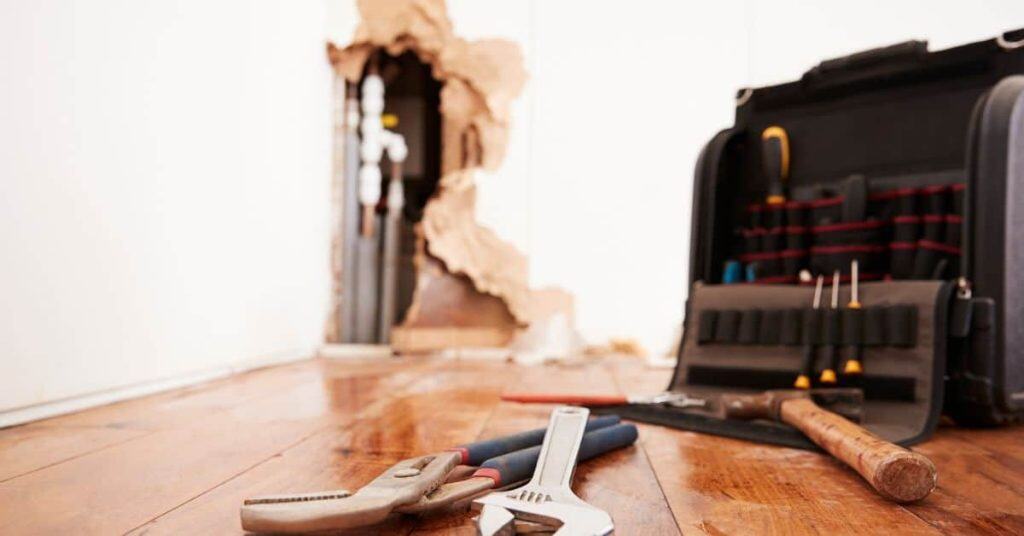
Tools and open toolbox on wooden floor near damaged wall

Tile Cleaners That Damage Grout: What to Avoid and Safer Alternatives

Introduction Tile cleaners that damage grout are products that break down the cementitious grout or its seal, causing staining or crumbling. They can be overly acidic, abrasive, or leave residues that attract dirt. Always check labels and test on a small area first. Safer options include pH-neutral cleaners, mild dish soap with water, or grout-safe

Tile Cleaners That Damage Grout: What to Avoid and Safer Alternatives Read More »

Rubber mallet on tile floor with level tool nearby

Lippage at Outside Corners: How to Plan and Cheat It so It Looks Intentional

Introduction Lippage at outside corners happens when tile edges don’t line up cleanly at the corner. This guide explains how to plan the layout and adjust the cut to make it look intentional. Think ahead by dry-fitting pieces, marking where you will cut, and adjusting your layout to hide small gaps. Check local guidelines and

Lippage at Outside Corners: How to Plan and Cheat It so It Looks Intentional Read More »

Worker spreading thinset mortar with a notched trowel

Tile on Shower Ceilings: Sag Prevention and Thinset Choice

Introduction Tile on shower ceilings requires proper sag prevention and careful thinset choice. In plain terms, you want the substrate to stay flat and the tile to bond well from day one. Check the thinset instructions for substrate compatibility and follow the manufacturer’s guidance or local rules to avoid surprises. Start by inspecting the ceiling

Tile on Shower Ceilings: Sag Prevention and Thinset Choice Read More »

curbless glass shower with marble tile walls and bench

Curbless Shower Slope: How to Check Slope and Fix “Birdbaths” Before Tile

Introduction A curbless shower slope is the gradually sloped floor that drains toward the drain without a raised curb. This intro shows how to check that slope and spot birdbaths before you tile. You’ll use simple tools like a level and straightedge to judge the surface as you work. To fix an incorrect slope, identify

Curbless Shower Slope: How to Check Slope and Fix “Birdbaths” Before Tile Read More »

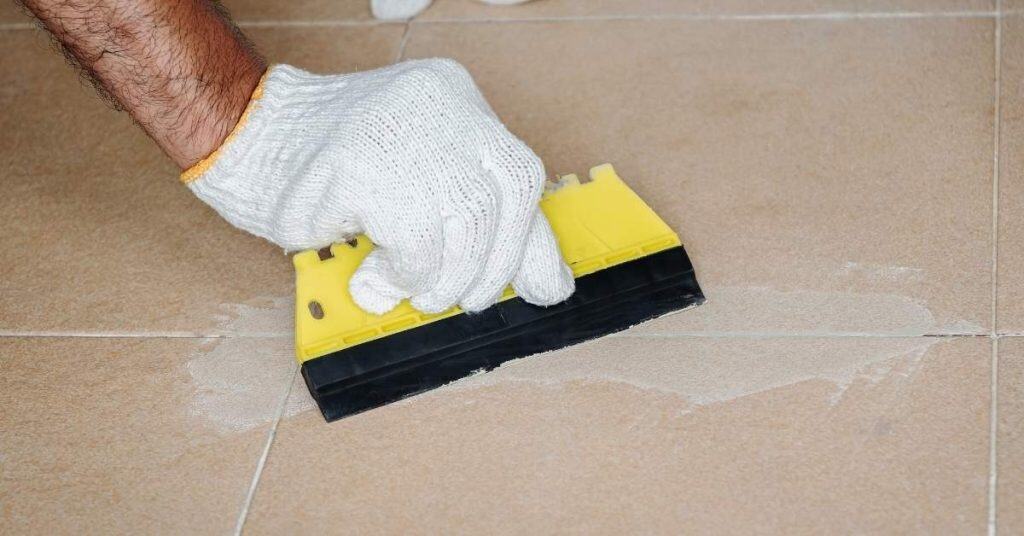
Hand holding grout float over tiled wall surface

Fixing Pinholes in Grout: Why They Happen and How to Repair Without Regrouting Everything

Introduction Pinhole grout gaps are tiny holes in the grout that can let moisture seep behind tiles. They happen when the grout didn’t seal properly, or when movement, wear, or improper mixing weakened it. They’re most noticeable in areas that get routine use or wetting, and they can spread if left unaddressed. You can fix

Fixing Pinholes in Grout: Why They Happen and How to Repair Without Regrouting Everything Read More »

Living room with natural hardwood flooring and large windows

Transitions at Doorways: Clean Ways to Meet Hardwood/Lvp/Carpet Without Ugly Reducers

Introduction Transitions at doorways are the finished edge where hardwood, LVP, or carpet meet, creating a smooth, safe path. They hide uneven cuts and tiny gaps while guiding foot traffic. This article shows plain‑spoken, hands‑on ways to handle the join without ugly reducers. Start by inspecting the subfloor and the edge of each floor covering

Transitions at Doorways: Clean Ways to Meet Hardwood/Lvp/Carpet Without Ugly Reducers Read More »

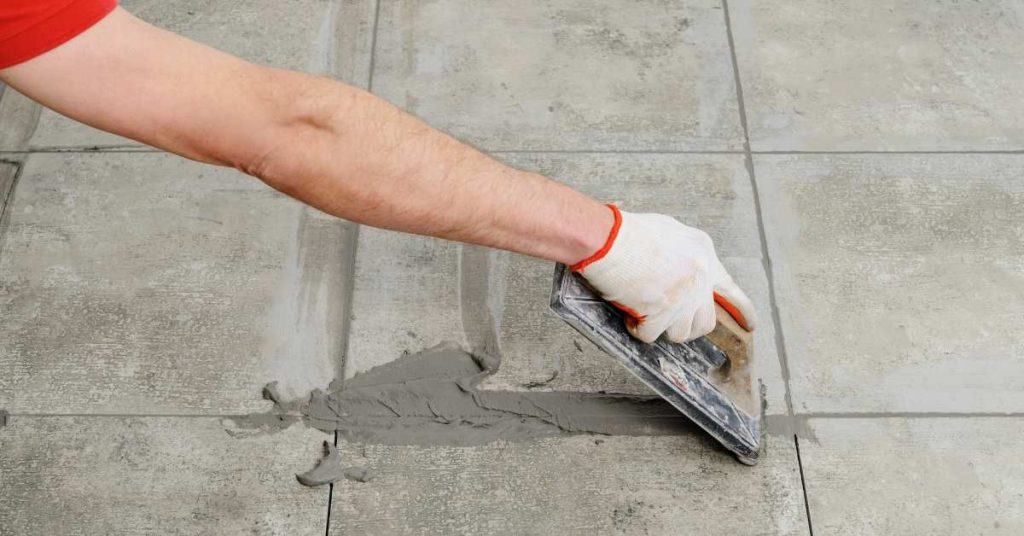
Hand with white glove spreading grout on floor tiles

Tile on Plywood: the Right Build-up so You Don’t Get Cracked Grout Lines

Introduction Tile on plywood is a build-up method that stabilizes a tile surface on a plywood base to prevent cracking. Prep the plywood by cleaning it, dulling any slick spots, and making sure the panel is firmly fastened. Choose an adhesive and any underlayment per the label and local rules, and follow the manufacturer’s prep

Tile on Plywood: the Right Build-up so You Don’t Get Cracked Grout Lines Read More »