Search Results for: stop and seal waterproofing

How to Patch Small Wrb Punctures with Liquid Flash Before Re-Stucco

How to Patch Small Wrb Punctures with Liquid Flash Before Re-Stucco

Table of Contents Why WRB Integrity Matters Before Stucco When to Use Liquid Flash vs. Tape or Full Panel Repair Recommended Liquid Flash Products and Compatibility Matrix Tools, PPE, and Materials Checklist Step‑by‑Step Repair Method for Small Punctures (Exact Technique) Curing, Environmental Limits, and Inspection Criteria Integration with Stucco Lath and Finish Work Troubleshooting, Common […]

How to Patch Small Wrb Punctures with Liquid Flash Before Re-Stucco Read More »

Patching Small WRB (Weather-Resistive Barrier) Punctures Before Re-Stucco

Patching Small WRB (Weather-Resistive Barrier) Punctures Before Re-Stucco

Table of Contents Why WRBs Matter for Stucco Cladding Types of WRB Materials Compatible with Stucco How to Inspect a WRB Before Re‑Stucco Diagnosing Punctures vs. Underlying Damage Approved Repair Materials and When to Use Them Step‑by‑Step: Patching Small Punctures in Housewrap Step‑by‑Step: Patching Punctures in Self‑Adhered Membranes Sealing Fastener Penetrations and Nail Holes Flashing

Patching Small WRB (Weather-Resistive Barrier) Punctures Before Re-Stucco Read More »

Using Butyl Tape Behind Exterior Fixtures in Stucco

Using Butyl Tape Behind Exterior Fixtures in Stucco

Table of Contents What is Butyl Tape and Why Use It on Stucco Types, Sizes, and Product Selection When to Use Butyl Tape vs. Caulk, Flashing, or Mechanical Seals Materials, Tools, and Safety Considerations Preparing Stucco and Fixture Surfaces Step-by-Step Installation for Common Exterior Fixtures Sealing Techniques for Wires, Conduits, and Small Penetrations Common Mistakes,

Using Butyl Tape Behind Exterior Fixtures in Stucco Read More »

Testing Epoxy Expiration with a Small Sample

Testing Epoxy Expiration with a Small Sample

Table of Contents What “expired” epoxy means (chemical and practical definitions) Safety first: PPE, ventilation, and handling old epoxy Preparing a reliable small-sample test (materials, environment, and controls) Step-by-step mini-cup cure test (the core small-sample method) Quick qualitative checks before doing destructive tests (visual, smell, viscosity) Mechanical and functional small-sample tests (brittleness, hardness, adhesion) Diagnosing

Testing Epoxy Expiration with a Small Sample Read More »

Repairing Broom Finish in Concrete After a Bad Pass

Repairing Broom Finish in Concrete After a Bad Pass

Table of Contents Quick Triage — Is Repair Possible or Is a Re-pour Needed? Common Causes of a Bad Broom Pass Tools, Materials and Safety Before Repair Surface Preparation and Timing for Repairs Repair Methods — Step-by-Step Procedures Matching and Recreating Broom Texture Finishing, Curing and Sealing After Repair Quality Acceptance, Documentation and Communication Preventative

Repairing Broom Finish in Concrete After a Bad Pass Read More »

Reclaiming Leftover Concrete into Stepping Stones

Reclaiming Leftover Concrete into Stepping Stones

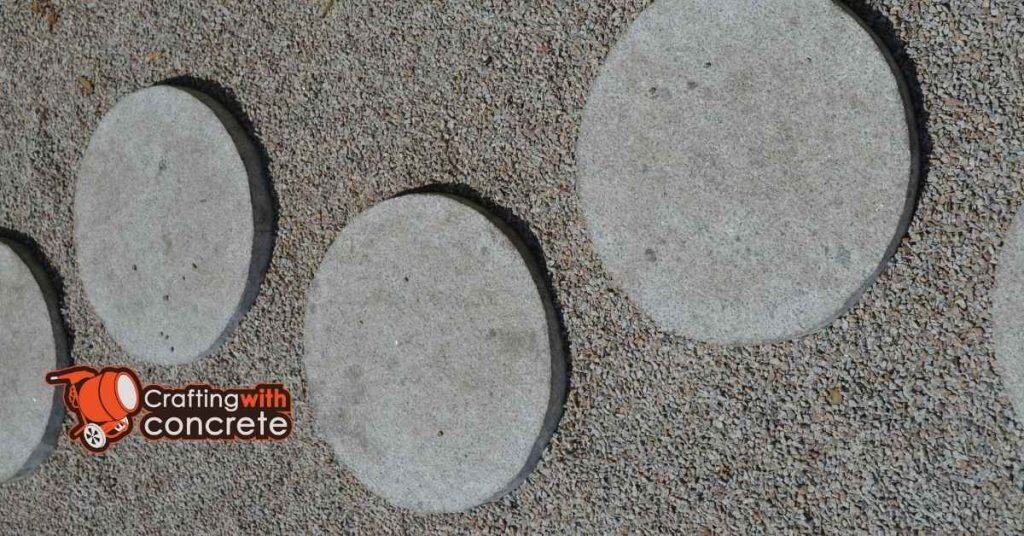
Table of Contents Why Reclaim Concrete for Stepping Stones? Assessing and Sorting Leftover Concrete Tools, Materials and Safety Gear Checklist Preparing Molds and Forms for Stepping Stones Recipes and Mixing Strategies for Variable Leftover Concrete Reinforcement, Layering and Structural Techniques Casting and Finishing Techniques Curing, Demolding and Post-Cure Treatments Design Ideas and Decorative Treatments Troubleshooting

Reclaiming Leftover Concrete into Stepping Stones Read More »

Sink Support Frames for Heavy Concrete in Old Cabinets

Sink Support Frames for Heavy Concrete in Old Cabinets

Table of Contents Why reinforcement is critical for heavy concrete and fireclay sinks Assessing your existing cabinet: a step-by-step inspection checklist Estimating the required load capacity: sink + water + use-case loads Types of retrofit sink support systems explained Recommended materials and fasteners for long-term strength Tools and equipment checklist (buy vs rent) Measuring and

Sink Support Frames for Heavy Concrete in Old Cabinets Read More »

Using Adjustable Cabinet Legs to Get Perfect Heights for Poured Concrete Counters

Using Adjustable Cabinet Legs to Get Perfect Heights for Poured Concrete Counters

Introduction When installing poured concrete counters, achieving the perfect height is crucial for both aesthetics and functionality. This guide will walk you through using adjustable cabinet legs to ensure your counters are level and at the ideal height. Table of Contents Why use adjustable cabinet legs for poured concrete counters? Measuring and planning final counter

Using Adjustable Cabinet Legs to Get Perfect Heights for Poured Concrete Counters Read More »

How to Set Sleeve Conduits Through Slabs Before You Pour

How to Set Sleeve Conduits Through Slabs Before You Pour

Table of Contents Why pre-setting sleeves matters Types of sleeve materials and when to use them Sizing sleeves and clearance guidelines Layout, positioning, and elevation planning Coordination with rebar, mesh, and post-tension systems Formwork and sleeve installation techniques Bracing, blocking, and securing sleeves before pour Protecting the vapor barrier and waterproofing at sleeve penetrations Sealing

How to Set Sleeve Conduits Through Slabs Before You Pour Read More »

Repointing Vertical Brick Joints Without Drool Lines

Repointing Vertical Brick Joints Without Drool Lines

Table of Contents Table of Contents Introduction Introduction to Repointing Brick Joints Tools and Materials Needed Mastering the Tools for Repointing Brick Joints Step-by-Step Repointing Process Techniques to Avoid Drool Lines Cleaning Excess Mortar Common Mistakes to Avoid Solving Common Problems in Repointing Work Maintenance Tips for Repointed Brickwork Differences Between Vertical and Horizontal Joint

Repointing Vertical Brick Joints Without Drool Lines Read More »