Search Results for: stop and seal waterproofing

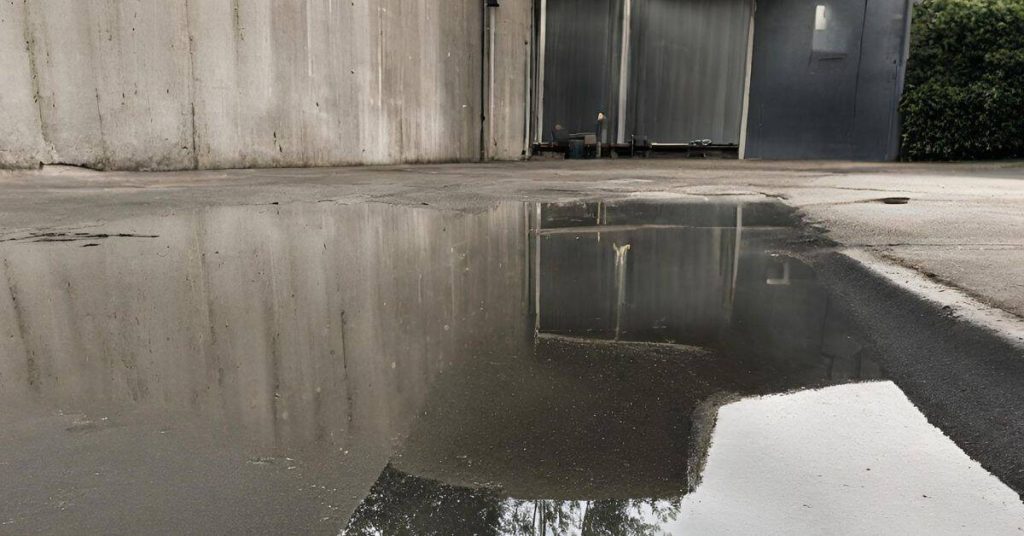
Water puddle on concrete surface near wall and door

Reading Water Stains Around Concrete Slabs: Simple Drainage Diagnostics Before You Start Digging

Introduction Water stains around concrete slabs indicate moisture movement from beneath or around the slab rather than a surface spill. This article helps you spot early signs and assess the basic drainage setup before any digging. Use plain checks and safe steps to decide what to fix first. Common signs include damp patches, mineral buildup, […]
Reading Water Stains Around Concrete Slabs: Simple Drainage Diagnostics Before You Start Digging Read More »

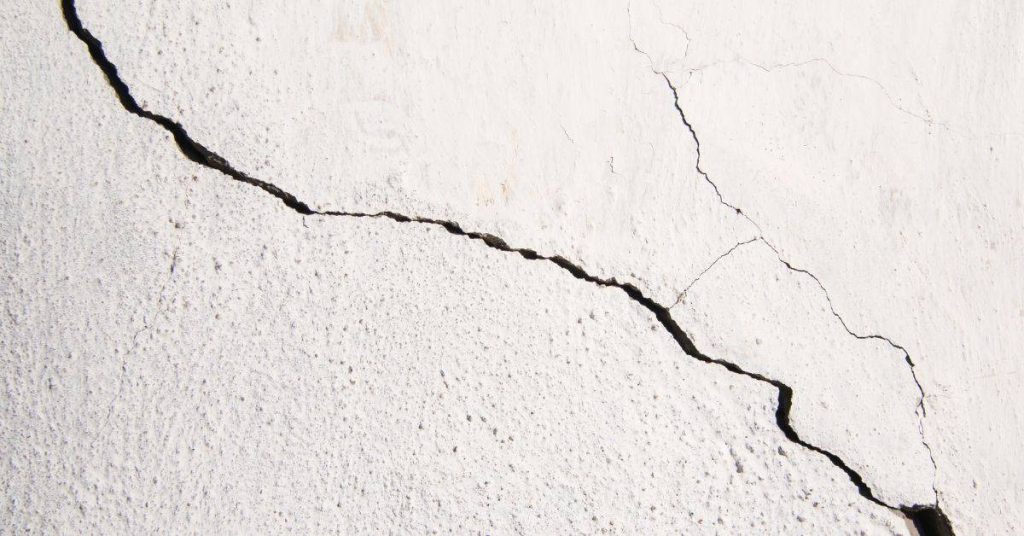
Closeup of a large crack in white stucco wall

Stucco Too Close to Grade: Fix Options Short of Full Tear-Down

Introduction Stucco too close to grade means the stucco base sits near soil and splash zones, which can trap moisture and invite damage. Common signs include cracking, staining, or peeling where the wall meets the ground, plus any bubbling or powdery finish. Watch for moisture staining, plant growth against the wall, and gaps that let

Stucco Too Close to Grade: Fix Options Short of Full Tear-Down Read More »

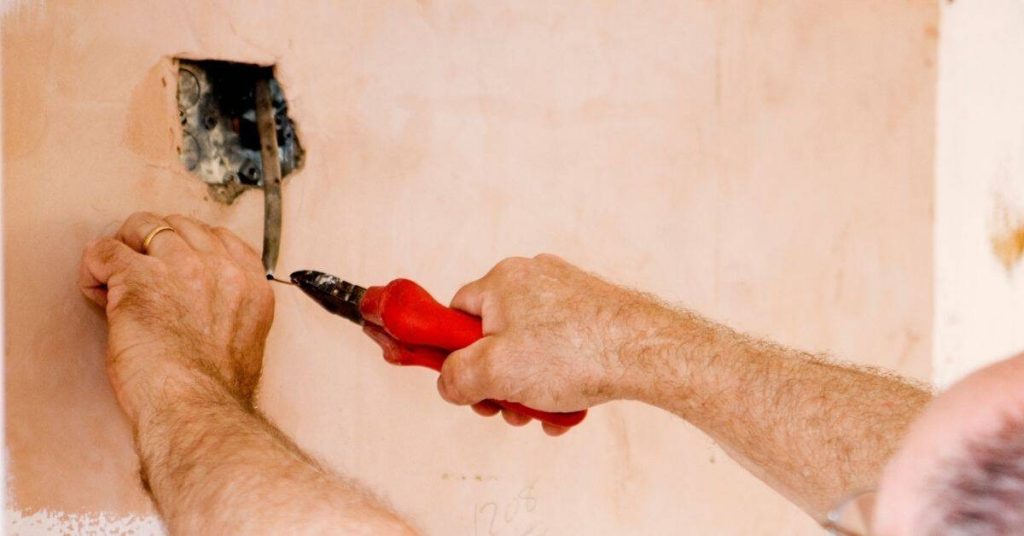
Hands using pliers to pull wire from electrical box in stucco wall

Stucco Around Electrical Meter Bases: Water Management Without Caulk Dams

Introduction Stucco around electrical meter bases is the careful detailing of stucco up to the meter box while managing water to prevent leaks. This approach keeps the enclosure dry and minimizes pathways for water intrusion. Follow manufacturer instructions and local rules to align with safe installation practices. Key methods include planning flashing and weep paths

Stucco Around Electrical Meter Bases: Water Management Without Caulk Dams Read More »

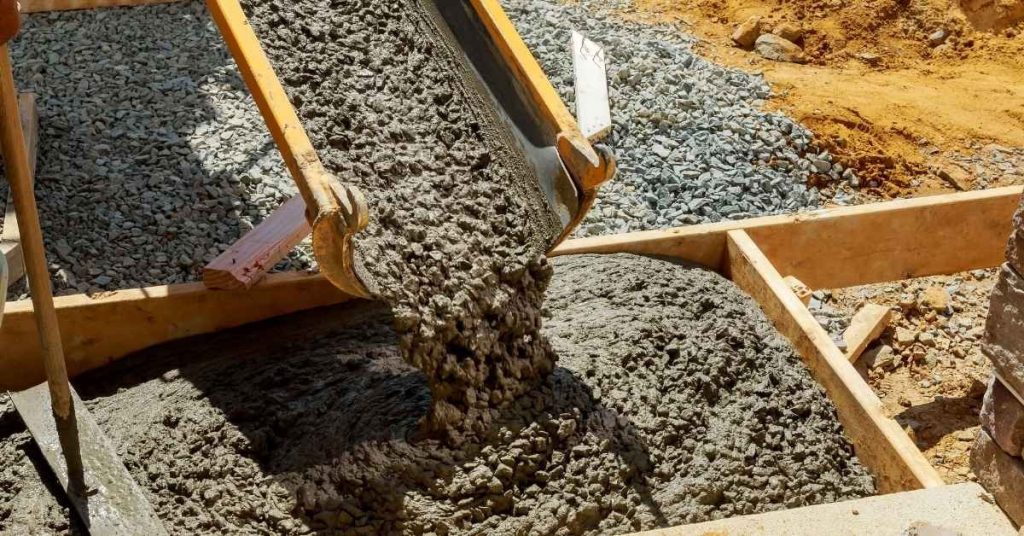
Concrete pouring into wooden formwork on construction site

Concrete Form Blowouts on DIY Forms: Bracing Patterns That Resist Wet Pressure

Introduction Concrete form blowouts occur when the wet concrete pressure pushes on the forms and they fail or bow. It happens when the form panels bow or kick out under load. If you see gaps or misalignment after a test lift, pause and inspect braces and joints. Use bracing patterns that keep panels square and

Concrete Form Blowouts on DIY Forms: Bracing Patterns That Resist Wet Pressure Read More »

Hand shaping a ball of plaster close up

How to Rebuild Missing Plaster Keys: Methods That Don’t Require Full Demo

Introduction A plaster key restoration is rebuilding the shallow grip surfaces in a wall to allow new plaster to bond without tearing out the entire section. It’s done without full demolition and is aimed at DIY repair. This introduction sets up practical, hands-on steps you can follow at home. Start with a careful inspection of

How to Rebuild Missing Plaster Keys: Methods That Don’t Require Full Demo Read More »

Hands positioning toilet bowl over plumbing drain pipe

Drainage Mats vs Dimple Boards: Choosing Protection/Drain Layers for Basement Walls

Introduction Drainage mats and dimple boards are protective layers placed against basement walls to manage moisture. They both create a gap for water to drain and help keep insulation and framing dry, but they work a bit differently. Choose based on how the wall will be finished and the ease of installation. In practice, you’ll

Drainage Mats vs Dimple Boards: Choosing Protection/Drain Layers for Basement Walls Read More »

Close up of worker smoothing fresh concrete slab with float

Basement Slab Vapor Drive in Winter: Why ‘Dry’ Floors Still Push Moisture Into Coatings

Introduction Basement slab vapor drive in winter is moisture moving through concrete from the ground, even when floors feel dry. In cold weather, capillary action and ground moisture can push water into coatings, sealing layers, and corner joints. This is a practical, hands-on issue you can see by checking for damp spots and efflorescence along

Basement Slab Vapor Drive in Winter: Why ‘Dry’ Floors Still Push Moisture Into Coatings Read More »

Close-up of concrete beams and columns on building exterior

Petrographic Analysis for Concrete Problems: When It’s Worth Sending a Sample

Introduction Petrographic analysis is identifying what’s inside concrete by examining thin sections under a microscope to diagnose problems. Sending a sample is worth it when surface tests don’t tell you the cause, or when you need to confirm suspicion of reactions or cracking. It’s a straight‑forward way to separate chemical reactions from physical wear. A

Petrographic Analysis for Concrete Problems: When It’s Worth Sending a Sample Read More »