Search Results for: skim coat plaster

Smooth white ceiling with recessed tray design and hanging bulb

How to Prevent Flashing at Joints Under Semi-Gloss Paint (Primer + Skim + Sand Workflow)

Introduction Flashing at joints under semi-gloss paint is when the edge of the joint shows through the finish due to imperfect sealing or adhesion. The fix is a careful primer, skim coat, and light sanding to smooth joints before applying the topcoat. Work from clean surfaces and match the paint system to the substrate, checking […]

How to Prevent Flashing at Joints Under Semi-Gloss Paint (Primer + Skim + Sand Workflow) Read More »

Man installing drywall panels on ceiling metal framework

Drywall Over Plaster Walls: When Furring Strips Beat Adhesives (and how to avoid hollow spots)

Introduction Furring strips create a new, flat surface for hanging drywall over plaster. This method helps prevent hollow spots by giving you solid backing and a frame to fasten into. Check your local rules and manufacturer guidelines for spacing and fastener choices. Plan your layout, level the strips, and avoid compressing the plaster when you

Drywall Over Plaster Walls: When Furring Strips Beat Adhesives (and how to avoid hollow spots) Read More »

Interior room with drywall patches and joint compound

How to Patch Drywall After Removing Tile Backsplash (Old Mastic, Tears, and Skim Strategy)

Introduction Patching drywall after removing a tile backsplash involves repairing damaged drywall, smoothing feathered seams, and re-skimming the surface so it’s ready to paint. You’ll want to address old mastic footprints, tears, and any ridges or gouges left behind. Check for water stains or loose paint and plan repairs accordingly before you proceed. Start by

How to Patch Drywall After Removing Tile Backsplash (Old Mastic, Tears, and Skim Strategy) Read More »

Person spreading white plaster on metal trowel with spatula

Mixing Lime Putty Plaster at Home: Safety, Storage, and Workability Tips

Introduction Mixing lime putty plaster is combining lime putty, sand, and water to create a workable plaster for traditional walls. This short guide focuses on safety, storage, and how to judge workability when you mix it at home. Always check manufacturer instructions and local rules for any exact ratios or requirements. Start with clean, dry

Mixing Lime Putty Plaster at Home: Safety, Storage, and Workability Tips Read More »

Hands applying plaster smoothly on interior wall

Plaster Soundproofing Add-Ons: When an Extra Coat Helps and When It’s Wishful Thinking

Introduction Extra plaster coats provide additional mass and seal to help reduce sound transmission when the first layer isn’t enough. A second coat can improve sound dampening by filling gaps and smoothing the surface. But it’s not a magic fix for loud environments or structural issues. Whether to add another coat depends on the room,

Plaster Soundproofing Add-Ons: When an Extra Coat Helps and When It’s Wishful Thinking Read More »
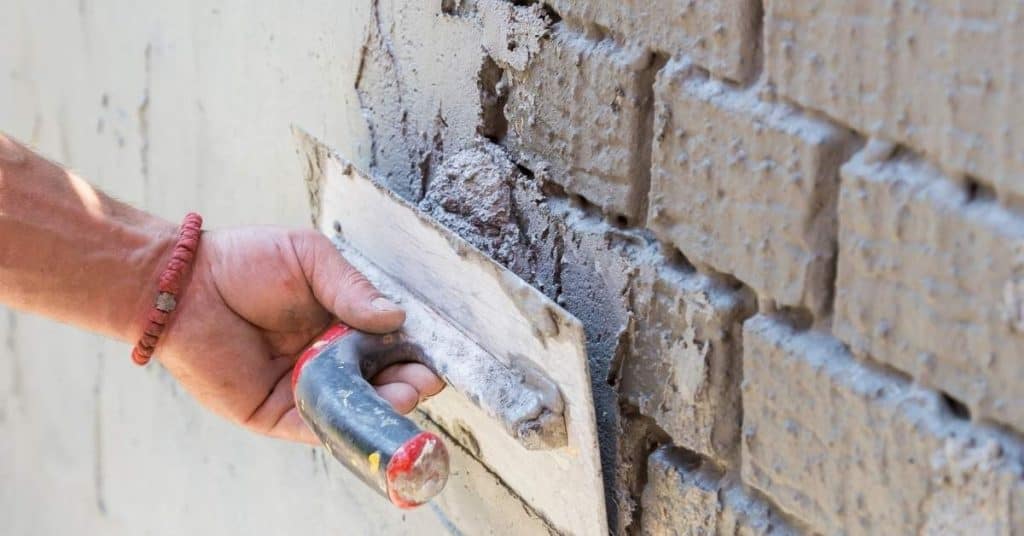
Hand applying plaster to rough brick wall with trowel

How to Patch Plaster Over Brick Arches Without ‘Shadow Lines’ Reappearing

Introduction Patching plaster over brick arches means applying new plaster to cover the brick and hide uneven shadows. You’ll aim for a flat, uniform surface that looks seamless with the surrounding wall. Work in small steps, keeping the mix workable and the surface clean as you go. Start by inspecting for loose bricks or dust,

How to Patch Plaster Over Brick Arches Without ‘Shadow Lines’ Reappearing Read More »

Person smoothing plaster on ceiling with trowel

DIY Plaster Repair at Radiator Niches: Heat, Moisture, and Primer Choices

Introduction Plaster repair around radiator niches is fixing damaged plaster to restore a clean, sealed surface that can handle heat and moisture. This work is hands-on and happens where the radiator meets the wall, so you’ll patch, skim, and finish to blend in. You’ll want to understand how heat and moisture can affect the repair

DIY Plaster Repair at Radiator Niches: Heat, Moisture, and Primer Choices Read More »

Person applying plaster to wall with tool

Creating a Plaster Accent Wall With Inlaid LED Channels (No Cracks at the Channel)

Introduction This is plaster on a wall with inlaid LED channels designed to hide lighting and keep cracks at the edges under control. It’s a hands-on project that blends masonry work with lighting details. You’ll mix, set, and shape plaster around recessed channels while planning for even lighting. Plan the layout and follow straightforward steps

Creating a Plaster Accent Wall With Inlaid LED Channels (No Cracks at the Channel) Read More »

Worker spraying cement plaster on concrete wall

Plaster in Shower Areas: When Cement Plaster Is Safer Than Gypsum (and Why)

Introduction Cement plaster is typically safer in shower areas because it resists moisture better than gypsum. It dries hard and handles moisture and humidity in wet zones better. Choose cement plaster for areas that get a lot of splash, and always follow the product label and local building guidance. Check that the substrate is sound,

Plaster in Shower Areas: When Cement Plaster Is Safer Than Gypsum (and Why) Read More »

Person holding a trowel with fresh plaster

Fixing Chalky Old Lime Plaster: Consolidation Options Before You Paint

Introduction Consolidating chalky old lime plaster means stabilizing its surface so it won’t shed when you touch it. Before you paint, you need to decide how to rebind the surface using methods that fit lime without ruining breathability. Check the plaster for loose chunks, and review manufacturer labels or local rules to choose a safe

Fixing Chalky Old Lime Plaster: Consolidation Options Before You Paint Read More »