Search Results for: silica sand for drying

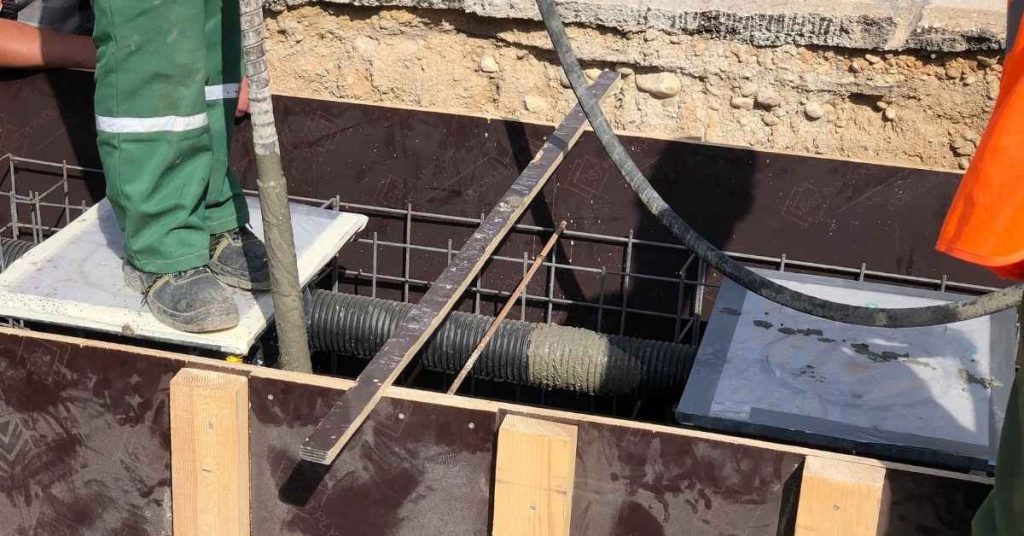
Worker standing on concrete formwork pouring concrete

Concrete Spalling Without Rebar: How deep to remove and how to feather the repair

Introduction Spalling without rebar happens when the surface concrete flakes away, leaving a damaged area that needs patching. You’ll want to remove enough material to reach sound concrete and to create a gradual feathered edge for the new mix to blend in. Check the extent by probing the edge and looking for underlying cracking or […]

Concrete Spalling Without Rebar: How deep to remove and how to feather the repair Read More »
yellow stained concrete surface with varying texture

Concrete Surface Delamination: Causes, diagnosis, and repair that lasts

Introduction Delamination is the surface layer of concrete peeling or separating from the underlying concrete, creating a patchy, hollow feel. It often shows up as a dull patch that may flake or sound hollow when tapped. Lightly tapping suspect areas can help you spot where the top lift isn’t bonded well. To diagnose, look for

Concrete Surface Delamination: Causes, diagnosis, and repair that lasts Read More »

Peeling white paint on rough concrete wall surface

Concrete Sealer on New Concrete: The moisture traps that cause peeling later

Introduction Sealing new concrete can trap moisture and cause peeling later. That moisture gets trapped under the sealer if the surface is still damp or the slab is still curing. Let the concrete cure fully and follow the manufacturer’s guidance before applying any sealer. Before sealing, clean the surface and remove dust, oil, and any

Concrete Sealer on New Concrete: The moisture traps that cause peeling later Read More »

Man patching ceiling plaster with putty knife

Plaster Repairs After Electrical Work: Patching channels without a visible ridge

Introduction Plaster repairs after electrical work are patches that blend into the wall so you don’t see a ridge. Start by assessing the surrounding finish and preparing the plaster mix to match the existing texture. To avoid a visible ridge, feather the edges, work in thin coats, and blend with the surrounding plaster as you

Plaster Repairs After Electrical Work: Patching channels without a visible ridge Read More »

porch with painted concrete floor and white railing

Concrete Countertop Sealing: Durable, low-maintenance options that won’t haze

Introduction Sealing concrete countertops means applying a coating or treatment to protect the surface from stains and wear. A good seal helps wipe up spills, keeps the look cleaner, and reduces daily maintenance. There are different approaches, and you’ll want to choose based on how you use the counter and what you can tolerate in

Concrete Countertop Sealing: Durable, low-maintenance options that won’t haze Read More »

Concrete slab being smoothed with a long-handled float

Concrete Pinholes After Grinding: Filling pores without losing texture

Introduction Pinholes after grinding are tiny surface pores left in the concrete after smoothing. They can show up after grinding and may affect texture if not filled. This article explains a practical way to fill them while keeping the surface feel intact. You’ll need simple fillers and a bit of patience, and always check product

Concrete Pinholes After Grinding: Filling pores without losing texture Read More »

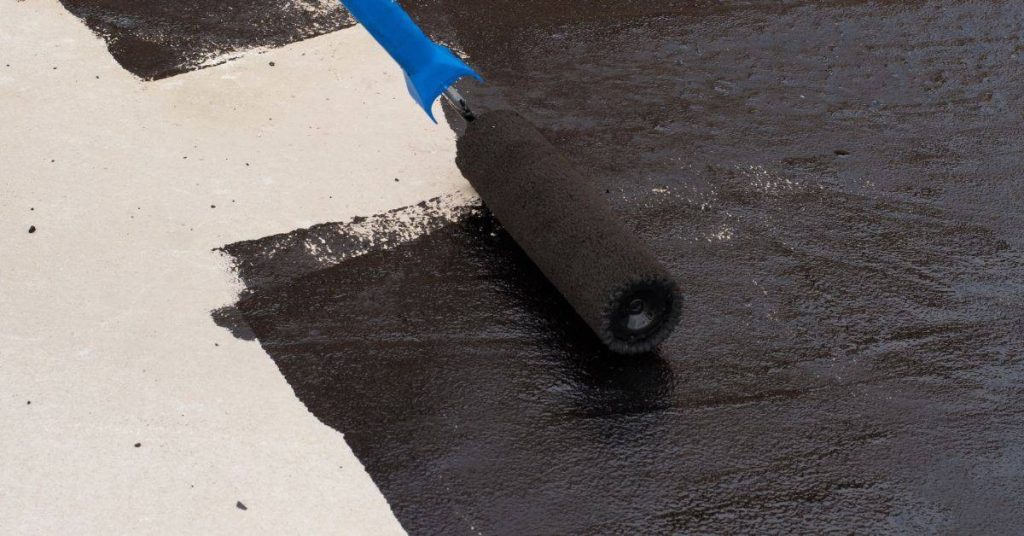
Paint roller applying black sealer on concrete surface

Concrete Sealer Recoat Windows: Why ‘too soon’ and ‘too late’ both cause problems

Introduction A concrete sealer recoat is best done when the surface is ready to bond again, so applying too soon or too late can cause problems. If you seal too soon, the new coat may not adhere well or cure correctly. If you wait too long, contaminants or the old film can prevent proper bonding.

Concrete Sealer Recoat Windows: Why ‘too soon’ and ‘too late’ both cause problems Read More »

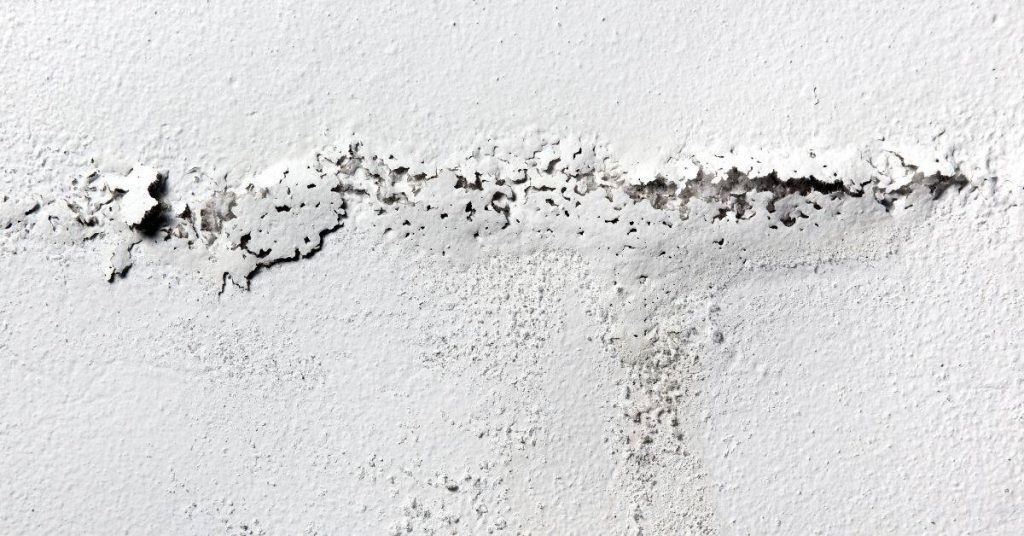
Close-up of peeling white concrete sealer on wall surface

Peeling Concrete Sealer: The moisture and prep mistakes that cause failure

Introduction Peeling concrete sealer happens when a coating lifts away from the concrete rather than sticking. Moisture coming up from the slab and poor surface prep are common causes. We’ll cover the practical mistakes DIYers run into and how to spot them before sealing. Make sure the surface is clean and porous enough to accept

Peeling Concrete Sealer: The moisture and prep mistakes that cause failure Read More »