Search Results for: silica sand for drying

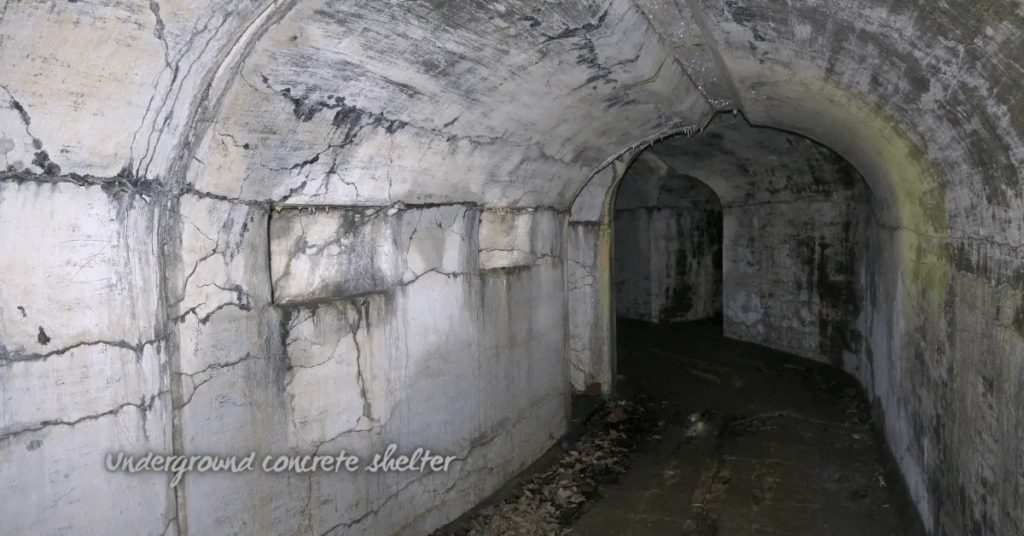
Cracked concrete walls and ceiling inside underground tunnel

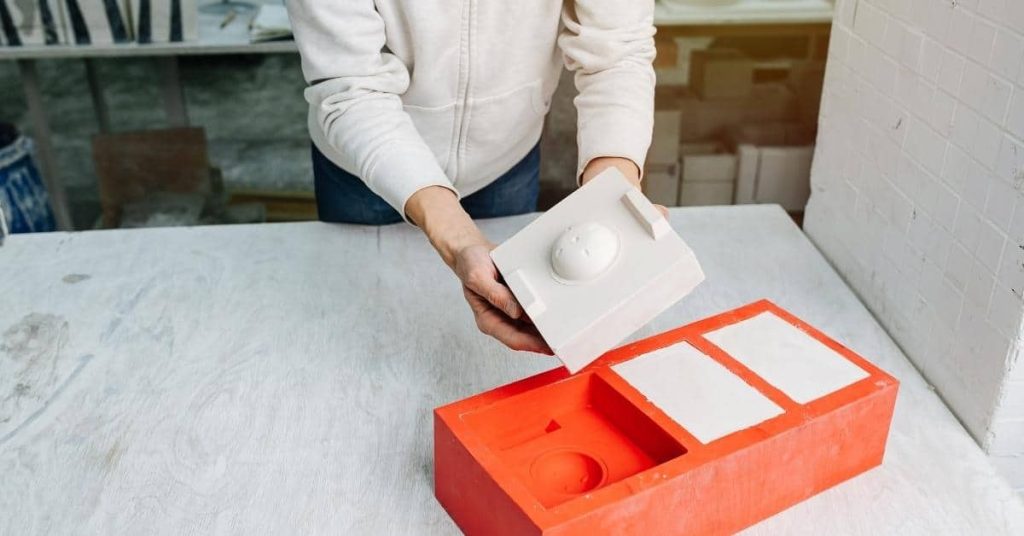
Concrete Overlay Vs Full Replacement: a Decision Guide Based on Movement, Moisture, and Thickness

Introduction Concrete overlay is a thin surface layer applied over an existing floor to refresh or repair it without removing the old substrate. Full replacement requires removing the existing concrete and pouring a new slab or substrate. Both options have tradeoffs in durability, cost, and installation time. Choosing between them depends on movement, moisture, and […]
Concrete Overlay Vs Full Replacement: a Decision Guide Based on Movement, Moisture, and Thickness Read More »

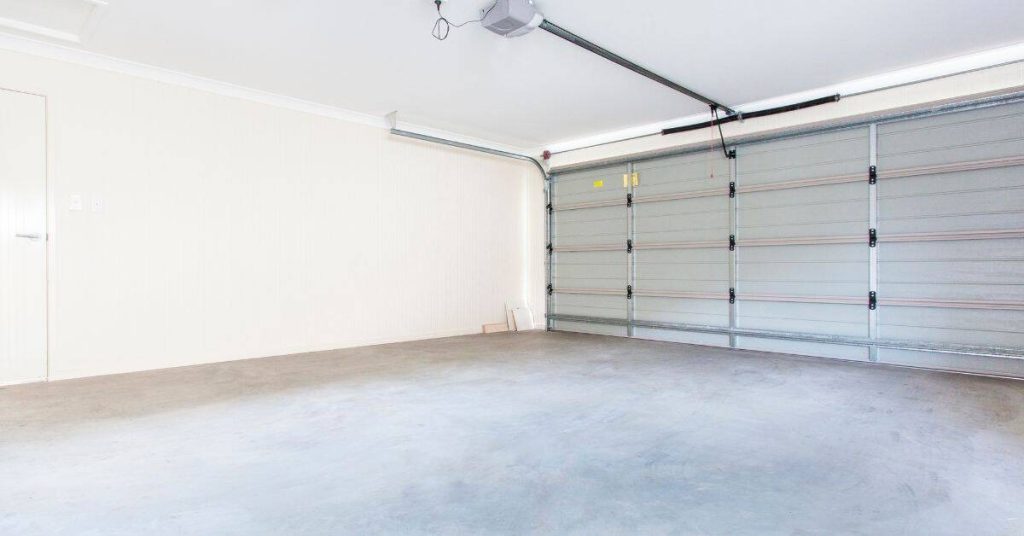
Empty garage with concrete floor and closed metal door

Dusty garage slabs: when sweeping and densifiers help and when resurfacing is the only fix

Introduction Dusty garage slabs are concrete floors that shed fine dust from the surface as you walk on them. Causes include worn surface, moisture, and exposure to chemicals or abrasion from vehicles and tools. Keeping the area swept and free of grit helps you see how bad the dust problem is and what needs doing

Dusty garage slabs: when sweeping and densifiers help and when resurfacing is the only fix Read More »

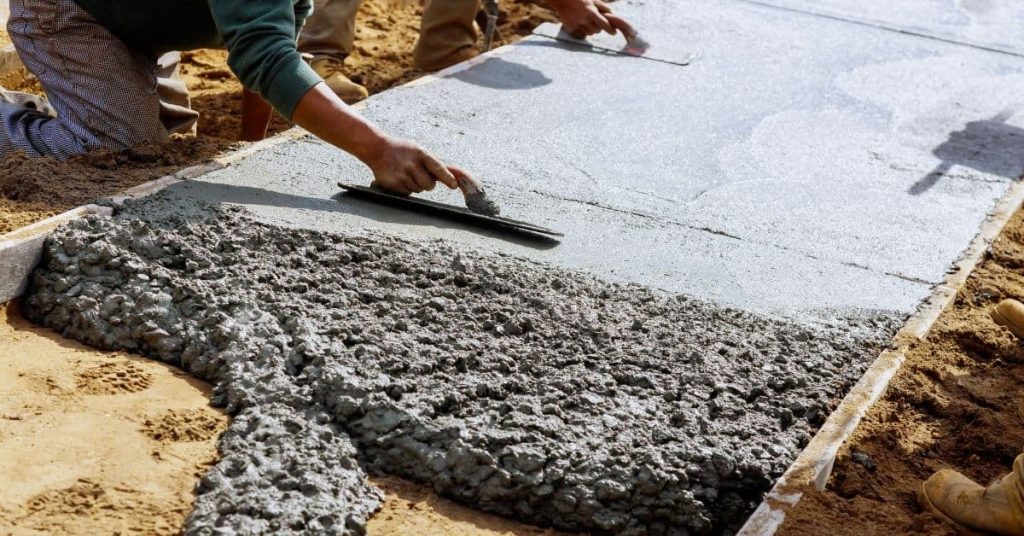
Workers finishing fresh concrete slab with hand trowels

Crazing and hairline map cracks: over-finishing clues and how to keep it subtle

Introduction Crazing and hairline map cracks are very fine, web-like cracks that run across the surface of concrete or plaster. They often look like a spiderweb or tiny branching lines and can appear after finishing when the surface dries unevenly. These marks aren’t structural failure, but they do affect the look and texture of a

Crazing and hairline map cracks: over-finishing clues and how to keep it subtle Read More »

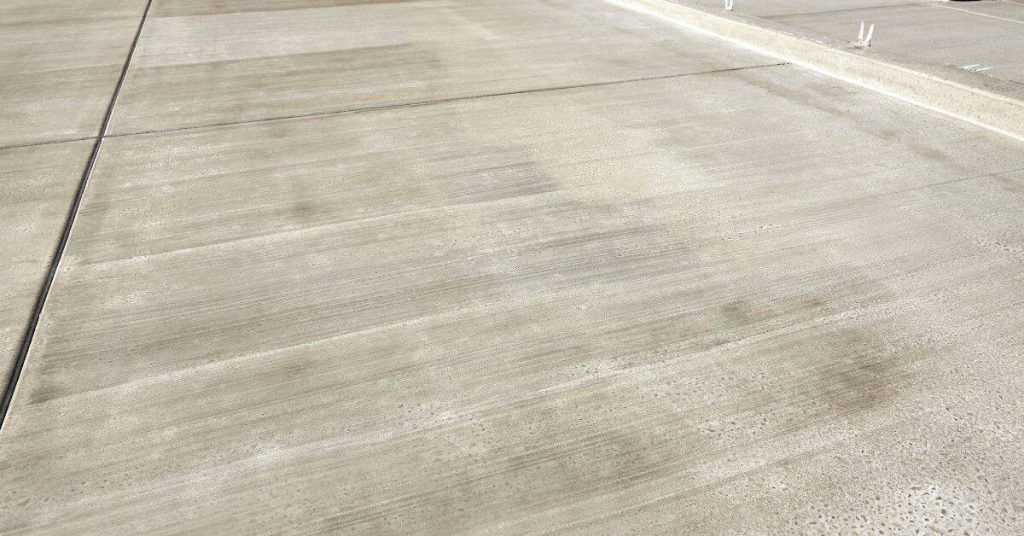
Close-up of a concrete driveway slab with control joints

Air-entrained concrete for driveways and steps: real freeze–thaw failures and how to avoid them

Introduction Air-entrained concrete uses air bubbles added during mixing to resist freeze–thaw damage. For driveways and steps, this helps the surface survive cycles of freezing and thawing without cracking. Check the product label and manufacturer instructions to understand the recommended air content for your project. Keep the mix cool to cure evenly, protect fresh concrete

Air-entrained concrete for driveways and steps: real freeze–thaw failures and how to avoid them Read More »

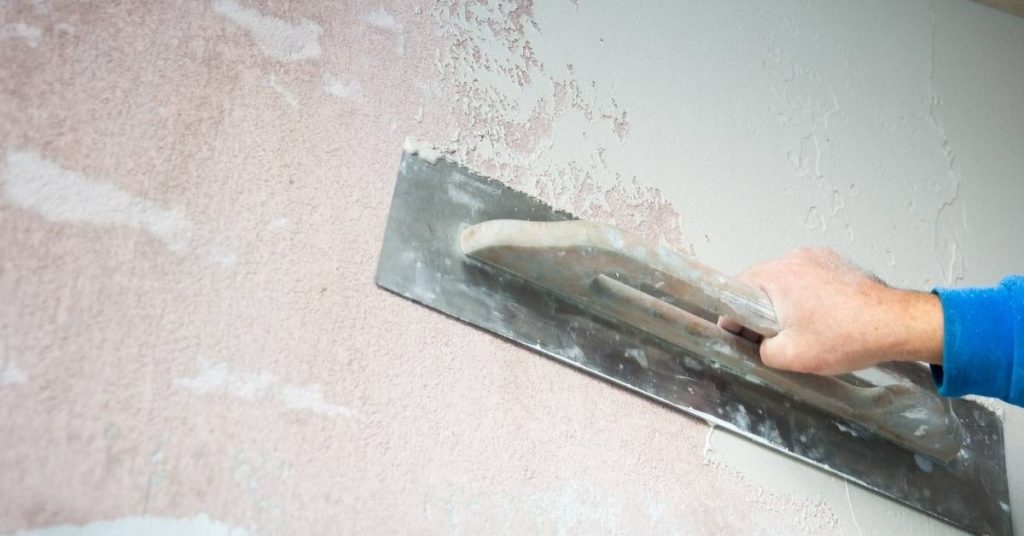
Hand smoothing lime plaster on wall with trowel

Lime Plaster in Basements: Moisture Testing, Vapor Drive, and Paint Choices

Introduction Lime plaster in basements is a breathable plaster finish that helps manage moisture. It relies on lime’s chemistry to let vapor pass while providing a durable coat. This DIY approach requires careful moisture testing and proper surface prep. Moisture testing, understanding vapor drive, and choosing compatible paints matter for long-term performance. Check product labels,

Lime Plaster in Basements: Moisture Testing, Vapor Drive, and Paint Choices Read More »

Woman painting kitchen cabinets brown with brush

Painting Brick Without Trapping Moisture: Mineral Paint vs Acrylic Reality

Introduction Mineral paint lets brick breathe and dry without trapping moisture. Acrylic finishes sit on the surface and can seal moisture in if the surface isn’t prepared or the weather isn’t right. In this article I’ll lay out practical, hands‑on steps so you know what to check before you paint. Before you buy, read the

Painting Brick Without Trapping Moisture: Mineral Paint vs Acrylic Reality Read More »

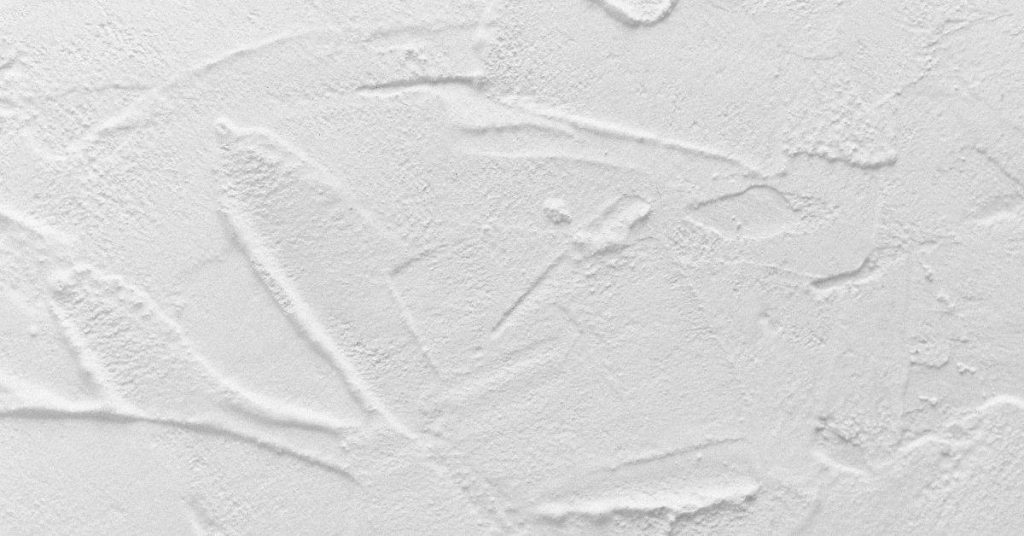
Close-up of textured white plaster surface

Flexible Caulks for Plaster Transitions: What Moves Without Staining

Introduction Flexible caulks for plaster transitions are sealants that move with the wall without staining. They help bridge gaps where plaster, drywall, and moldings meet. Choose a product labeled for interior use and compatible with plaster. In a DIY setup, prep clean edges, shape the bead, and smooth the joint with a damp finger. Always

Flexible Caulks for Plaster Transitions: What Moves Without Staining Read More »

close up of white textured hardwall plaster surface

Hairline Crazing in Hardwall Plaster: Surface Keying and Breathable Topcoats

Introduction Hairline crazing in hardwall plaster is fine cracks that form on the surface when the plaster dries and the finish isn’t keyed well enough for the next coat. It happens when the surface isn’t gripping the base layer, or small movements stress the top layers. The fix starts with proper surface keying and choosing

Hairline Crazing in Hardwall Plaster: Surface Keying and Breathable Topcoats Read More »

Man smoothing plaster on wall with float tool

Pozzolans in Lime Plaster: Metakaolin Tradeoffs for Strength and Workability

Introduction Pozzolans in lime plaster are reactive materials that improve set and workability when mixed with lime. Metakaolin is a common pozzolan used with lime plaster to balance strength and plasticity, but it can also affect curing and finish. In this intro, you’ll get a plain-language overview of what to expect when you mix metakaolin

Pozzolans in Lime Plaster: Metakaolin Tradeoffs for Strength and Workability Read More »