Search Results for: sidewalk pattern

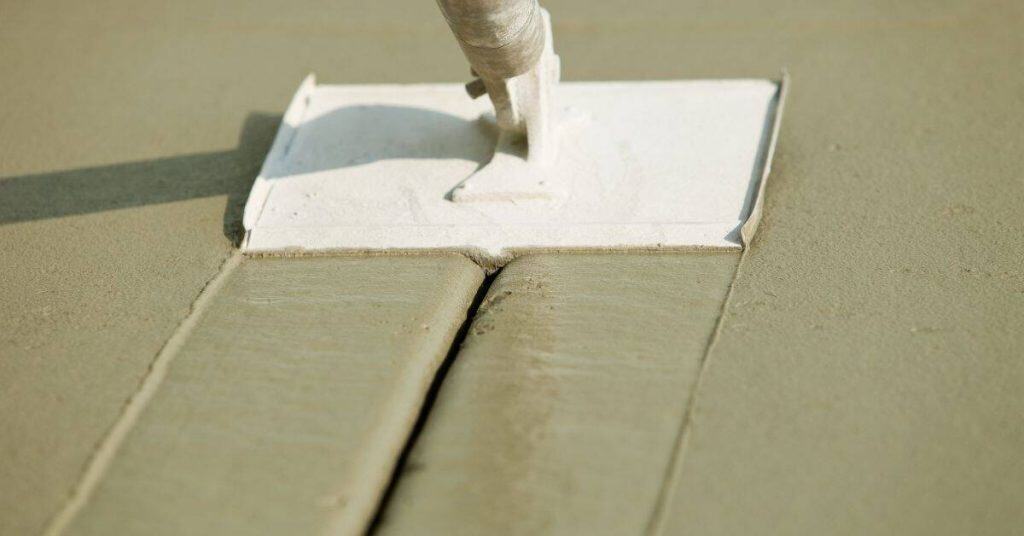
Tool smoothing control joint in wet concrete slab

Control Joint Spacing: Practical Layout Rules That Reduce Random Cracks

Introduction Control joints are planned cuts in concrete to control where cracks will form. Timing matters for saw cutting; cut while the concrete has cured enough to groove, but before random cracking starts. Plan spacing and layout based on the panel sizes you’re using and how the slab will be loaded throughout its life. Strategic

Control Joint Spacing: Practical Layout Rules That Reduce Random Cracks Read More »

Vintage clawfoot bathtub in white bathroom with tiled floor

Concrete Shrinkage Cracks Explained: Shrinkage, Settlement, and When to Worry

Introduction Shrinkage cracks are small splits in concrete that form as it dries and hardens. They often show up after pouring or settling, and they can run across slabs or near edges. Being aware of where they appear helps you decide if they’re a normal finish or a sign to watch closely. Identifying them means

Concrete Shrinkage Cracks Explained: Shrinkage, Settlement, and When to Worry Read More »

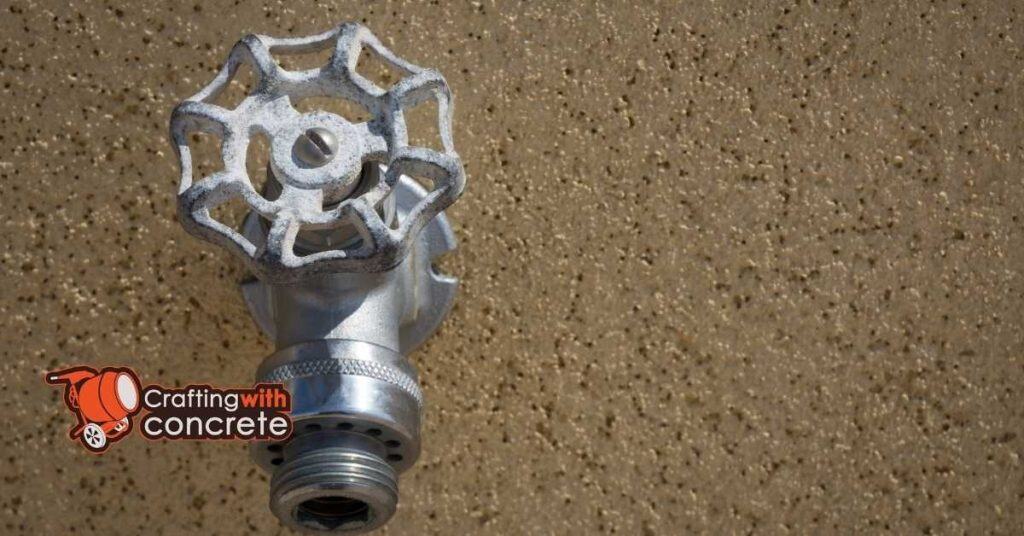
Outdoor metal hose bib mounted on brown stucco wall

Repairing Stucco Around Pipes and Hose Bibs: Patch Details That Don’t Leak

Introduction Repairing stucco around pipes and hose bibs means sealing cracks and gaps so water can’t leak into the wall where pipes and faucets pass through. This is a hands-on fix you can do with basic tools, mindful preparation, and flush paint-matched patches. Check that you’re using the right patch material for your climate and

Repairing Stucco Around Pipes and Hose Bibs: Patch Details That Don’t Leak Read More »

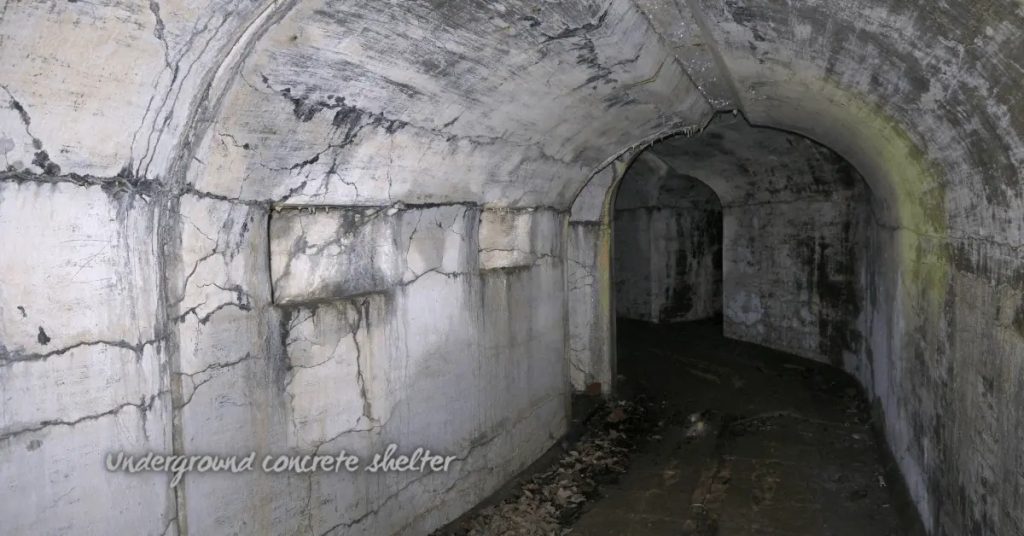
cracked concrete walls and ceiling of underground tunnel

Fixes for Worn Concrete — What to Check + Repair Options

Introduction Worn concrete is concrete that has lost surface quality or strength and should be checked and repaired rather than ignored. Look for cracks, spalling, scaling, discoloration, and any movement or moisture behind the slab. Repair options vary from clean patches and crack sealing to resurfacing, depending on how deep and widespread the wear is.

Fixes for Worn Concrete — What to Check + Repair Options Read More »

Loose rock salt crystals on a dark surface.

Why You Shouldn’t Use Salt on Concrete — What to Know + Why It Matters

Introduction Salt should not be used on concrete because it can damage the surface over time. It can draw moisture, cause scaling, and lead to pitting in some mixes. Before you apply anything, check your product label and follow local guidelines. If you must de-ice, choose alternatives and follow the product instructions for your situation.

Why You Shouldn’t Use Salt on Concrete — What to Know + Why It Matters Read More »

Concrete surface being grooved with a hand tool

Control Joints Vs Expansion Joints in Concrete: Placement, Spacing, and Timing

Introduction Control joints are deliberate grooves that control where cracks form, while expansion joints separate slabs to accommodate movement. In practice, placement is planned during finishing to guide cracking, and timing depends on how the concrete cures and hardens. Always check manufacturer instructions and local rules for any specific requirements. Spacing and type depend on

Control Joints Vs Expansion Joints in Concrete: Placement, Spacing, and Timing Read More »