Search Results for: sidewalk pattern

Concrete surface with small holes and surface pitting

Air Entrained Concrete: When it’s necessary and how to avoid surface pitting

Introduction Air entrained concrete is concrete that includes tiny air bubbles introduced by a special additive to improve its performance. These micro-bubbles help when water freezes and expands, reducing cracks in the slab. It’s a common choice for projects that sit outside or face temperature swings. Use is appropriate when you want a smoother surface

Air Entrained Concrete: When it’s necessary and how to avoid surface pitting Read More »

Black metal fence with gold decorative spikes close-up

Concrete Fibers Explained: Microfiber vs macrofiber and what each actually does

Introduction Concrete fibers are tiny reinforcing additives added to concrete to improve crack resistance and durability. Microfibers are very fine fibers that help control tiny cracks and plastic shrinkage, while macrofibers are larger and designed to increase toughness and impact resistance. In DIY terms, you’ll notice better handling and fewer tiny cracks, but you still

Concrete Fibers Explained: Microfiber vs macrofiber and what each actually does Read More »

Person spraying liquid on sealed concrete patio outdoors

Slip Resistance on Sealed Concrete: Safer traction without ruining the look

Introduction Slip resistance on sealed concrete means how much traction you get from a sealed surface to help prevent slips. Sealers are especially important around pool areas where water, soap, and wet feet are common. They also help prevent water damage and wear by sealing the pores, but you still need the right sealer for

Slip Resistance on Sealed Concrete: Safer traction without ruining the look Read More »

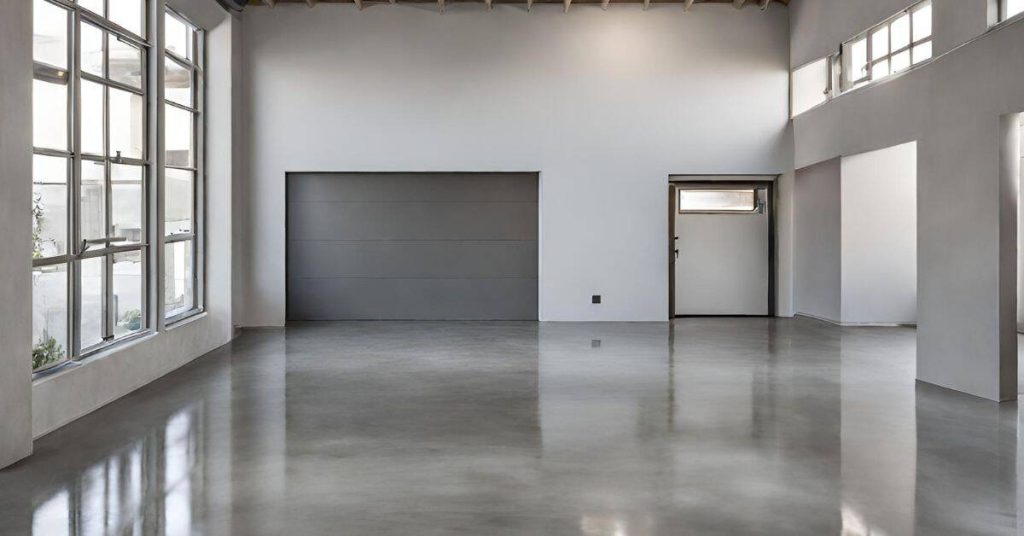
Empty room with polished concrete floor and large windows

Silane vs Siloxane Sealers: Which One Lasts Longer on Exterior Concrete

Introduction Silane and siloxane sealers are exterior concrete sealers designed to slow water intrusion and protect the surface. They differ in chemistry and how they protect the concrete, which affects longevity and maintenance. This article compares what to expect in real-world use, with practical tips for DIY projects. For durability, check the label and follow

Silane vs Siloxane Sealers: Which One Lasts Longer on Exterior Concrete Read More »

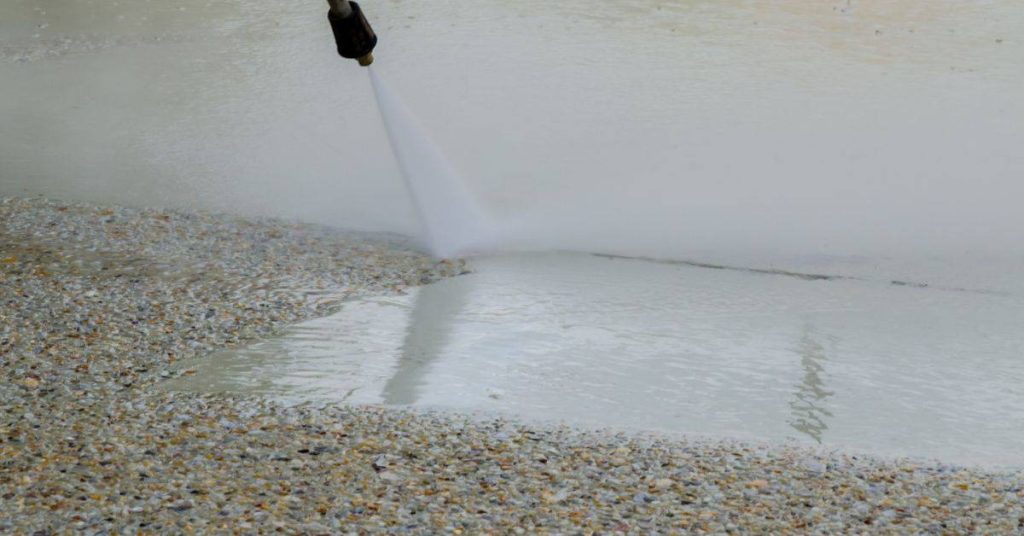
Pressure washing exposed aggregate concrete surface

Exposed Aggregate Finish: Timing, Washing, and Sealing for Long-Term Durability

Introduction Exposed aggregate finish is when you reveal the decorative rocks in fresh concrete by washing away the surface grout at the right time. Plan the pour with your exposure goal in mind, and monitor the surface as it firms so you can decide when to start washing. Have a clear sequence for washing, exposing

Exposed Aggregate Finish: Timing, Washing, and Sealing for Long-Term Durability Read More »

Stacked precast concrete beams covered with snow outdoors

Air-Entrained vs Non-Air-Entrained Concrete: What to Order for Freeze-Thaw Areas

Introduction Air-entrained concrete contains tiny, intentionally created air bubbles to help it survive freeze-thaw cycles, while non-air-entrained concrete does not have those bubbles and is denser. In plain jobsite terms: air-entrained mixes are commonly recommended where water can freeze inside the slab, and non-air-entrained mixes are used where freeze-thaw exposure is minimal or controlled. Check

Air-Entrained vs Non-Air-Entrained Concrete: What to Order for Freeze-Thaw Areas Read More »