Search Results for: sealing where walls meet floors

Person painting interior wall with roller near ceiling

Interior Paint Prep: 10 Simple Steps for Better Adhesion and Fewer Flaws

Introduction Interior paint prep means getting walls and nearby surfaces ready so paint sticks well and dries smooth. Start by clearing the room or work area and removing obstacles that block access to the walls. Then inspect for damage, peeling paint, or rough patches and plan any small fixes before you begin. Choose simple tools […]

Interior Paint Prep: 10 Simple Steps for Better Adhesion and Fewer Flaws Read More »

Close-up of horizontal lap siding painted beige

Paint Telegraphing: Why Old Repairs Show Through and How to Hide Them

Introduction Paint telegraphing is the visible outline or pattern of old repairs showing through fresh paint. It happens when the underlying repairs or textures are different from the surrounding wall. In this article we’ll cover why it happens and how to reduce or hide it during a DIY repaint. Causes include uneven patches, old joint

Paint Telegraphing: Why Old Repairs Show Through and How to Hide Them Read More »

Hand painting wall corner with roller

Wall Painting Checklist: What to Inspect, Measure, and Repair for a Lasting Finish

Introduction Wall painting checklist is a practical, step-by-step guide to inspect, measure, and repair walls before painting. It helps you spot cracks, peeling paint, stains, and uneven surfaces so you can plan the work. Use it to map prep steps, materials, and timelines so the finish lasts longer. If permits apply in your area, check

Wall Painting Checklist: What to Inspect, Measure, and Repair for a Lasting Finish Read More »

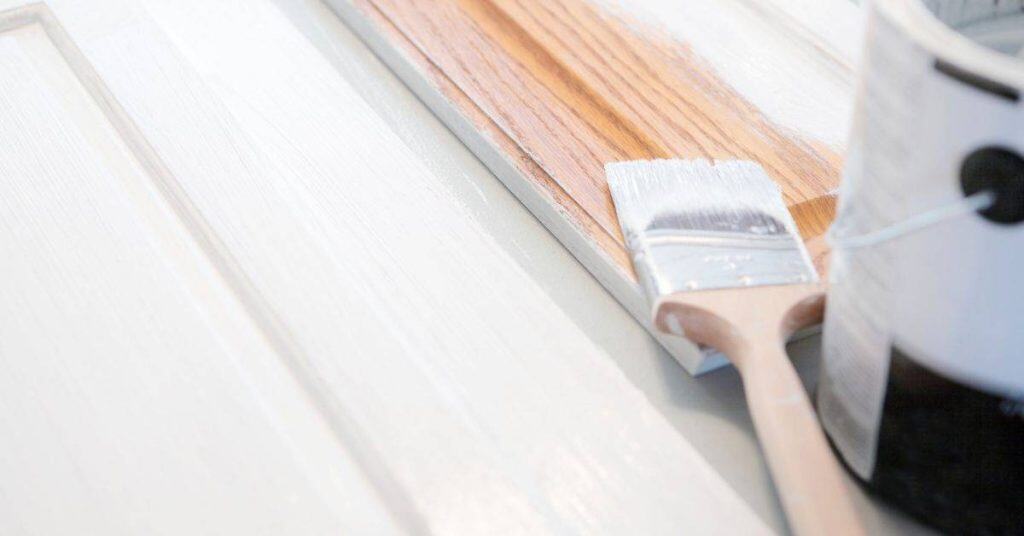
Paintbrush applying white paint on wooden cabinet panel

Avoid Painting Mistakes: Pro Tips for Prep, Cutting In, and Dry Times

Introduction painting well starts with proper prep, careful cutting in, and waiting for the right dry times. Key takeaways Prepare surfaces thoroughly; remove dust, repair holes, and sand glossy areas. Use painter’s tape correctly: apply edges with firm press and clean removal. Cut in slowly along edges, keeping a steady hand and consistent coat. Choose

Avoid Painting Mistakes: Pro Tips for Prep, Cutting In, and Dry Times Read More »

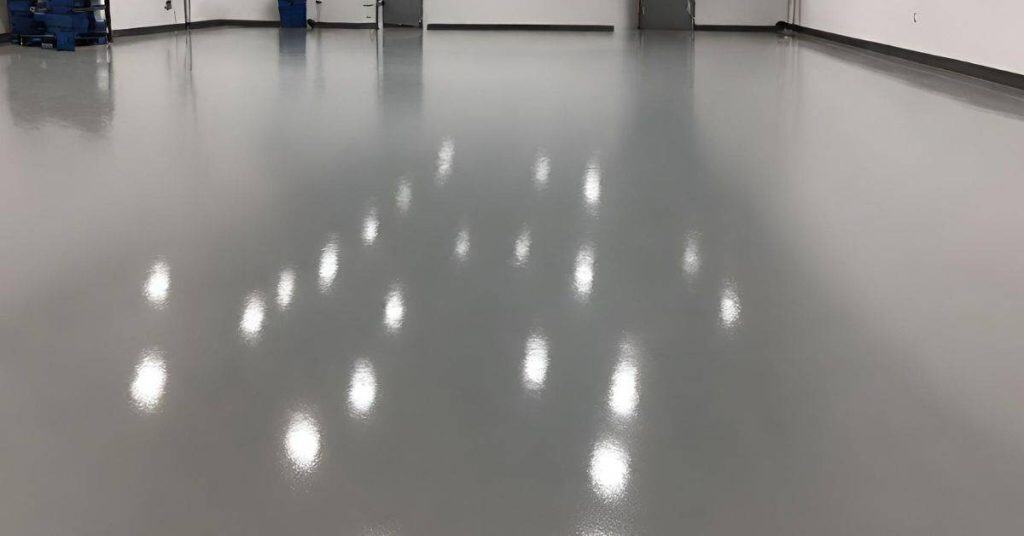
Reflective smooth gray epoxy coated floor in a room

How to Get Rid of Paint Smell: Ventilation, Absorbers, and Timing

Introduction Paint smell comes from volatile compounds released as paint dries. To cut odors quickly, open windows, set up good cross-ventilation, and run a fan to move fresh air through the space. Always check the paint label and any safety data for ventilation recommendations. Long-term odor elimination means letting the space cure in stages and

How to Get Rid of Paint Smell: Ventilation, Absorbers, and Timing Read More »

Decorative ceramic tiles with red and blue floral patterns

Fireplace Tile Ideas: Heat-Smart Layouts, Materials, and Details

Introduction Fireplace Tile Ideas are practical, heat-smart ways to dress up a fireplace with durable tile. In this guide, you’ll see solid layout ideas, material options, and finish details that hold up to heat and use. This is a hands-on, DIY-friendly overview you can apply in real rooms. Materials range from ceramic and porcelain to

Fireplace Tile Ideas: Heat-Smart Layouts, Materials, and Details Read More »

Partially removed tan stucco revealing brick wall underneath

Stucco Soft Spots at the Base: Diagnosing Capillary Wicking vs Leaks

Introduction Soft spots at the base of stucco usually indicate moisture intrusion, most commonly capillary wicking or a leak. Capillary wicking pulls moisture up from the ground through tiny openings in the stucco and underlying plaster. Leaks come from gaps, cracks, or failed flashings letting water in. To tell them apart, look for wetness patterns,

Stucco Soft Spots at the Base: Diagnosing Capillary Wicking vs Leaks Read More »

Paint roller applying white paint to a wall corner

Paint Roller Technique: Cleaner Coverage, Fewer Lines, Better Edges

Introduction Paint roller technique is the method of rolling paint to get clean coverage and fewer lines. Choose the right roller for the job by considering nap length, surface texture, and paint type, then prep the surface by cleaning, patching, and lightly sanding. Check product labels or manufacturer instructions to confirm nap size and compatible

Paint Roller Technique: Cleaner Coverage, Fewer Lines, Better Edges Read More »