Search Results for: sealing where walls meet floors

Bucket with mortar mixing paddle and hand tools inside

Grout vs Mortar vs Thinset: Picking the Right Material for Each Job

Introduction Grout, mortar, and thinset are three distinct masonry materials used for different jobs: grout fills gaps between tiles, mortar binds bricks or blocks, and thinset is a cement-based adhesive for setting tiles. In DIY work, choose based on whether you need bonding, filling, or leveling, and adjust for indoor vs outdoor use. Standard blends […]

Grout vs Mortar vs Thinset: Picking the Right Material for Each Job Read More »
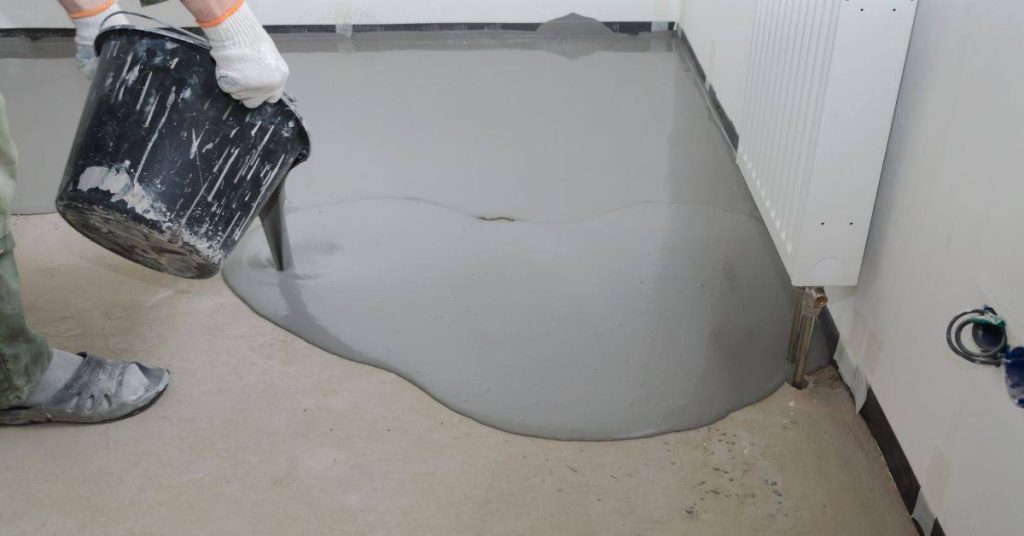
person pouring wet concrete on floor near radiator

Self-Healing Concrete Additives: What’s Real, What’s Marketing, and DIY Alternatives

Introduction Self-healing concrete is concrete that can seal small cracks on its own after curing. In practice, it uses embedded additives or microcapsules that release healing agents when cracks form. How well it works depends on your mix, curing conditions, and the product instructions you follow, so always read labels and follow manufacturer guidance. Self-healing

Self-Healing Concrete Additives: What’s Real, What’s Marketing, and DIY Alternatives Read More »

Open metal gate with stone pillars and green landscape

How to Store Bagged Concrete: Moisture Damage, Shelf Life, and Best Practices

Introduction Storing bagged concrete means keeping the bags dry, off the ground, and protected so the mix remains usable when you need it. Moisture damage is the big risk, since humidity or leaks can turn dry premixed concrete clumps or weaken the mix. Check the bag labels and manufacturer instructions for any shelf life guidance,

How to Store Bagged Concrete: Moisture Damage, Shelf Life, and Best Practices Read More »

Black and white marble tile surfaces

Tadelakt vs Tile: Where Tadelakt Works, Where It Fails, and What to Use Instead

Introduction Tadelakt is a traditional lime plaster finish used on walls and wet areas. This article offers a plain‑spoken look at where it works well, where it doesn’t, and what you should consider as a DIYer. We cover the basic idea of applying it, the materials you’ll need, and when tiling might be a safer

Tadelakt vs Tile: Where Tadelakt Works, Where It Fails, and What to Use Instead Read More »

Blue swimming pool water next to exposed aggregate concrete edge

Capillary Break Under Slabs: Materials, Foam-Glass Options, and Edge Details That Work

Introduction A capillary break under slabs is a layer or treatment that stops water from wicking from the soil into the concrete. In plain terms, it keeps moisture away from the slab to prevent dampness and cracking. Choose a method and materials that fit your climate and slab design. Foam-glass options can be used as

Capillary Break Under Slabs: Materials, Foam-Glass Options, and Edge Details That Work Read More »

Concrete floor grinding machine on dusty floor surface

Foamed Concrete for Insulation: Common Failures, Protection Details, and When to Avoid It

Introduction Foamed concrete for insulation is lightweight concrete that includes air voids or foam to slow heat transfer. This article gives a practical, hands-on overview for DIY homeowners. It helps you know what to check on labels or with the manufacturer before you mix or apply it. Common failures include moisture intrusion, cracking, and poor

Foamed Concrete for Insulation: Common Failures, Protection Details, and When to Avoid It Read More »

Man smoothing plaster on wall with float tool

Hempcrete Retrofits for Insulation: Detailing to Avoid Moisture Traps and Mold

Introduction Hempcrete retrofits for insulation are a breathable, lime-based mix used to insulate while letting moisture escape. This approach helps slow heat loss and reduce moisture traps if installed with proper detailing. Work with the material by keeping joints open to airflow and following manufacturer or local guidance. Plan for surface prep, air sealing, and

Hempcrete Retrofits for Insulation: Detailing to Avoid Moisture Traps and Mold Read More »

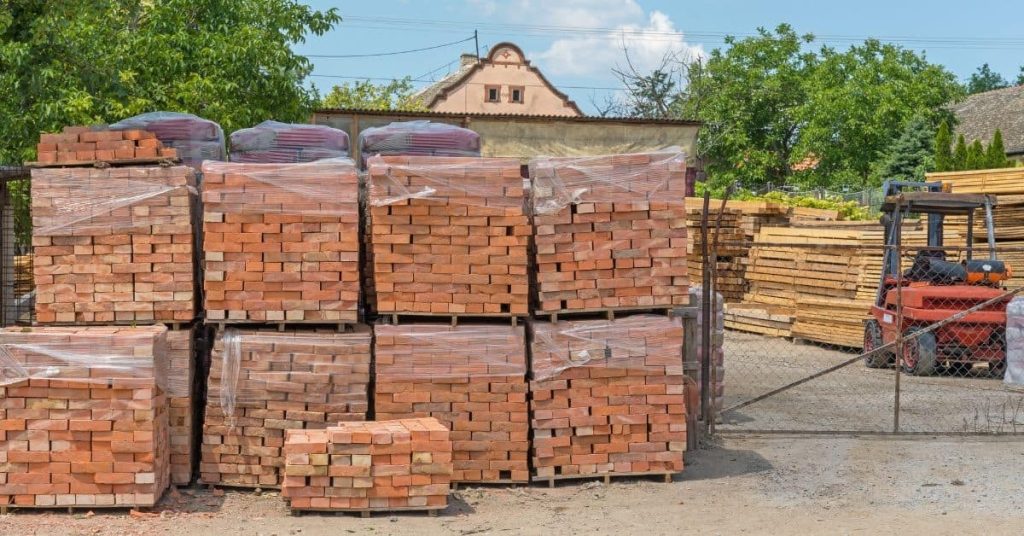
Stacks of red bricks wrapped on wooden pallets outdoors

Alternative Building Materials Compared: Hempcrete, Limecrete, Rammed Earth, and Geopolymer

Introduction This article compares hempcrete, limecrete, rammed earth, and geopolymer concrete as alternative building materials. In plain terms, these are non-traditional mixes and methods used for walls, floors, and envelopes in DIY projects. If you’re planning a project, check product labels, manufacturer instructions, and local rules for guidance on handling, curing, and compatibility with other

Alternative Building Materials Compared: Hempcrete, Limecrete, Rammed Earth, and Geopolymer Read More »