Search Results for: sealer

Close-up of drill bit covered in reddish dust on powder surface

Shot Blasting for DIY? Rental Options, Dust Control, and When It’s Worth It

Introduction Shot blasting is a surface preparation method that uses high-velocity abrasive to clean and roughen a surface. For DIY projects, you can rent equipment and compare how it fits your time, budget, and safety plan. Always check the operator’s manual and local rules for ventilation and containment before you start. There are walk-behind, self-propelled, […]

Shot Blasting for DIY? Rental Options, Dust Control, and When It’s Worth It Read More »

Close-up of rough textured concrete surface showing small pebbles

Concrete Surface Profile (CSP): What It Means and How to Achieve It

Introduction CSP, or Concrete Surface Profile, is the roughness pattern of a freshly poured concrete surface that helps coatings grab hold. It describes how the top layer is prepared to receive a finish. You’ll influence it by how you treat the surface during finishing and, if needed, with light grinding or etching to adjust texture.

Concrete Surface Profile (CSP): What It Means and How to Achieve It Read More »

Concrete countertop with integrated sink and black faucet

Concrete Countertop Forms: Melamine vs Plastic vs Silicone Edges (Best Options)

Introduction Edge forms for a concrete countertop include melamine, plastic, and silicone options that shape and support the pour as it cures. Each type offers a different surface finish and release feel, so you’ll want to align your choice with the project needs. Always check the product label and manufacturer instructions, and confirm any local

Concrete Countertop Forms: Melamine vs Plastic vs Silicone Edges (Best Options) Read More »

Metal formwork panels for concrete pouring

Concrete Countertop Reinforcement: Steel vs Glass Fiber vs Carbon (What Works)

Introduction Concrete countertop reinforcement is choosing between steel, glass fiber, or carbon fiber to improve strength and crack resistance. In practice, steel is traditional and familiar, but it requires careful corrosion protection and placement so it doesn’t rust in a damp finish. Glass fiber mesh and carbon fiber options can save weight and simplify installation,

Concrete Countertop Reinforcement: Steel vs Glass Fiber vs Carbon (What Works) Read More »

Close-up of cracked concrete surface with multiple fissures

Cold-Applied Crack Fillers: Which Ones Work and Which Wash Out

Introduction Cold-applied crack fillers are products you can apply at room temperature to seal cracks without using heat. Key takeaways Choose filler types by crack width, substrate, and expected movement. Verify weather suitability and cure times against manufacturer instructions before mixing. Prepare surfaces: clean, dry, and free of loose material prior to application. Apply with

Cold-Applied Crack Fillers: Which Ones Work and Which Wash Out Read More »

Close-up of rough gray concrete wall surface

Backer Rod Sizing: How to Pick the Right Diameter for Concrete Joints

Introduction Backer rod sizing is choosing the right diameter to fit behind concrete joints before filling. For DIY projects, pick a diameter that fits the joint and leaves a small gap for the sealant. Always check the product label or manufacturer instructions for the recommended diameter for your joint, and measure the actual gap on

Backer Rod Sizing: How to Pick the Right Diameter for Concrete Joints Read More »

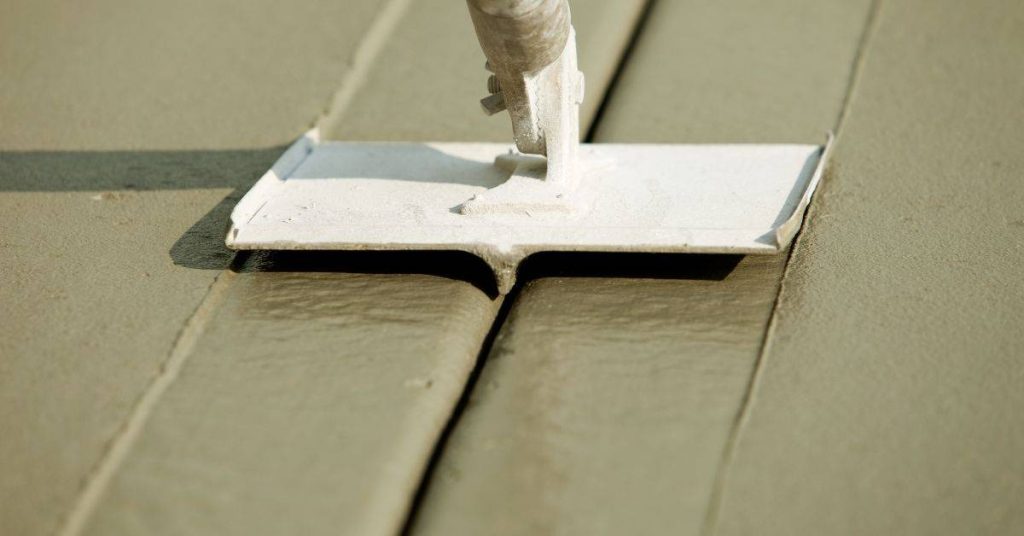
Tool smoothing fresh concrete joint on pavement

Concrete Joint Sealant: Polyurethane vs Silicone (Where Each Belongs)

Introduction Polyurethane and silicone are two sealing options for concrete joints, each suited to different jobs. Polyurethane tends to be tougher and more resistant to movement, while silicone seals stay flexible longer in some conditions. This article compares when to use each, in plain terms you can apply at home. There are practical restrictions to

Concrete Joint Sealant: Polyurethane vs Silicone (Where Each Belongs) Read More »

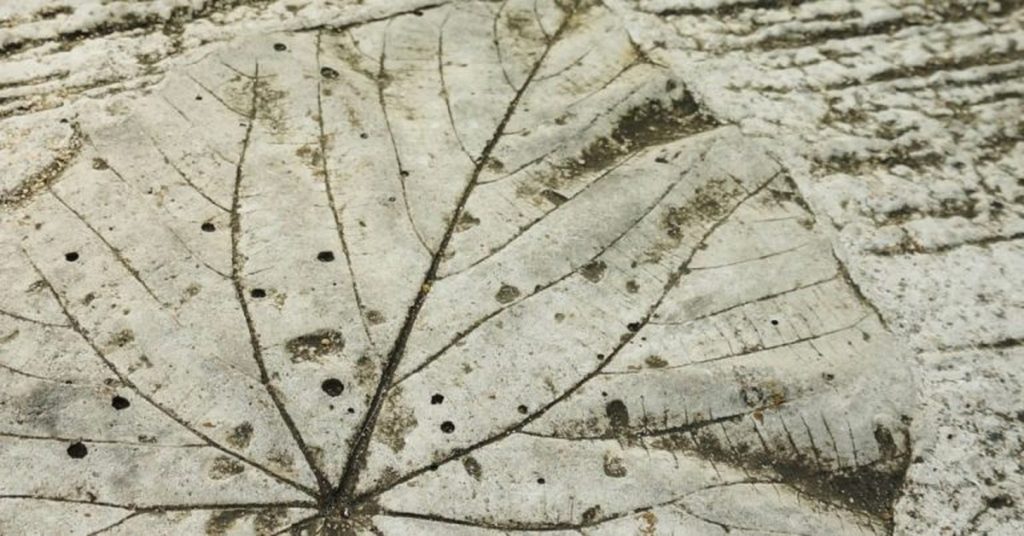
Leaf imprint and stains on a concrete surface

Leaf Stains on Concrete: Why They Happen and How to Remove Them

Introduction Leaf stains are usually tannins and other plant pigments left behind when wet leaves sit on concrete. On porous, unsealed concrete, the discoloration can move below the surface; on sealed, painted, decorative, or damaged concrete, the bigger concern is choosing a cleaner that will not alter the finish. Start with dry leaf removal, a

Leaf Stains on Concrete: Why They Happen and How to Remove Them Read More »