Search Results for: seal brick

closeup of textured light gray stucco wall surface

Sprinkler Damage on Stucco: Salt, Staining, and Long-Term Protection

Introduction Sprinkler damage on stucco is the salt and water-related staining and surface effects caused by sprinkler spray. Sprinkler spray can leave salty deposits, efflorescence, and moisture issues on stucco. This article covers how to spot salt staining, what causes it, and why sealing can help protect the surface. Look for white, powdery deposits, dark […]

Sprinkler Damage on Stucco: Salt, Staining, and Long-Term Protection Read More »

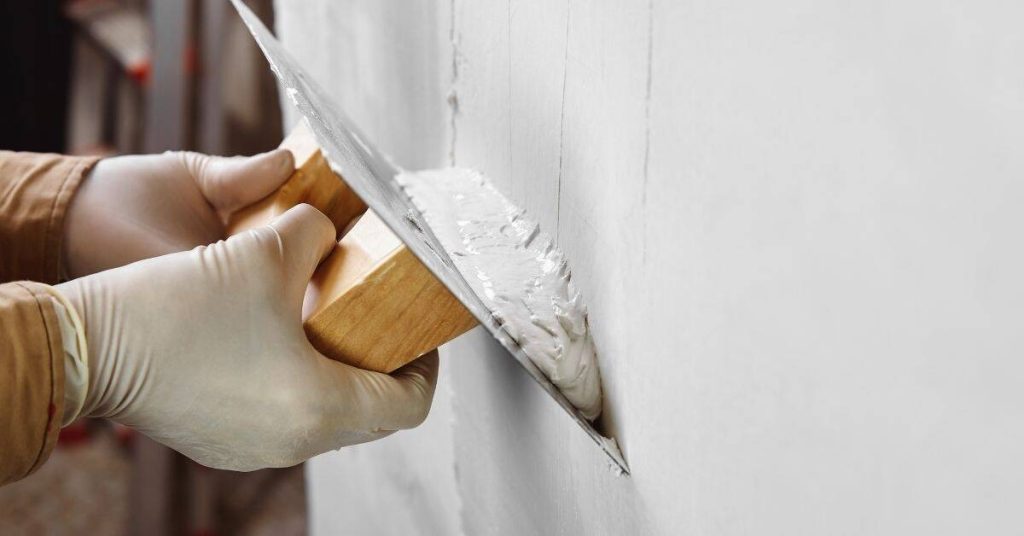
Worker smoothing plaster on wall with trowel

Curved Wall Plaster Repairs: Feathering Without Creating Flat Spots

Introduction Feathering curved wall plaster repairs means blending new plaster into a curved surface so the seam disappears. Keep the edges thin and gradually widen the feather so you don’t leave a detectable transition. Check the work by stepping back and looking for a consistent curve and light reflections. Use a light touch and work

Curved Wall Plaster Repairs: Feathering Without Creating Flat Spots Read More »

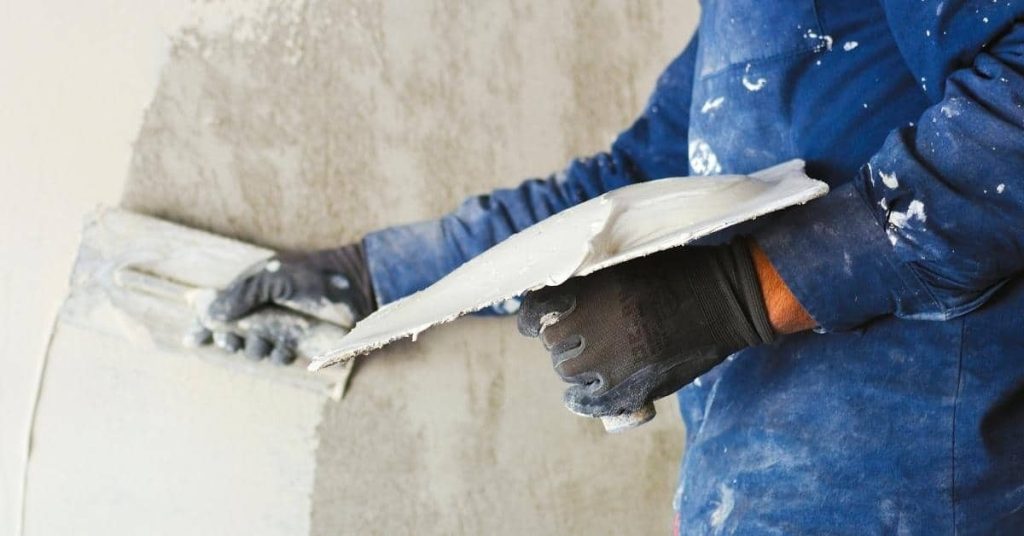
Person applying fresh plaster to wall with trowel and hawk

When Plaster Cracks Matter: Cosmetic Lines vs Movement Red Flags

Introduction Cosmetic cracks are fine, non-structural lines that don’t indicate movement. Movement-related cracks show ongoing change in the wall and may signal settlement or moisture problems. In DIY terms, sturdy plaster can crack from drying or shrinkage, but bigger concerns require closer checks for movement. Visual signs to watch include hairline cracks that stay the

When Plaster Cracks Matter: Cosmetic Lines vs Movement Red Flags Read More »

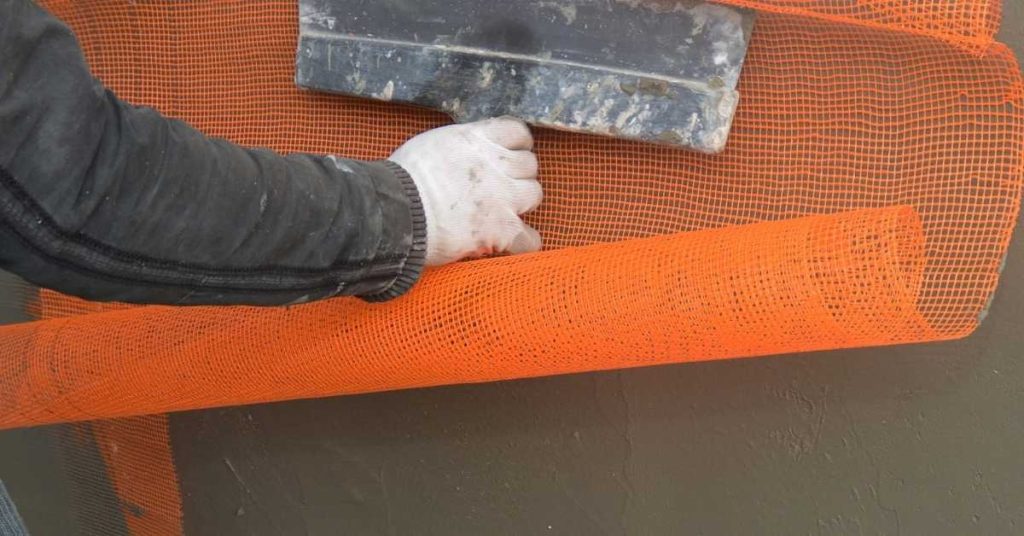
Person applying orange fiberglass mesh onto wet stucco surface

Cracks Over Framing in Stucco: Reinforcement Mesh Patterns That Actually Hold

Introduction Reinforcement mesh helps prevent cracks where stucco meets framing. Different mesh patterns distribute movement across a crack and across corners, so choose one that fits your wall and framing. Always check manufacturer and local guidance for mesh type, installation height, and any soak-in or primer requirements. For a DIY install, plan your mesh pattern

Cracks Over Framing in Stucco: Reinforcement Mesh Patterns That Actually Hold Read More »

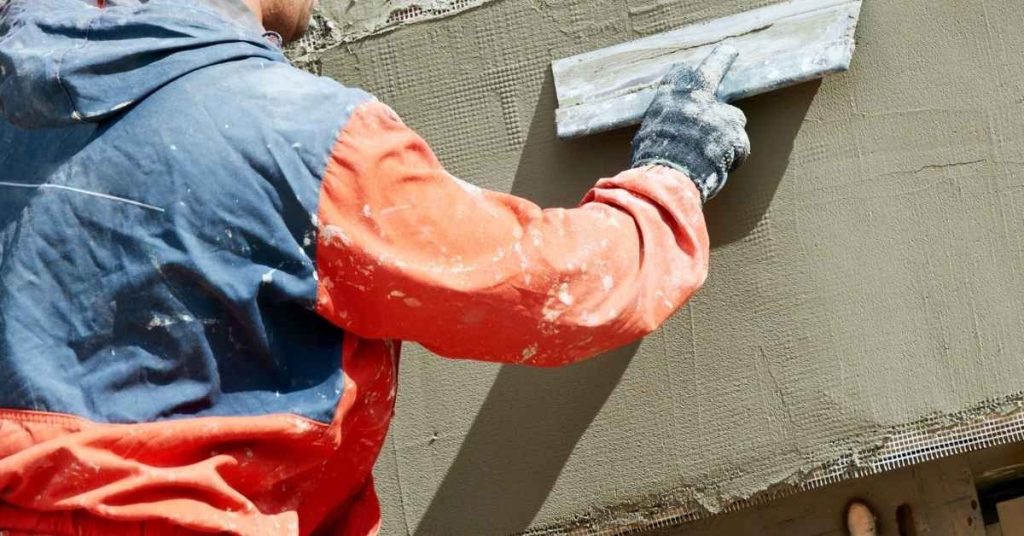
Person applying stucco to wall with trowel

Stucco Window Sills Done Right: Slope, End Dams, and Rot Prevention

Introduction This is about making stucco window sills that shed water properly and resist rot. You’ll focus on the right slope, install end dams, and plan for long-lasting rot prevention. Tackle it like a practical DIY project with common tools and careful flashing. Choose materials and details that stand up to moisture, and verify with

Stucco Window Sills Done Right: Slope, End Dams, and Rot Prevention Read More »

Vinyl plank flooring pieces and tools on concrete floor

Supplementary Cementitious Materials for Efflorescence Control: What Actually Reduces Salts

Introduction Supplementary Cementitious Materials reduce efflorescence by limiting the salts that migrate to the surface. They work with the cement mix to slow water movement and bind minerals. In DIY terms, think of them as additives that help the concrete breathe less and stay drier. Efflorescence is the white, powdery salt that shows up on

Supplementary Cementitious Materials for Efflorescence Control: What Actually Reduces Salts Read More »

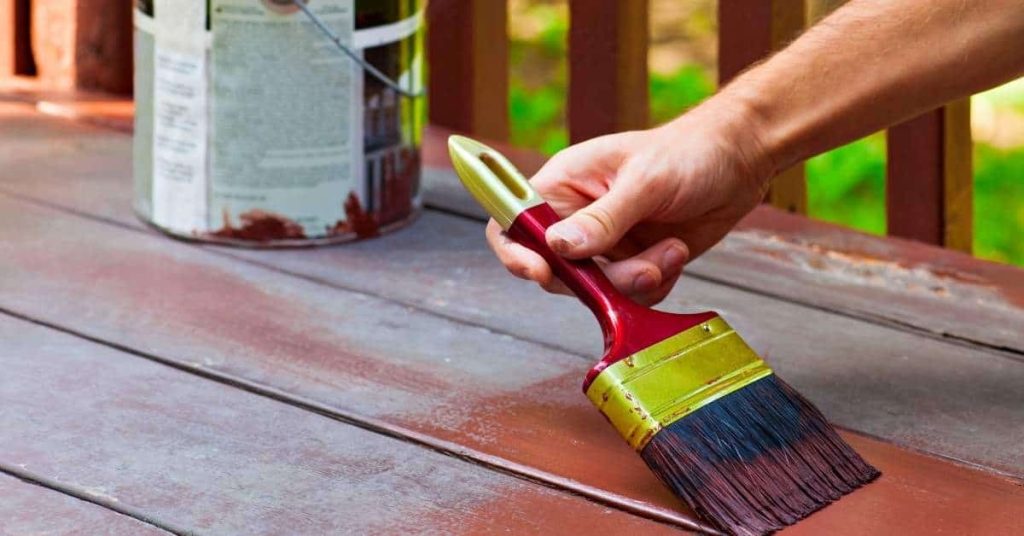
Hand painting wooden deck with red paint and brush

How to Paint When Nights Are Cold: Dew, Condensation, and Why Morning Painting Sometimes Fails

Introduction Cold nights create dew and condensation that can sabotage paint adhesion. If you paint when surfaces are damp or the surface is cooling through the night, you risk cloudy finishes and peeling. This article explains practical checks and timing to avoid those problems. To plan smartly, check the forecast and test surfaces for moisture

How to Paint When Nights Are Cold: Dew, Condensation, and Why Morning Painting Sometimes Fails Read More »

Worker spraying white paint on an indoor wall wearing protective gear

Painting Before Rain: Minimum Dry Times by Paint Type and How to Avoid Wash-Off

Introduction Painting before rain means choosing the paint and applying it so it dries before expected rain, following the type’s minimum dry time. Dry times vary by paint type and conditions, so always read the label for the minimum Dry Time. Weather, humidity, and surface prep affect it. To avoid wash-off, apply only when you

Painting Before Rain: Minimum Dry Times by Paint Type and How to Avoid Wash-Off Read More »

Close-up of rough concrete wall with wood formboard texture

Fresco vs Limewash: What’s Actually Possible on Fresh Lime Plaster and What Isn’t

Introduction Fresco and limewash are two ways to finish fresh lime plaster, but they work differently and have different limits. Fresco is typically applied with the plaster while it’s still workable, while limewash is painted on after some setting. What you can actually do depends on the mix, moisture in the wall, and local guidance—check

Fresco vs Limewash: What’s Actually Possible on Fresh Lime Plaster and What Isn’t Read More »