Search Results for: screed bead

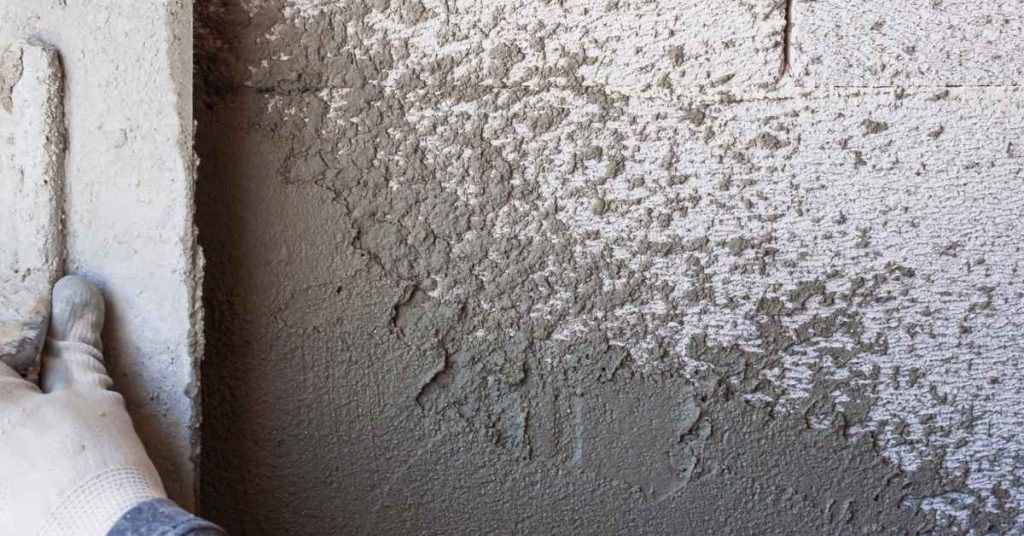
Man smoothing plaster on wall with float tool

How to Get Dead-Flat Plaster Walls: Straightedge Checks and Build-Up Strategy

Introduction Getting dead-flat plaster walls means using straightedge checks and a stepwise build-up of layers until any high or low spots are leveled out. It’s a practical process of finding the worst deviations, feathering in material, and rechecking with a straightedge until the surface reads flat to the eye and tool. Expect to use joint […]

How to Get Dead-Flat Plaster Walls: Straightedge Checks and Build-Up Strategy Read More »
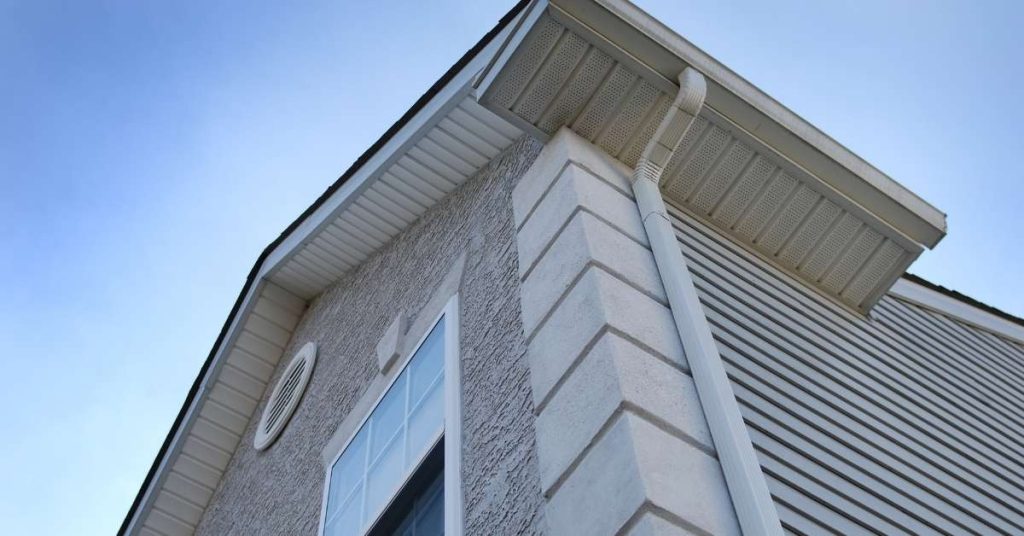
Close-up of exterior corner with stucco finish and siding

Stucco expansion gaps at slab lines: why they crack and how to detail the break

Introduction Expansion gaps at slab lines are deliberate spaces that allow concrete and stucco to move with temperature and moisture changes. They help prevent cracks by giving seams somewhere to open and close without telegraphing through the finish. Cracking often occurs when gaps are too small, poorly located, or not sealed properly over time. Detailing

Stucco expansion gaps at slab lines: why they crack and how to detail the break Read More »

Close-up of stucco edge with foam insulation and sealant

Bottom edge stucco moisture wicking: diagnosing capillary rise and fixing the drainage plane

Introduction Bottom-edge stucco moisture wicking occurs when capillary rise pulls moisture from the foundation into the lower stucco courses. This guide helps you spot the signs and understand why the drainage plane matters. Look for damp patches, staining, softening, or peeling where the stucco meets the foundation, and check for poor drainage or blocked weep

Bottom edge stucco moisture wicking: diagnosing capillary rise and fixing the drainage plane Read More »

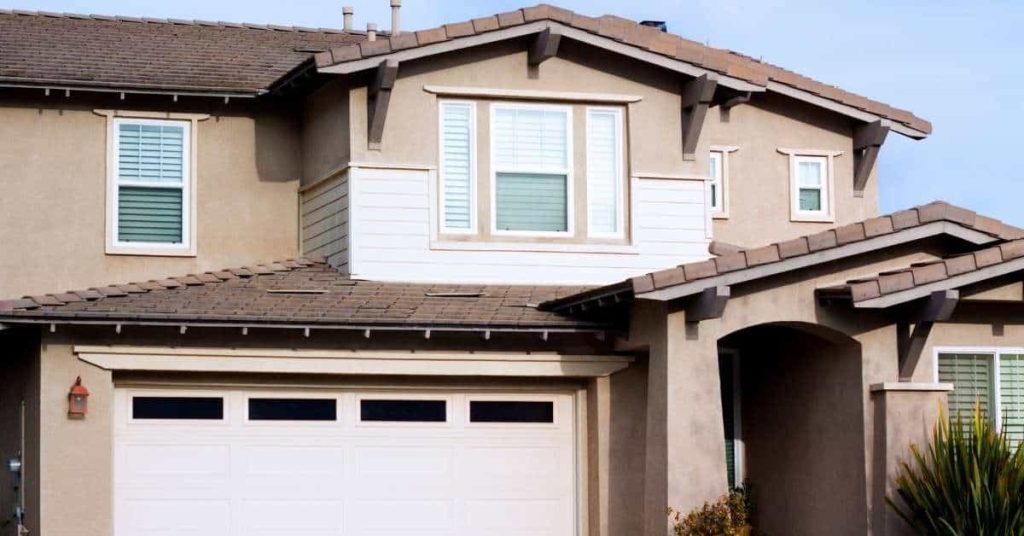
Two-story stucco house exterior with windows and garage door

Stucco termite inspection gaps: keeping clearances without leaving raw edges

Introduction Stucco Gap Inspection and Repair To minimize termite access, keep gaps around stucco clear while preventing exposed raw edges. Inspect edges, corners, and joints where stucco meets other materials regularly. Focus on these areas: Stucco-to-stucco joints Stucco-to-frame connections Stucco-to-foundation interfaces Upon discovering gaps, repair them neatly using suitable flashing or backer materials and compatible

Stucco termite inspection gaps: keeping clearances without leaving raw edges Read More »

Gloved hand applying stucco scratch coat on lath

Stucco scratch coat keying: getting bite on lath without overworking the mix

Introduction Keying the scratch coat means creating a rough, gripping surface on the lath so the plaster adheres without excessive manipulation. It gives the base a bite that helps the next layer hold. Start with thorough surface preparation: clean and dampen the lath so dust is removed and the surface isn’t drawing moisture too quickly.

Stucco scratch coat keying: getting bite on lath without overworking the mix Read More »

Unfinished multi-story concrete building structure outdoors

Self-leveling overlays on concrete: dams, primers, and stopping pinholes and ripples

Introduction Self-leveling overlays are pourable surface toppings designed to flow into low spots and produce a flat, smooth concrete surface. They rely on proper surface preparation, containment dams at edges, and primer or bond agents to promote adhesion. Always follow the material manufacturer’s instructions for mixing, compatibility with the concrete, and cure requirements. Before you

Self-leveling overlays on concrete: dams, primers, and stopping pinholes and ripples Read More »

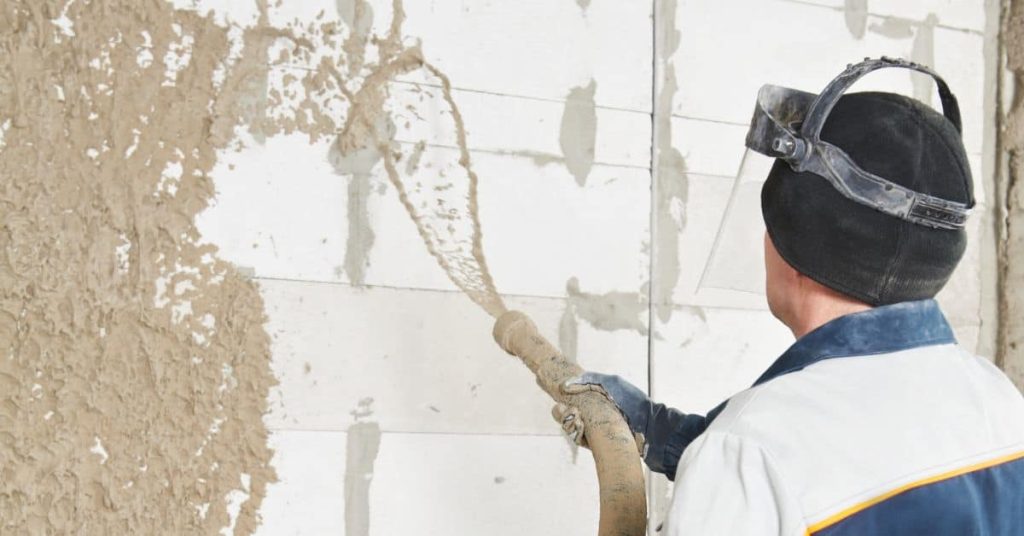
Worker spraying wet stucco onto wall surface

Clear Breathable Sealers for Colored Stucco: When to Seal and When to Leave It Alone

Introduction Clear breathable sealers let moisture escape from stucco while preserving its color. As a DIYer, you want to understand when a finish is appropriate and when it’s better to skip it. This article gives a practical, hands-on view of sealing colored stucco without turning it into a mystery. Surface prep matters: clean, dry, and

Clear Breathable Sealers for Colored Stucco: When to Seal and When to Leave It Alone Read More »

bucket with plastering tools on wet surface outdoors

Tadelakt for DIY Bathrooms: Burnishing, Waxing, and Details That Prevent Failure

Introduction Tadelakt is a traditional lime plaster finish used in bathrooms that you burnish and wax to create a smooth, water-resistant surface. This article covers the key steps you can do yourself, like burnishing and applying wax, and the details that help prevent failure. Keep in mind that proper preparation and careful curing are essential

Tadelakt for DIY Bathrooms: Burnishing, Waxing, and Details That Prevent Failure Read More »

Stone column bases and brick wall with light reflections

Brick Chimney Crown Repairs: Why Crowns Crack and How to Form Better Ones

Introduction A brick chimney crown is the concrete cap that sits on top of a brick chimney and keeps water out. Cracks show that the crown is failing and needs attention to prevent water damage. In this DIY guide, you’ll learn a practical, hands-on approach to inspecting, preparing, and forming a better crown. Always check

Brick Chimney Crown Repairs: Why Crowns Crack and How to Form Better Ones Read More »

close-up of rough textured coarse stucco surface

Stucco Terminations at Patios: Splashback Zones, Capillary Breaks, and Grade Fixes

Introduction Stucco terminations at patios are the edge details that stop water and keep finishes from failing. They cover splashback zones, capillary breaks, and grade-related fixes in practical terms. Look to manufacturer guidance for any specific installation steps or local rules. You may see alternate terms for these details like termination trims or kickouts. Make

Stucco Terminations at Patios: Splashback Zones, Capillary Breaks, and Grade Fixes Read More »