Search Results for: scarifying

Hand applying textured plaster to wall with trowel

Plaster Feather Edges That Don’t Flake: A Step-by-Step Timeline

Introduction Feathering plaster edges that won’t flake requires careful timing and planning. Each step builds on the previous one, so understanding the timeline is crucial for a successful outcome. In this guide, we’ll walk you through the process, breaking down each stage by time, so you can complete your project efficiently and achieve durable, long-lasting […]

Plaster Feather Edges That Don’t Flake: A Step-by-Step Timeline Read More »

Stacked hollow core concrete slabs showing open cores

Concrete pH Testing for Paint and Coatings: A Step-by-Step Timeline of DIY Methods

Introduction Before you start painting or coating your concrete surfaces, it’s crucial to test the pH level to ensure optimal adhesion. But how long does this process take? Let’s break down a simple timeline for concrete pH testing using DIY methods. The entire process can be completed in less than an hour, but proper planning

Concrete pH Testing for Paint and Coatings: A Step-by-Step Timeline of DIY Methods Read More »

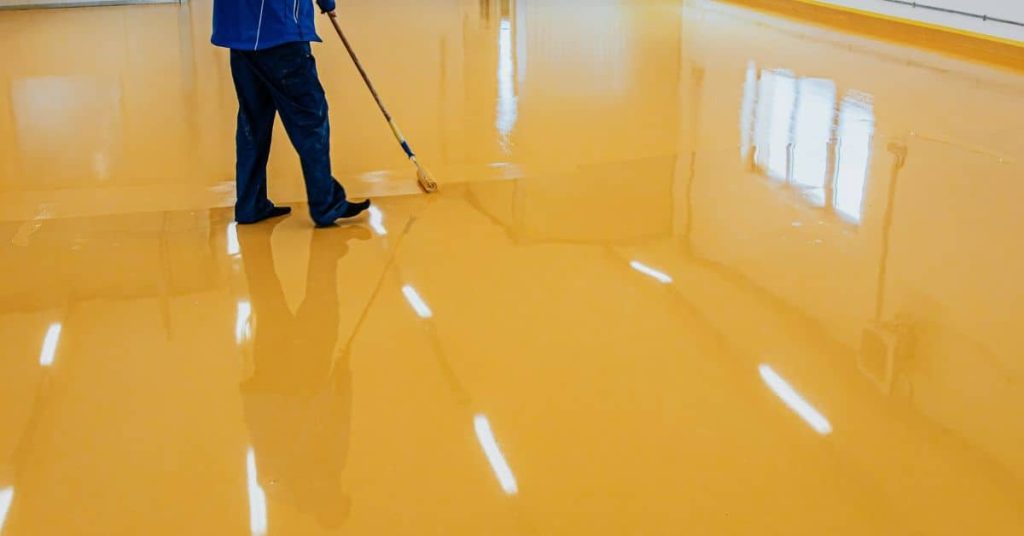
Person applying yellow epoxy coating on garage floor

Painting a Garage Floor: Epoxy vs Polyurea vs Polyaspartic Systems Compared

Introduction Painting a garage floor means choosing between epoxy, polyurea, and polyaspartic systems based on what you need: epoxy is durable and affordable but slower to cure, polyurea is extremely tough and fast-curing, and polyaspartic sits between them with quick return-to-service and good UV resistance; check product labels and manufacturer instructions for exact cure times

Painting a Garage Floor: Epoxy vs Polyurea vs Polyaspartic Systems Compared Read More »

Concrete slurry being poured onto dry concrete surface

Concrete Bonding Slurry Done Right: Ratios, Timing, and Why It Fails

Introduction Concrete bonding slurry is a thin mix used to make new concrete or patch material stick to old concrete by creating a paste-like contact coat. It’s about getting the right cement-to-water consistency and timing the application so the slurry is tacky when you press the repair over it. Check product labels or manufacturer instructions

Concrete Bonding Slurry Done Right: Ratios, Timing, and Why It Fails Read More »

Liquid concrete pouring onto rough concrete slab

Concrete Overlay Over Old Broom Finish: How to Lock Down Loose Sand and Prevent Delamination

Introduction Locking down loose sand and preventing delamination means preparing a broom-finished surface so the new overlay bonds firmly without peeling. Start by cleaning the surface, removing dust and loose particles with a stiff brush and a vacuum. Check the old slab for cracks and moisture and address any defects before proceeding. Choose a compatible

Concrete Overlay Over Old Broom Finish: How to Lock Down Loose Sand and Prevent Delamination Read More »

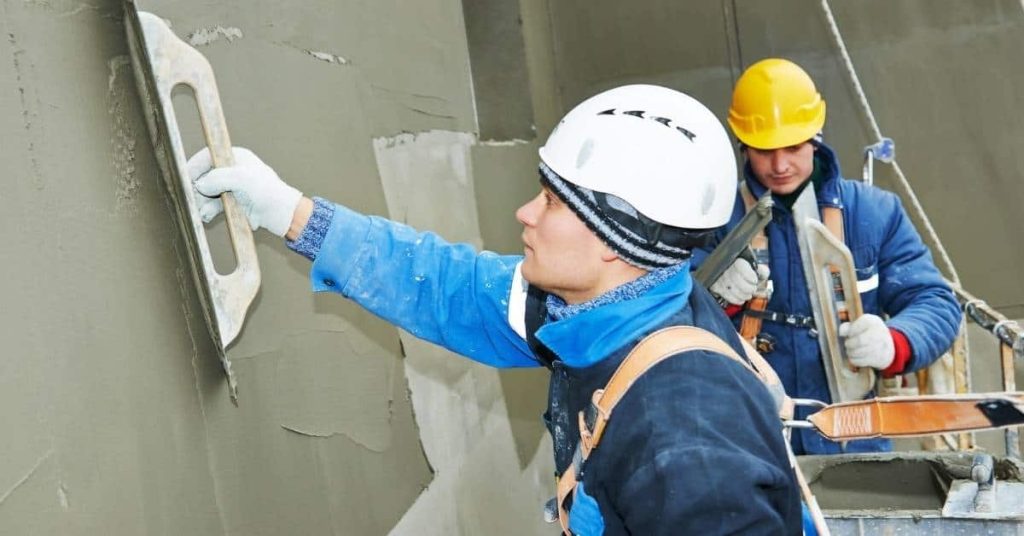
Two construction workers applying stucco to exterior wall

Dash Finish Stucco Repair: Getting Consistent Throw Without Overbuilding Thickness

Introduction Dash finish stucco repair means rethrowing a coarse mix so it keys to the patch without building the wall thickness beyond the original surface. Think of it as matching texture by controlling how far and thick each throw lands rather than piling on extra material. Check product labels and local practices for compatible scratch/base

Dash Finish Stucco Repair: Getting Consistent Throw Without Overbuilding Thickness Read More »

Concrete surface with visible fine crack and discoloration

Concrete Surface Laitance: How to Spot It, Remove It, and Prevent It Next Time

Introduction Concrete laitance is a weak, powdery layer of cement and fines that rises to the surface of fresh concrete and leaves a dusty or flaky skin. It shows up when excess water or fine particles migrate during finishing and ruins adhesion and durability if left in place. Home DIYers can spot it by rubbing

Concrete Surface Laitance: How to Spot It, Remove It, and Prevent It Next Time Read More »

Rows of concrete blocks drying on racks in indoor environment

Concrete Patching in Thin Layers: Polymer Mods, Lift Limits, and Curing Between Coats

Introduction Concrete patching in thin layers means repairing shallow spalls or surface defects with a polymer‑modified patch material applied in successive thin lifts until the surface is rebuilt. This approach uses a blend of cement and polymer to improve bond and flexibility, but check the product label and manufacturer instructions for mix details, maximum lift

Concrete Patching in Thin Layers: Polymer Mods, Lift Limits, and Curing Between Coats Read More »

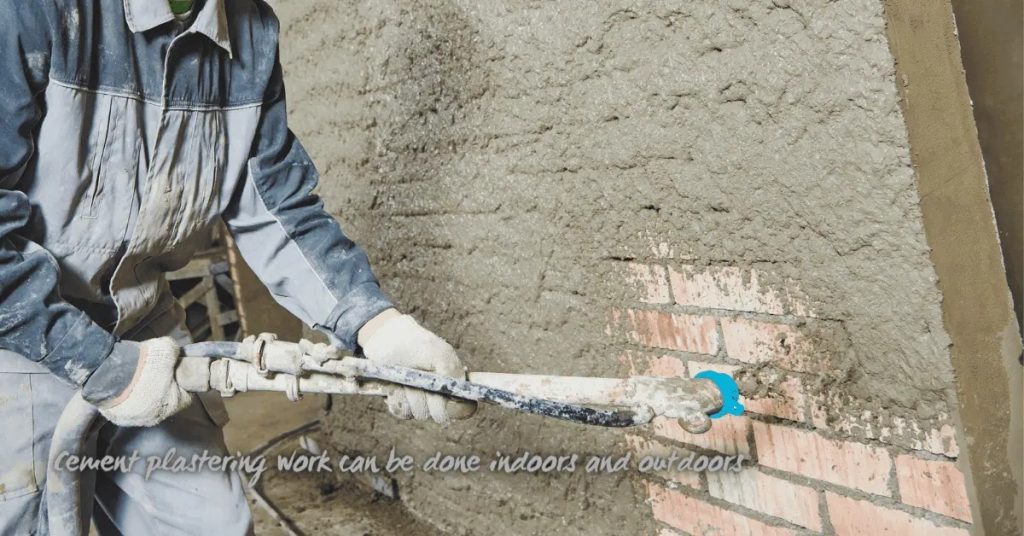
Worker spraying cement plaster on brick wall indoors

Bonding Old to New Concrete at Vertical Faces: Keys, Dowels, and Epoxy vs Cement Slurry

Introduction Bonding old to new concrete at a vertical face means creating a mechanical and/or adhesive connection so the new pour acts like part of the same structure. That usually comes down to creating keys or dowels for mechanical interlock and choosing an appropriate bonding agent—epoxy or cement slurry—based on strength needs and manufacturer instructions.

Bonding Old to New Concrete at Vertical Faces: Keys, Dowels, and Epoxy vs Cement Slurry Read More »

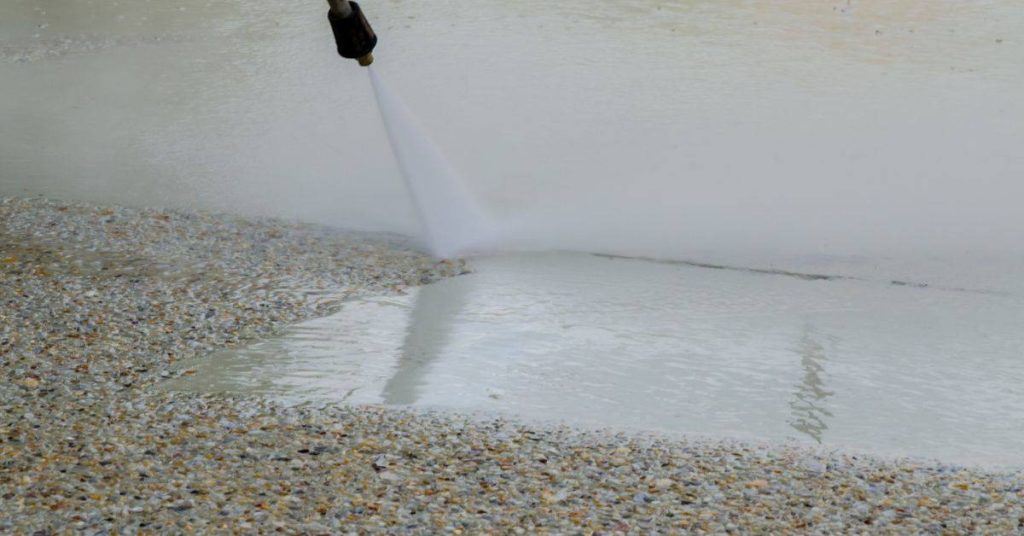
Pressure washing exposed aggregate concrete surface

Concrete Etch Alternatives: When Degreasing and Profiling Beat Acid Washing

Introduction Concrete etch alternatives are practical cleaning and mechanical methods—like degreasing and surface profiling—that replace acid washing when you need safer, more controlled prep. As a DIYer, think of degreasing to remove oils and contaminants and of profiling (grinding, shot blasting, or scarifying) to roughen the slab so coatings will stick; check product labels and

Concrete Etch Alternatives: When Degreasing and Profiling Beat Acid Washing Read More »