Search Results for: sanding plaster

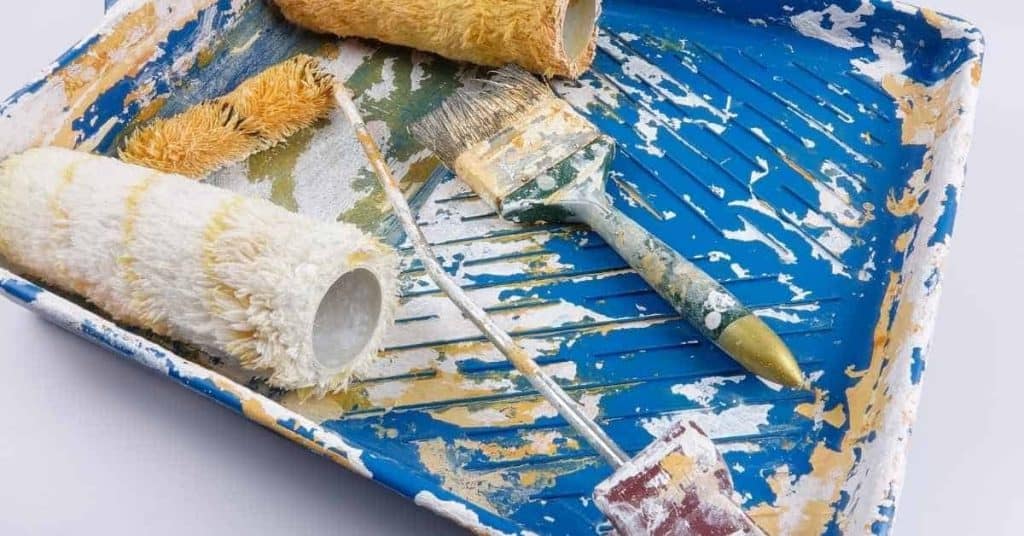
paint tray with paint roller covers and a paintbrush covered in dried paint

How to Store Partially Used Paint for Years: Skin Prevention and Remix Steps

Introduction Long-term storage of partially used paint means keeping the can sealed, preventing skin from forming, and preserving it for future remix. Keep containers tightly closed, label clearly, and store upright in a cool, stable spot away from direct heat or freezing conditions. Check the product label and manufacturer instructions for any shelf-life notes or […]

How to Store Partially Used Paint for Years: Skin Prevention and Remix Steps Read More »
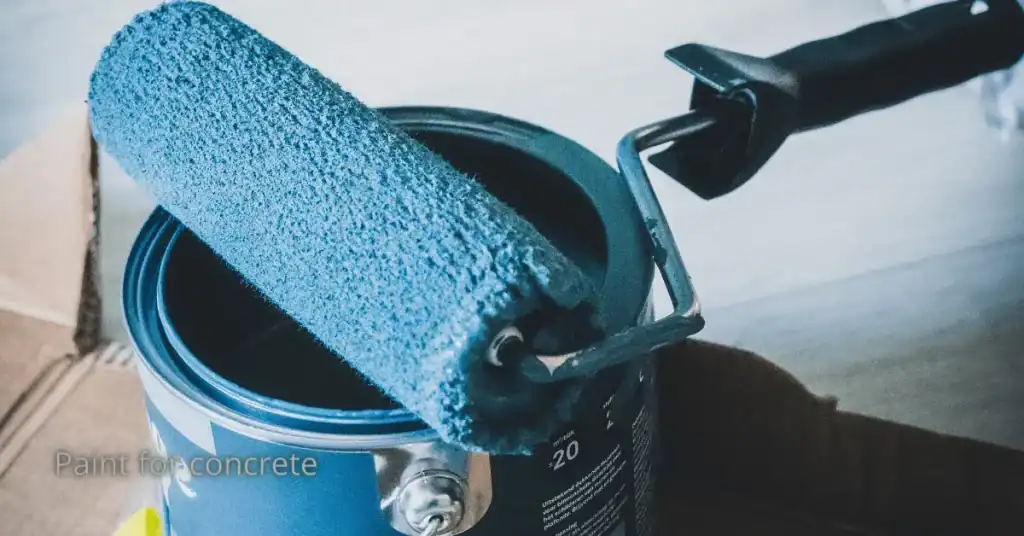
Blue paint roller resting on an open paint can

How to Prevent ‘Cratering’ in Clear Coats and Varnishes on DIY Projects

Introduction Cratering in clear coats is when the finish shows tiny pits or craters after drying. This can happen from improper thinning, debris, or moisture in the air, and it spoils the look and protection. To avoid it, stick to careful prep and clean, even application steps. Use proper dilution only as directed on the

How to Prevent ‘Cratering’ in Clear Coats and Varnishes on DIY Projects Read More »

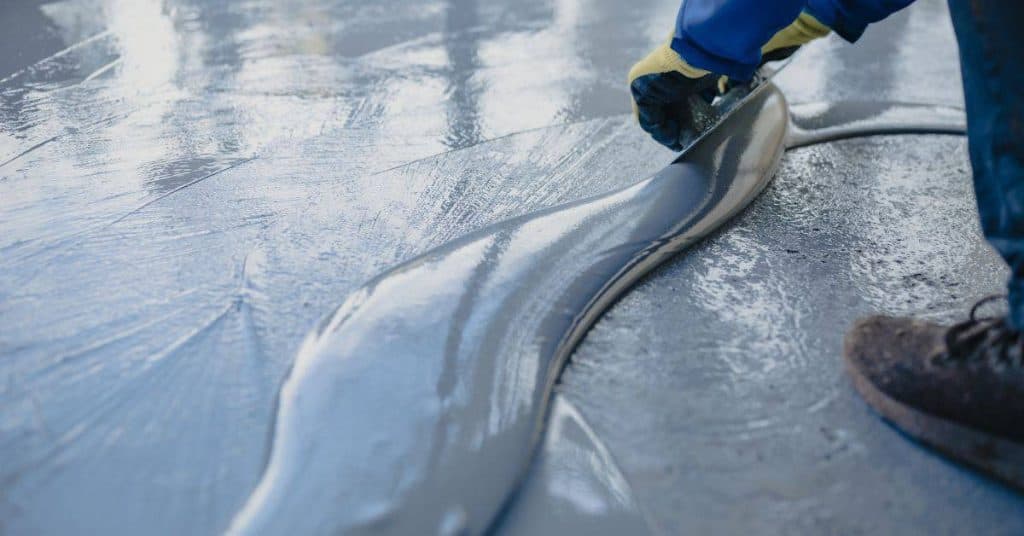
Person applying glossy epoxy coating on concrete floor

Painting Basement Walls Without Trapping Moisture: Mineral Paints vs. Acrylics vs. Epoxy

Introduction Painting basement walls without trapping moisture means choosing a coating and prep method that manages moisture rather than sealing it in. Start by diagnosing the wall condition and cleaning, repairing leaks, and planning ventilation before any paint goes on. Then determine if the wall needs moisture barriers, steps for drying, and whether to apply

Painting Basement Walls Without Trapping Moisture: Mineral Paints vs. Acrylics vs. Epoxy Read More »

Smooth white ceiling with recessed lighting fixture hanging

How to Paint Over Cracked Paint: When to Scrape, When to Feather, When to Skim

Introduction Scraping, feathering, or skim coating cracked paint are the three main ways to treat cracked paint before repainting. The choice depends on how deep the cracks are and how smooth you want the surface to be. Check labels and local rules if you need exact limits or product compatibility. Use scraping when paint is

How to Paint Over Cracked Paint: When to Scrape, When to Feather, When to Skim Read More »

Person painting wood siding with white primer brush

Primer Compatibility Chart: Water-Based vs. Oil-Based vs. Shellac (What Can Go Over What)

Introduction Primer compatibility means choosing the right primer for the surface and topcoat so the finish adheres and lasts. Different primers are designed to bond to different surfaces and to seal, block stains, or prevent bleed-through. Always check the label for what the primer can be applied over and what the topcoat can be used

Primer Compatibility Chart: Water-Based vs. Oil-Based vs. Shellac (What Can Go Over What) Read More »

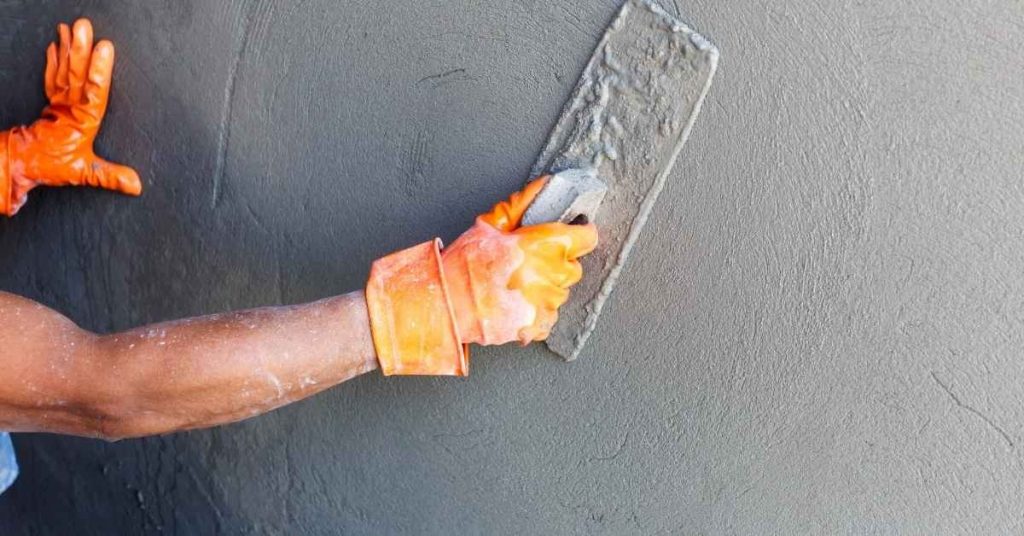
Person applying plaster on wall with trowel wearing orange gloves

Drywall Texture Matching: Orange Peel vs. Knockdown vs. Skip Trowel (DIY Spray vs. Hand)

Introduction Drywall texture matching is the process of reproducing a wall’s texture so new work blends with the old. It covers orange peel, knockdown, and skip trowel textures, whether you spray or hand‑apply. You’ll decide based on what you’re trying to reproduce and what tools you have on hand. Start by inspecting the existing surface

Drywall Texture Matching: Orange Peel vs. Knockdown vs. Skip Trowel (DIY Spray vs. Hand) Read More »

Vinyl corner bead strip with perforations beside orange safety mesh.

Corner Bead Choices: Metal vs. Vinyl vs. Paper-Faced (When Each One Wins)

Introduction Corner bead choices are metal, vinyl, or paper-faced trims used to form and protect drywall corners. Metal beads are sturdy, vinyl beads stay flexible, and paper-faced beads rely on drywall paper and mud to hold shape. This article keeps the talk practical for DIY installs. To pick one, consider where the corner will see

Corner Bead Choices: Metal vs. Vinyl vs. Paper-Faced (When Each One Wins) Read More »

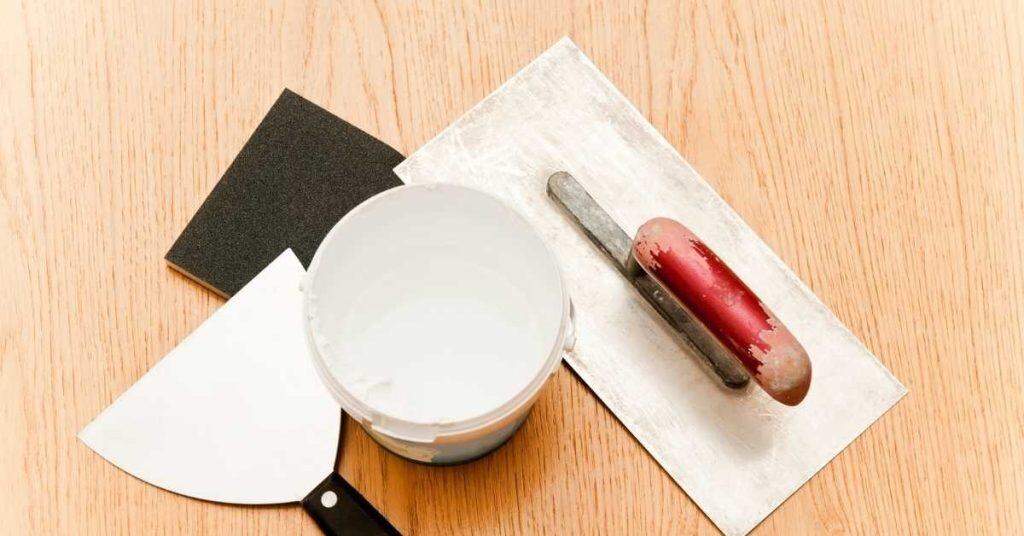
Plastering tools including float, putty knife, sanding sponge and bucket

DIY Level-5 Finish in Small Rooms: Skim Tools, Lighting Checks, and When to Stop

Introduction A DIY Level-5 finish is a near-perfect, impeccably smooth and flat wall or ceiling surface achieved with careful skim coats. This article walks you through skim tools, lighting checks, and the moment to stop before chasing perfection, in small rooms. Use the right skim blade or trowel, keep tools clean, and test with steady

DIY Level-5 Finish in Small Rooms: Skim Tools, Lighting Checks, and When to Stop Read More »

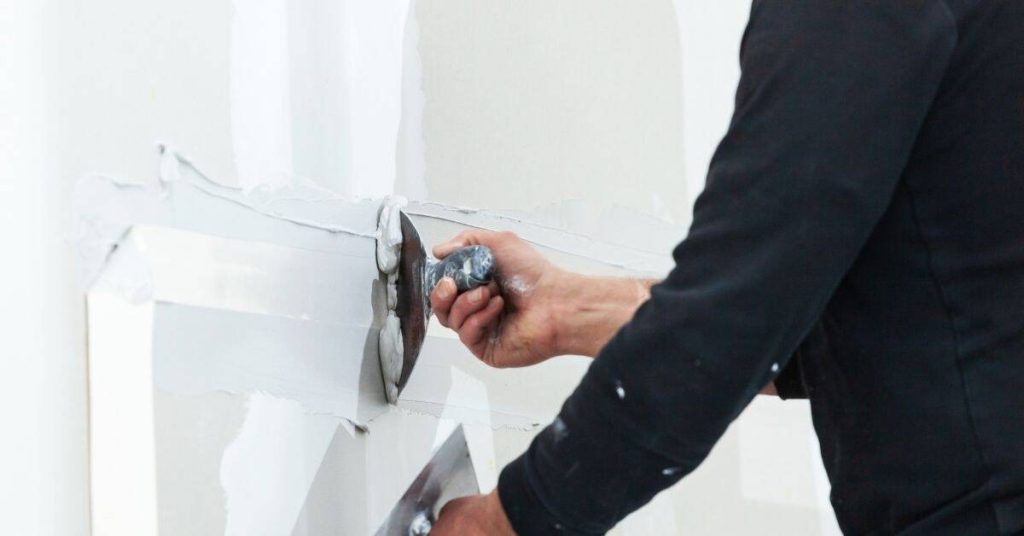
Person applying plaster to drywall seam with putty knife

Fixing ‘Picture Framing’ on Drywall: Why Edges Show Through and How to Reset the Surface

Introduction Picture framing on drywall is when the edge of a wall surface shows a frame-like line where joints or tape peek through. That happens after you paint or texture and the details of the tape or joint compound show along the edge. Fixing it means rebuilding a clean, smooth edge before you repaint. First,

Fixing ‘Picture Framing’ on Drywall: Why Edges Show Through and How to Reset the Surface Read More »

Paint roller applying white primer on drywall

Painting Over Nicotine-Stained Walls: The Primer Stack That Stops Yellow Bleed

Introduction A primer stack is a layered use of stain-blocking primers to stop nicotine bleed. Think of it as sealing the wall with the right primer before you paint. You’ll typically start with cleaning, choosing primers, and letting them dry per label. Then you build the finish with a topcoat that suits the surface after

Painting Over Nicotine-Stained Walls: The Primer Stack That Stops Yellow Bleed Read More »