Search Results for: product to seal between floor and wall

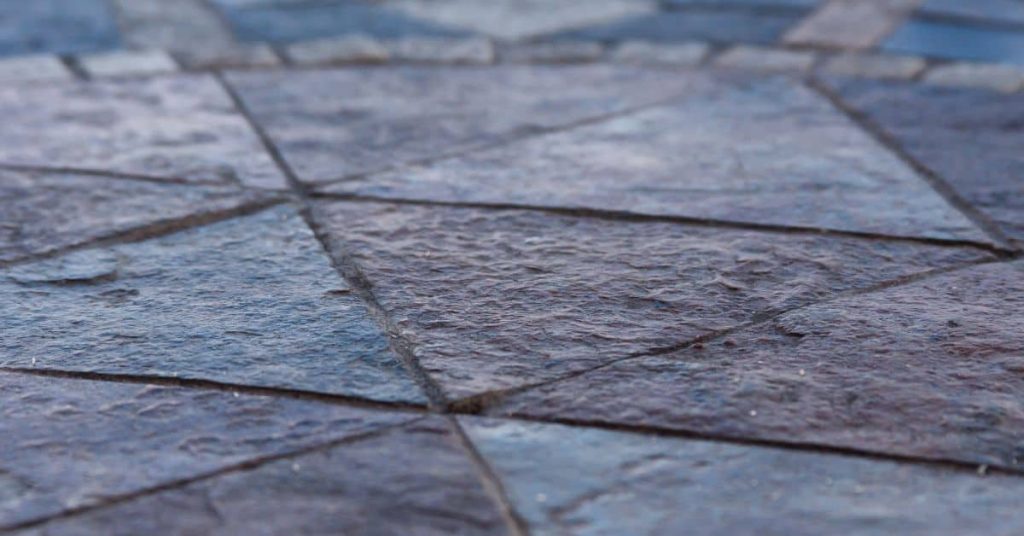
close up of textured stamped concrete floor surface

Concrete Stain Sealer Peeling: Why It Happens and How to Recoat Correctly

Introduction Peeling is when a previously applied stain sealer lifts, flakes, or dulls away from the concrete surface. This usually happens when the sealer didn’t bond well, or when the surface wasn’t prepared or conditioned properly. In DIY terms, you’ll often see peeling after weathering, moisture, or mismatched coatings. To recoat correctly, start with a […]

Concrete Stain Sealer Peeling: Why It Happens and How to Recoat Correctly Read More »
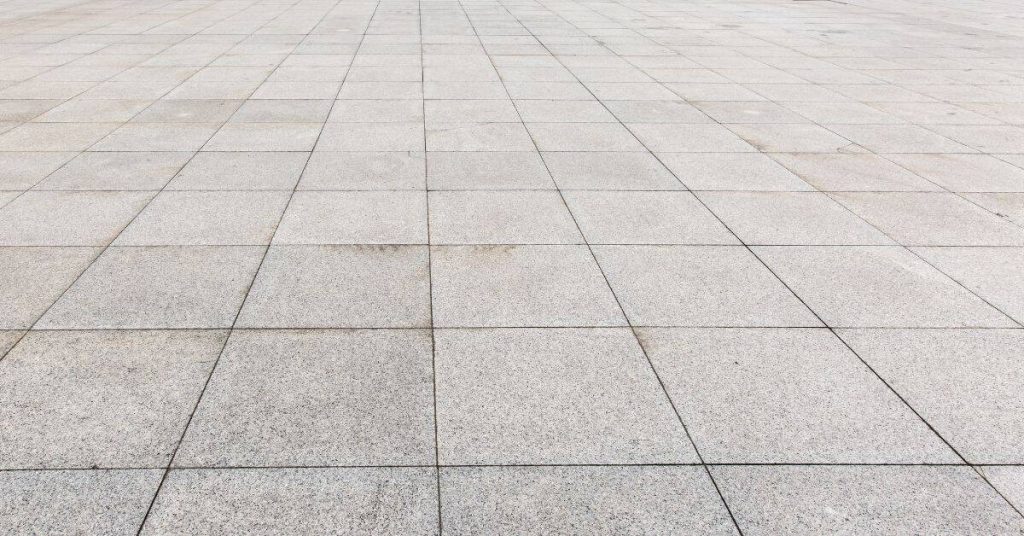
grey concrete paving slabs arranged in grid pattern

Tree Root Damage to Slabs: When to Cut Roots and When to Rethink the Tree

Introduction Root damage to slabs occurs when tree roots grow under a concrete slab and start cracking, heaving, or lifting it. This article explains how to spot signs and decide whether cutting roots is a reasonable DIY step or if you should rethink the tree. It keeps things practical and hands-on, not academic. Look for

Tree Root Damage to Slabs: When to Cut Roots and When to Rethink the Tree Read More »

Clean garage with painted concrete floor and shelving

Anti-Slip for Garage Coatings: Flake, Grit, and Cleaning Tradeoffs

Introduction Anti-slip coatings for garages use embedded flakes or grit to add traction. Choosing the right mix depends on your surface, traffic, and how much texture you want. Use this guide to compare options and make a practical, DIY-friendly choice. Consider where and how you’ll apply it—entryways, drive lanes, or workshop zones—along with your cleaning

Anti-Slip for Garage Coatings: Flake, Grit, and Cleaning Tradeoffs Read More »

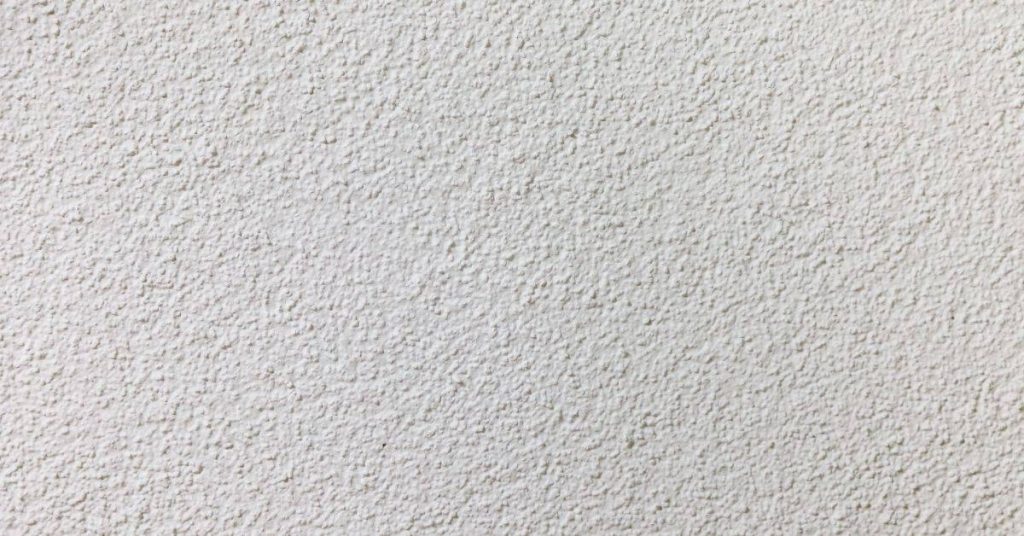
Close-up of painted textured drywall surface

Polyaspartic Coatings: Cure Times, Surface Prep, and DIY Reality Check

Introduction Polyaspartic coatings are fast-curing concrete coatings used to seal and protect floors. This article cuts through hype and tells you what to expect in terms cure times, prep steps, and what DIY installers should plan for. We’ll cover the real-world steps, from surface prep to finishing touches, in plain language you can actually follow.

Polyaspartic Coatings: Cure Times, Surface Prep, and DIY Reality Check Read More »

Concrete garage floor with paint roller and wet coating

Garage Floor Paint vs Epoxy vs Polyaspartic: What Actually Holds Up

Introduction Garage floor coatings come in paint, epoxy, and polyaspartic, each with its own durability profile. Paint is simple and forgiving, epoxy offers a thicker hard coat, and polyaspartic dries fast and resists temperature swings. This guide helps you compare protection, appearance, and DIY viability before you pick. You’ll learn what to expect in terms

Garage Floor Paint vs Epoxy vs Polyaspartic: What Actually Holds Up Read More »

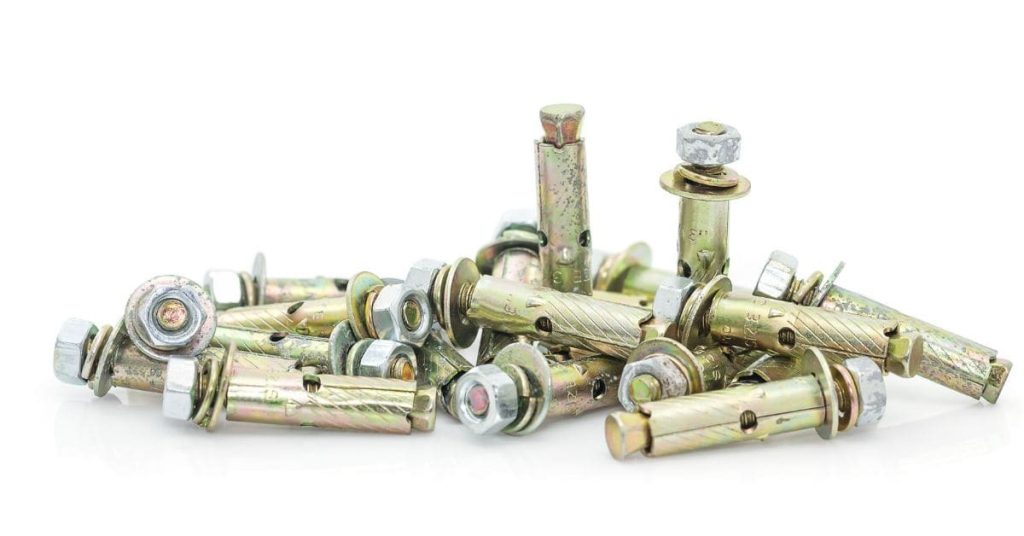
Pile of metal expansion anchor bolts on white surface

Protecting PEX in Concrete: Sleeving, Bend Radius, and Expansion

Introduction Protecting PEX in concrete means keeping the tubing safe from damage and movement while it sits in the slab. Sleeving, proper routing, and careful bending help prevent kinks and cracks as the concrete cures. Work carefully on site, verify that sleeves or guards are used where required and follow local guidelines. Use protective sleeves

Protecting PEX in Concrete: Sleeving, Bend Radius, and Expansion Read More »

Rusty rebar grid and foam insulation panels in concrete form

Concrete Slab Termite Shields: Detailing for Pest Control and Moisture

Introduction Termite shields in concrete slabs are physical barriers and detailing practices that help deter termites from entering the structure. They sit at the interface between soil and slab and are installed during pour to block termite paths. Along with proper moisture control and detailing, they reduce the chance termites take up residence. Termites favor

Concrete Slab Termite Shields: Detailing for Pest Control and Moisture Read More »

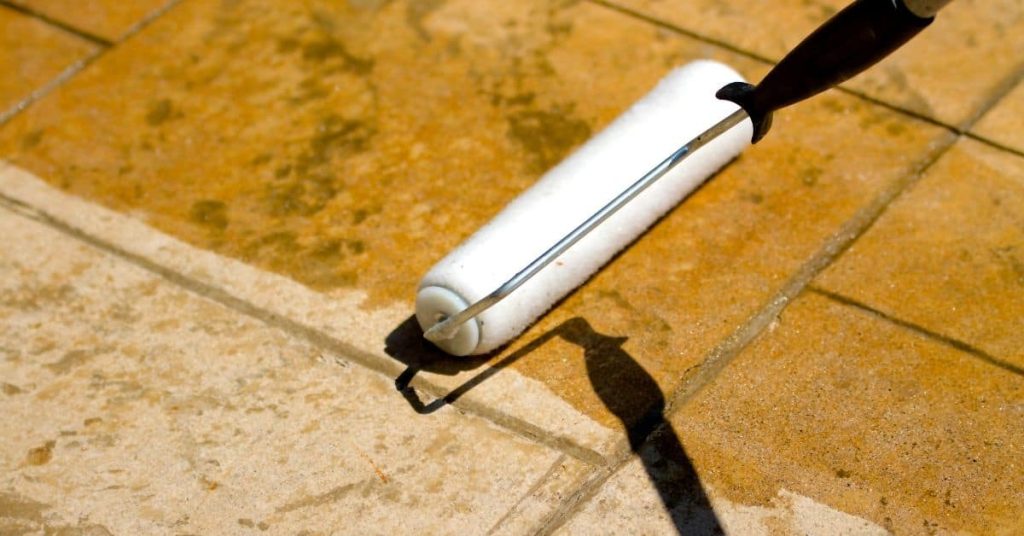
Paint roller applying liquid on concrete pavers outdoors

Concrete That Turns Dark After Sealing: Moisture, Solvent Trap, and Fixes

Introduction Darkening after sealing happens when moisture or solvent residues interact with the sealer on the surface. This can make the concrete look blotchy or deeper in color as it dries. If this happens, check moisture levels of the slab and review the sealer’s instructions. Try simple fixes first by letting the surface breathe, cleaning

Concrete That Turns Dark After Sealing: Moisture, Solvent Trap, and Fixes Read More »