Search Results for: primer sealer for concrete

Spiked roller on wet gray epoxy floor coating

Surfactant Leaching on Fresh Paint: Why Brown Drips Appear and How to Clean Them

Introduction Surfactant leaching is when soap-like compounds in the paint migrate to the surface and leave brown drips. You’ll see streaks or darker specks after a fresh coat as these materials rise to the top. If you notice this, check the paint label and follow the manufacturer guidance for compatible primers and topcoats. To fix […]

Surfactant Leaching on Fresh Paint: Why Brown Drips Appear and How to Clean Them Read More »

Worker painting wall with roller near ladder in room

Seam Ghosting After Painting: Why Joints Show and How to Fix the Lighting Effect

Introduction Seam ghosting after painting is when joint lines, tape, and seams remain visible through the paint due to differences in texture, sheen, or how light hits the surface. This happens when the joint material and surrounding wall reflect light differently, or when the paint film doesn’t level over the seam. It’s common after patching

Seam Ghosting After Painting: Why Joints Show and How to Fix the Lighting Effect Read More »

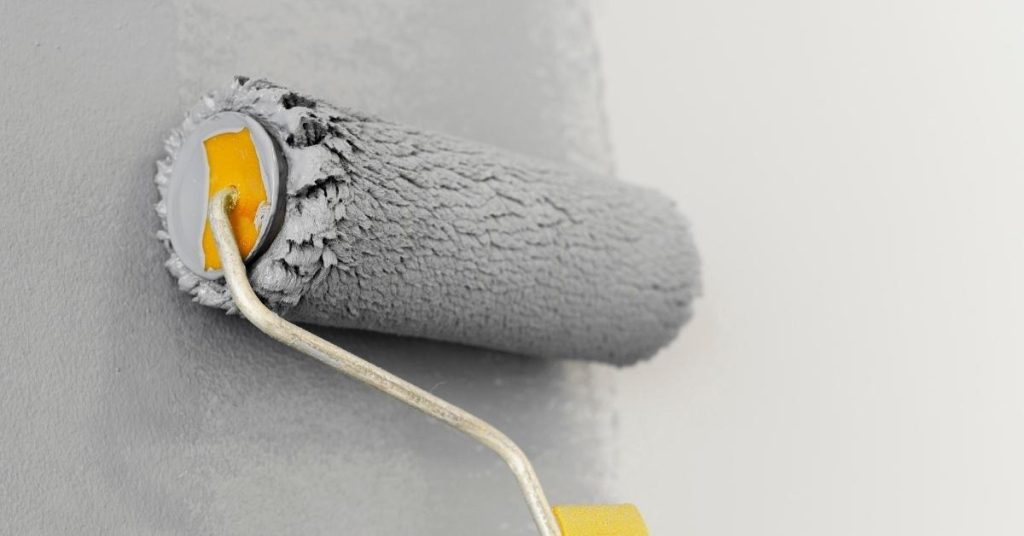
Paint roller applying gray paint on white wall

Roller Stipple Problems: How to Get Smoother Walls Without Spraying

Introduction Roller stippling is a technique that creates a textured, stippled wall by rolling on paint with a stippling roller. This intro helps you spot common issues and set up for a smoother finish without spraying. Keep in mind technique and paint consistency matter, not big machinery. Choose a roller with a suitable nap and

Roller Stipple Problems: How to Get Smoother Walls Without Spraying Read More »

Person painting a wooden frame with a yellow brush

Painting Over New Joint Compound: Sealing Porosity to Prevent Flashing

Introduction Sealing porosity in joint compound means treating the surface so paint sits evenly and doesn’t soak in. This helps prevent flashing and uneven color when you apply primer and paint. Prepare the surface well and choose a compatible primer based on what the joint compound needs, according to the product label. Start with thorough

Painting Over New Joint Compound: Sealing Porosity to Prevent Flashing Read More »

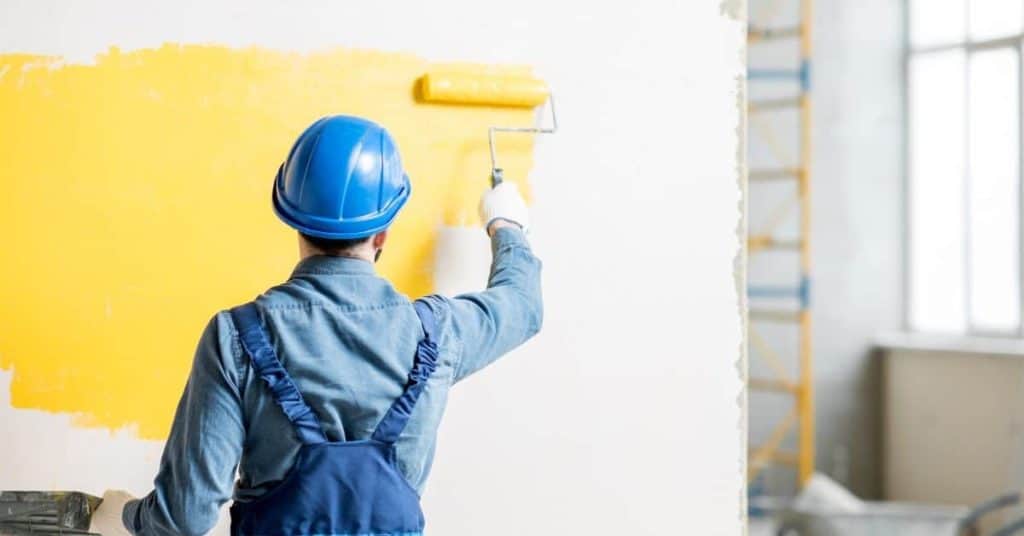
Worker painting interior wall yellow with roller

Painting Over Efflorescence: How to Stop Salts From Ruining Your Finish

Introduction Efflorescence is the white, powdery salt that can migrate to a wall surface when moisture moves through masonry. It can appear on painted or unpainted surfaces and can ruin a finish if not addressed. Before painting, you need to identify and clean it so the new coating can adhere. Identify efflorescence on walls and

Painting Over Efflorescence: How to Stop Salts From Ruining Your Finish Read More »

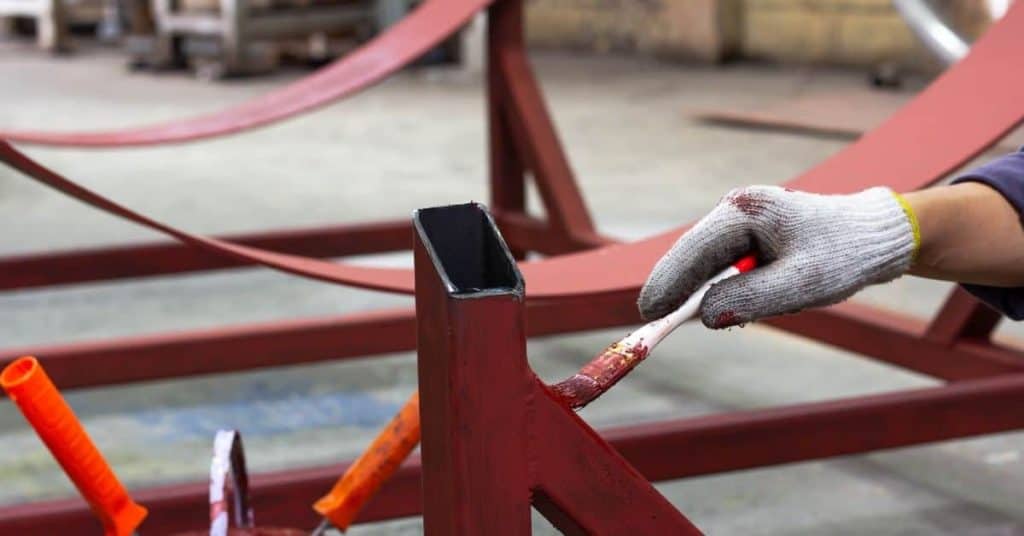
Hand wearing glove painting metal structure with brush

Painting Aluminum: Etch, Prime, and Topcoat Choices That Don’t Flake

Introduction Painting aluminum is best done with proper prep to prevent flaking. Start by cleaning the surface thoroughly and removing any dull oxidation, then consider a light etch to help paint grip. Then choose a primer and topcoat that are rated for aluminum and compatible with each other. Light sanding for a smooth, even surface

Painting Aluminum: Etch, Prime, and Topcoat Choices That Don’t Flake Read More »

Close-up of horizontal lap siding painted beige

Paint Telegraphing: Why Old Repairs Show Through and How to Hide Them

Introduction Paint telegraphing is the visible outline or pattern of old repairs showing through fresh paint. It happens when the underlying repairs or textures are different from the surrounding wall. In this article we’ll cover why it happens and how to reduce or hide it during a DIY repaint. Causes include uneven patches, old joint

Paint Telegraphing: Why Old Repairs Show Through and How to Hide Them Read More »

Unfolded aluminum ladder, paint bucket, and white painted room

Paint Sheen Selection by Room: Practical Rules That Prevent Regret

Introduction Paint sheen selection by room means picking the finish level for your walls based on how the space will be used. Key takeaways Choose sheen by room use to balance appearance, durability, and maintenance. Test samples on actual surfaces to judge light, texture, and mood. Consider prep, surface porosity, and recommended primers before applying

Paint Sheen Selection by Room: Practical Rules That Prevent Regret Read More »