Search Results for: prime dusty plaster

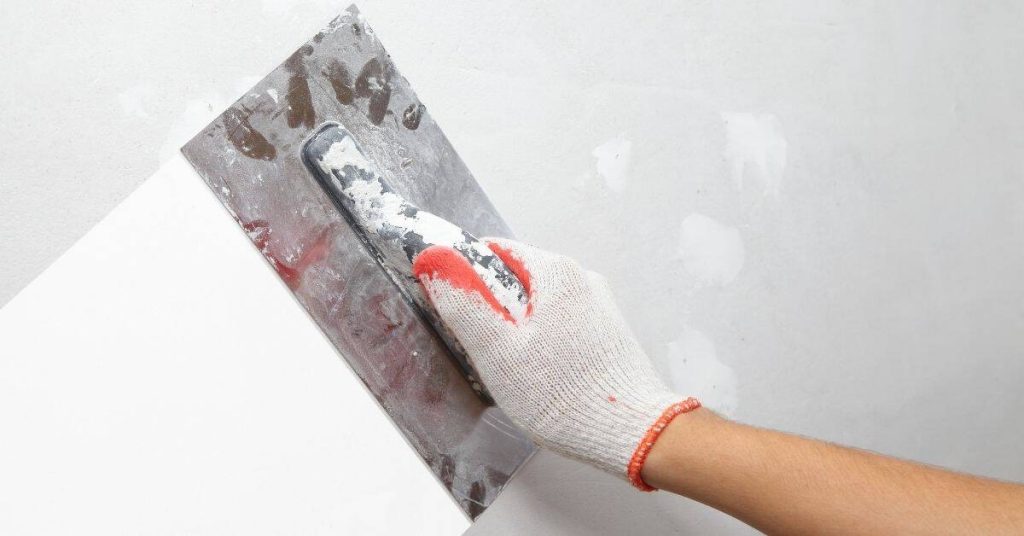
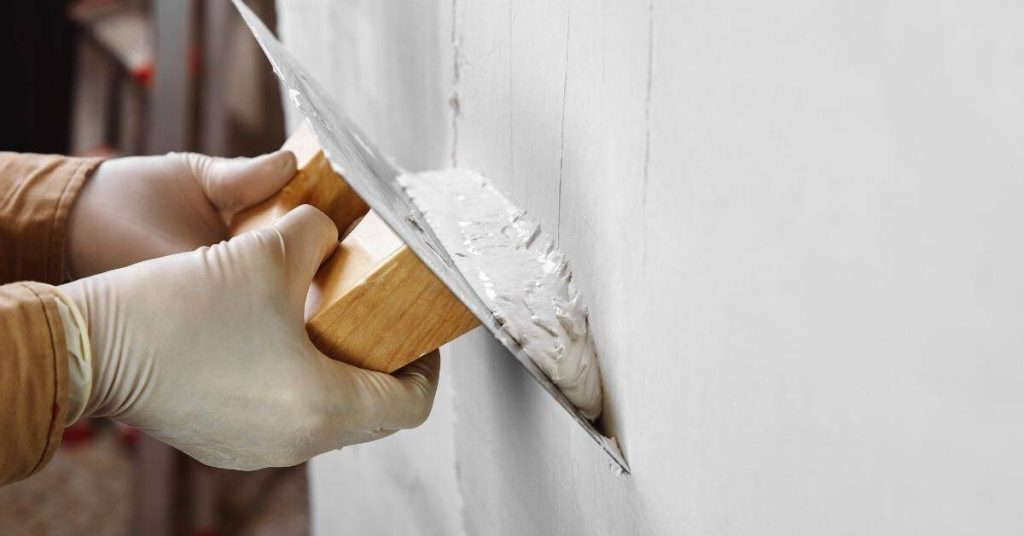
Hands wearing gloves applying plaster with a trowel on wall

Interior Limewash on Plaster: Prep, Multi-Coat Technique, and Blotch Fixes

Introduction Interior limewash on plaster is a breathable, traditional finish applied in thin coats to even color and texture. Prep steps include cleaning the wall, dampening the surface, repairing cracks, and applying a compatible breathable primer. Always check the primer and limewash compatibility on the product label or with the manufacturer instructions. Apply multiple thin […]

Interior Limewash on Plaster: Prep, Multi-Coat Technique, and Blotch Fixes Read More »
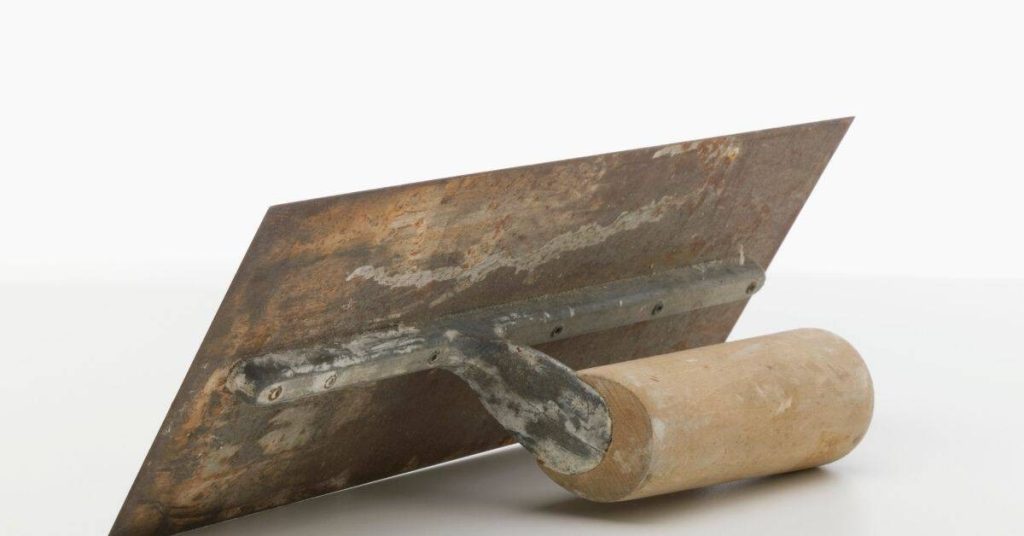
Rusty plastering trowel with wooden handle on white background

Repairing Historic Plaster With Embedded Wood Trim: Keeping Reveals Crisp Without Cracking

Introduction Repairing historic plaster with embedded wood trim means restoring plaster around the trim while preserving the wood reveals. It’s a practical, hands-on job that requires careful alignment of the reveals and gradual patching. Take your time to resecure loose plaster and check that the trim remains in the same plane. Use patch materials that

Repairing Historic Plaster With Embedded Wood Trim: Keeping Reveals Crisp Without Cracking Read More »

Decorative plaster corbels on a yellow wall

Plaster Stains That Bleed Through Paint: Shellac vs Waterborne Sealers and Drying Rules

Introduction Shellac and waterborne sealers can stop plaster stains from bleeding through paint. They work by sealing the porous plaster so pigment and moisture don’t migrate into the top coat. Choose the right option by checking product guidance and local rules. Surface prep matters: clean and dry the plaster, repair any cracks, and wipe away

Plaster Stains That Bleed Through Paint: Shellac vs Waterborne Sealers and Drying Rules Read More »

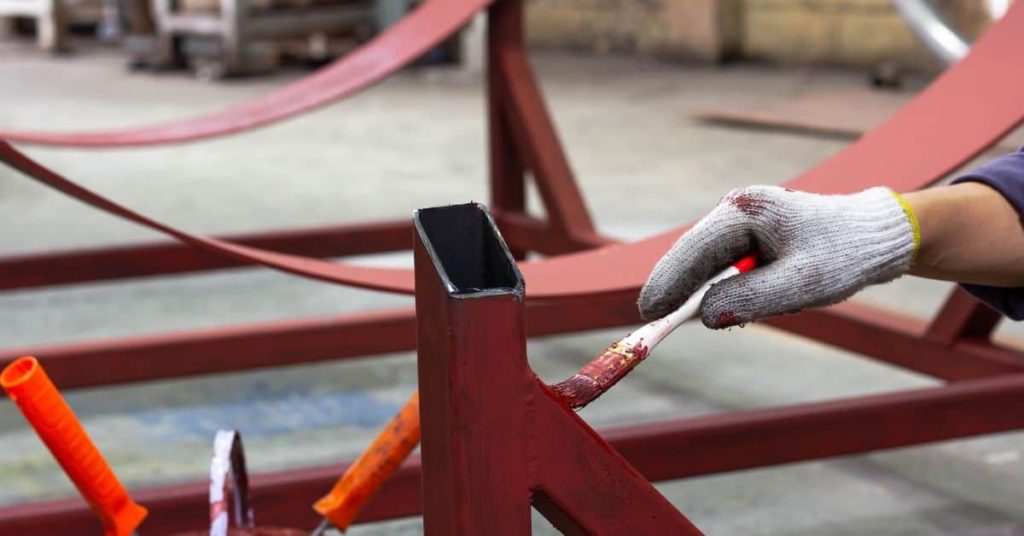
Gloved hand painting metal structure with red paintbrush

Plaster Delamination After Painting: Diagnosing Bad Primer vs Moisture vs Salt

Introduction Plaster delamination after painting is when the painted surface loses adhesion and the plaster layer peels or flakes away from the wall. It often points to issues with the primer, the presence of moisture, or salt-related damage behind the paint. Look for peeling edges, bubbling, or a chalky feel as you inspect the area.

Plaster Delamination After Painting: Diagnosing Bad Primer vs Moisture vs Salt Read More »

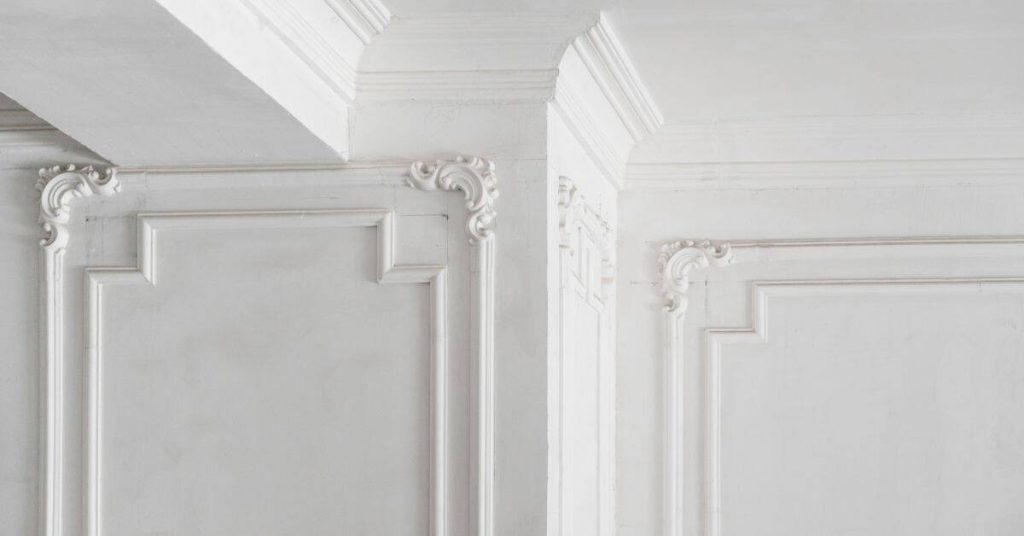
White decorative plaster molding on wall and ceiling corners

Repairing Plaster at Crown Molding Lines: Keeping Shadow Lines Sharp

Introduction Repairing plaster at crown molding lines means restoring damaged plaster so the shadow line stays sharp. You’ll look for cracks, chips, or loose edges where the molding meets the wall. Addressing these spots carefully keeps the line from looking soft or uneven. Start by cleaning and dampening the area, then remove loose material and

Repairing Plaster at Crown Molding Lines: Keeping Shadow Lines Sharp Read More »

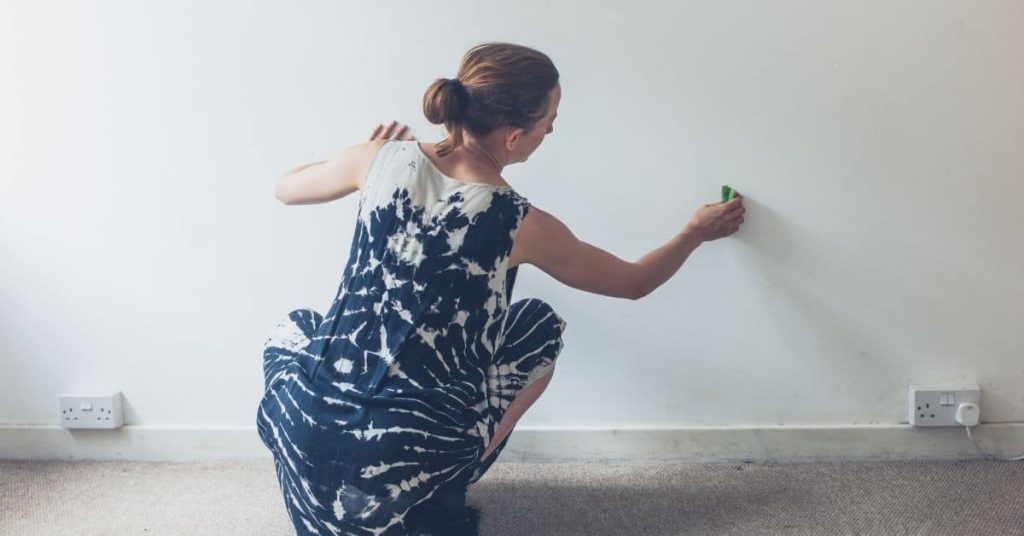
Woman inspecting white painted plaster wall closely

Sealing Nicotine Stains on Plaster: Why Some Primers Fail and What Works

Introduction Sealing nicotine stains on plaster means using the right primer to lock in oils and prevent bleed-through. If the surface isn’t cleaned or the wrong primer is chosen, the stain can bleed through and darken again. This article stays practical, with hands-on steps you can follow. Start with thorough cleaning to remove surface grime

Sealing Nicotine Stains on Plaster: Why Some Primers Fail and What Works Read More »

Hand in glove applying plaster with metal trowel on wall

Plaster (Interior)

Plaster Guides: Start Here This hub collects plastering guides for getting smooth, durable walls—prep, bonding, base coats, finish coats, patching, and common fixes. Plaster work rewards patience. The two biggest keys are surface prep and timing between coats. Start with those before you chase “perfect finish.” Start here Diagnose first (so you don’t patch over

Plaster (Interior) Read More »

Close-up of dusty white plaster wall texture

Priming Dusty Plaster: Sealing chalky walls so paint actually bonds

Introduction Priming dusty plaster means applying a compatible primer to seal chalky surfaces so paint can properly adhere. This helps the surface hold onto new paint and reduces peeling. Check the primer label for suitability with plaster and ensure the wall is clean and dust-free before applying. If in doubt, consult the product instructions and

Priming Dusty Plaster: Sealing chalky walls so paint actually bonds Read More »