Search Results for: power grout vs grout

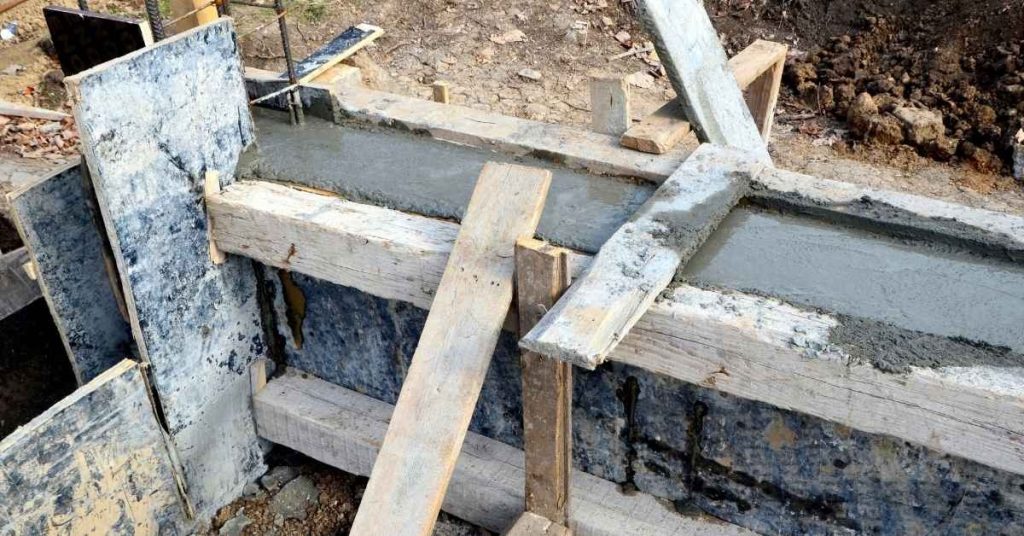
Wooden concrete forms filled with fresh concrete at construction site

Installing Sleeve Anchors: Edge Distance Rules and Avoiding Blowout

Introduction Edge distance for sleeve anchors is the minimum distance from the edge of the material to where the anchor is installed. This distance helps prevent cracks, splits, and blowout during loading. Understand that following the edge rule is essential for holding power and long life of the anchor. Look up the recommended edge distance […]

Installing Sleeve Anchors: Edge Distance Rules and Avoiding Blowout Read More »
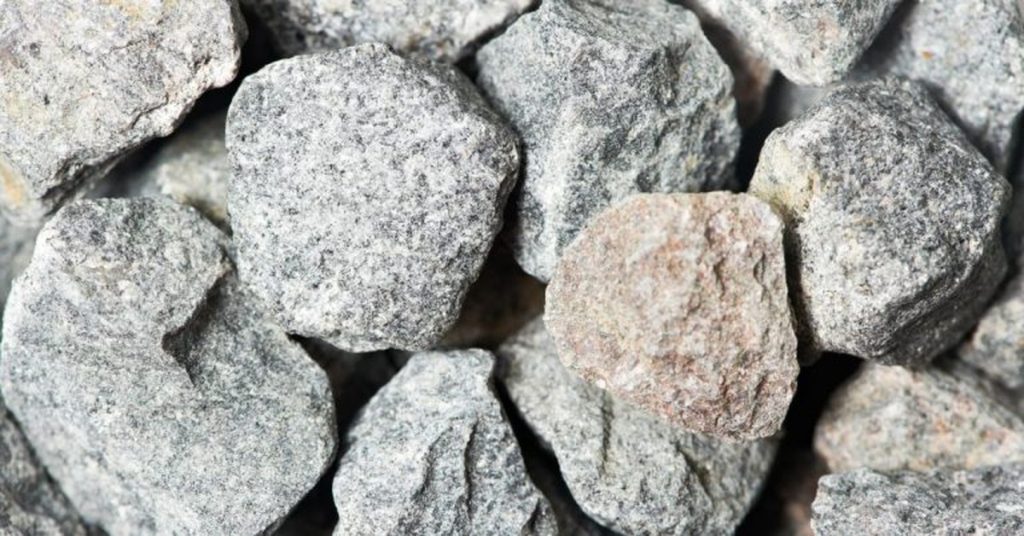
close-up of various sized crushed concrete aggregate stones

Preventing Aggregate Shadowing in Thin Casts: Particle Size, Paste Content, and Vibration

Introduction Aggregate shadowing in a thin cast happens when larger particles block the cement paste, making the surface look uneven. Choose a mix with a good spread of particle sizes, and check the paste content and vibration guidance on the product label. If in doubt, follow the manufacturer’s instructions and local rules for thin applications.

Preventing Aggregate Shadowing in Thin Casts: Particle Size, Paste Content, and Vibration Read More »

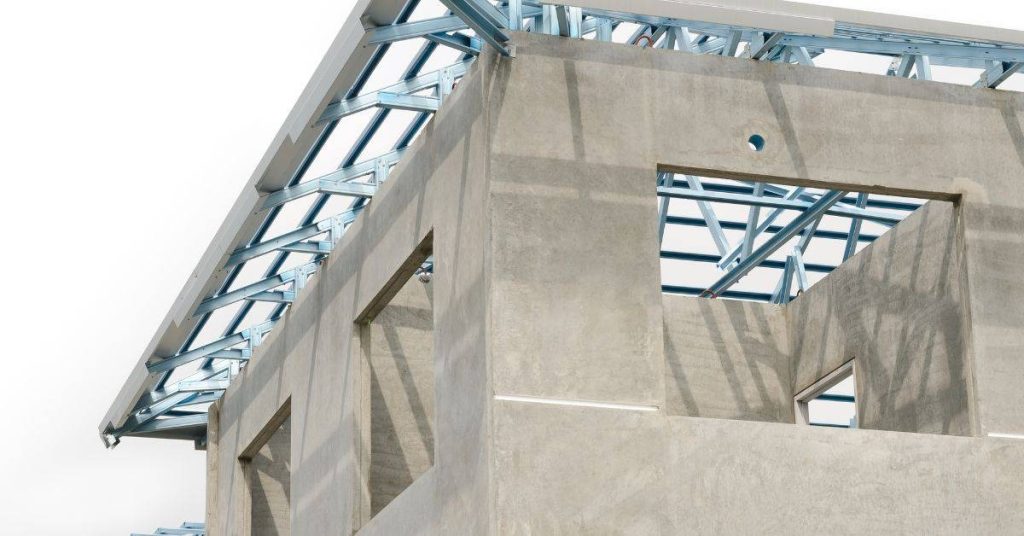
Precast concrete wall panels and steel roof framing

Repairing Honeycombed Concrete: When to Patch, When to Inject, and When to Rebuild

Introduction Repairing honeycombed concrete means fixing voids and loose pockets in the surface by choosing patching, injecting, or rebuilding. You evaluate how severe the honeycombing is and start with the simplest, most straightforward method. If the concrete has hollow spots you can reach, patching is usually the first option; deeper voids may need injecting, and

Repairing Honeycombed Concrete: When to Patch, When to Inject, and When to Rebuild Read More »

Concrete formwork with rebar and metal anchors in soil

Setting Wedge Anchors in Weak Concrete: When They Spin and Better Options

Introduction Wedge anchors spin in weak concrete when the anchor’s wedging action can’t grab solid material. That spinning often means the fastener won’t hold the load you expect. In practice, it’s a sign the substrate or hole preparation isn’t up to the task. If they spin, stop and check that the hole size and depth

Setting Wedge Anchors in Weak Concrete: When They Spin and Better Options Read More »

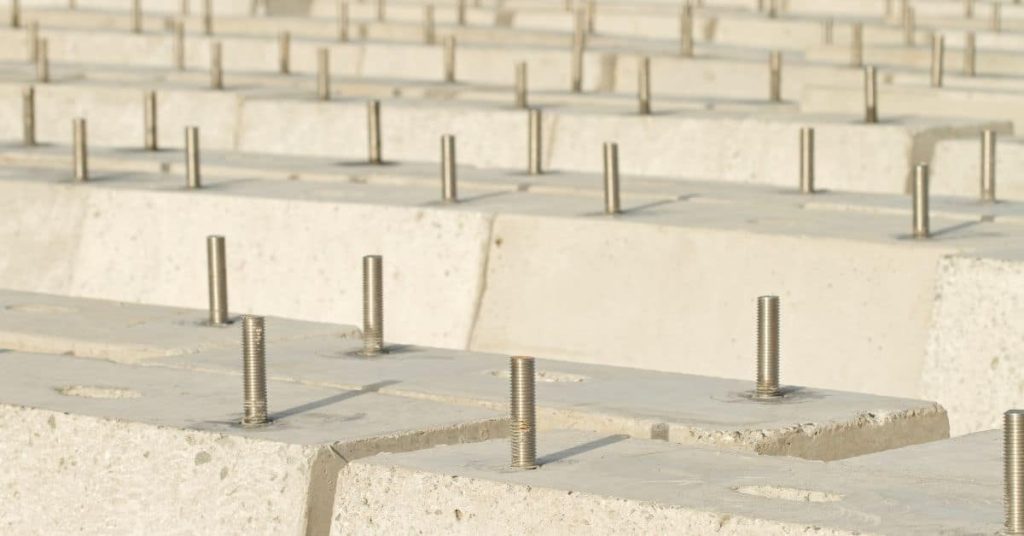
Rows of concrete blocks with metal anchor bolts embedded

Concrete Anchor Pullout: Hole Cleaning Levels That Actually Change Strength

Introduction Hole cleaning level refers to how clean the hole is before you install the anchor and that cleanliness can influence pullout strength. Different anchor types require different cleaning steps, and following the manufacturer’s instructions matters. In practice, I check for dust and debris, brush or air-blow the hole, and wipe it out until the

Concrete Anchor Pullout: Hole Cleaning Levels That Actually Change Strength Read More »

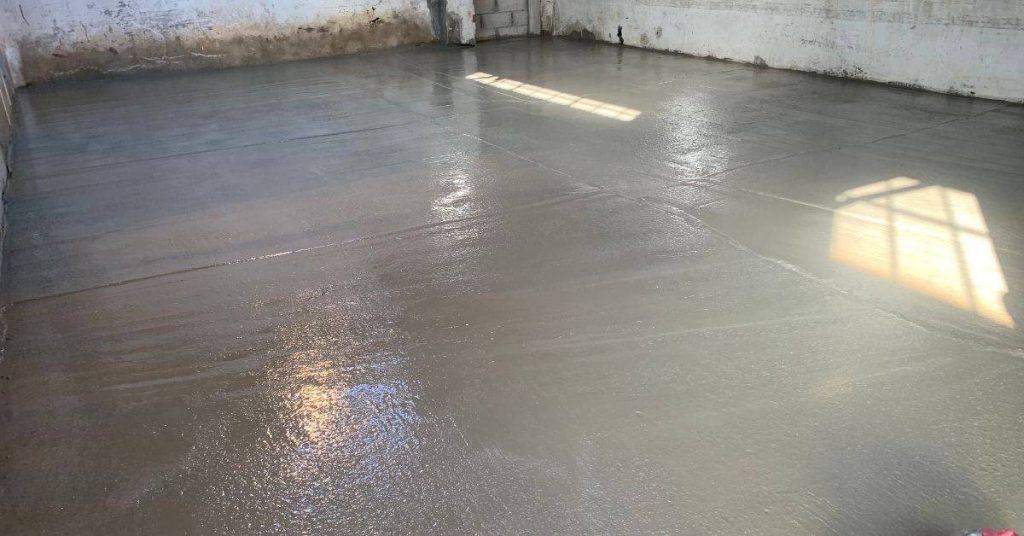
Freshly poured concrete floor inside a building

Why New Concrete Gets Soft Spots: Bleed Water, Overworking, and Local Fixes

Introduction Soft spots in new concrete are areas where the surface feels mushy or weak while it cures. They commonly form when extra bleed water rises to the surface or when the mix is overworked during finishing. Identifying the cause helps you choose the right fix and prevent this from reoccurring. Watch for shiny patches,

Why New Concrete Gets Soft Spots: Bleed Water, Overworking, and Local Fixes Read More »

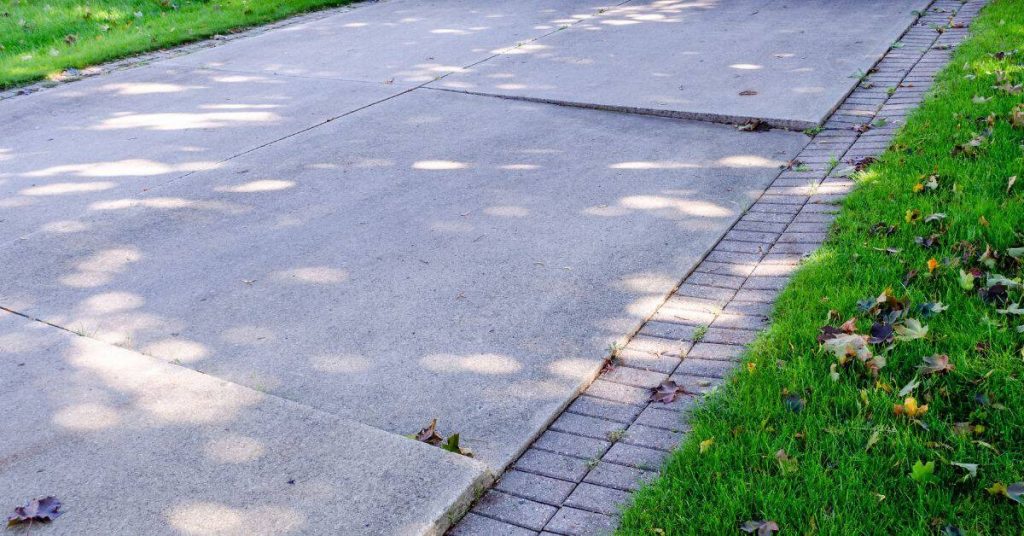
Concrete driveway with brick border and straight control joints

Concrete Groover Techniques: Keeping Joints Straight Without Chatter Marks

Introduction Concrete groover techniques are methods to create clean, straight control joints in fresh concrete. Using a groover or tool designed for joint lines helps you guide the surface and reduce wavy chatter. It’s a practical, hands-on step you can do with basic tools and steady effort. To keep joints straight without chatter marks, plan

Concrete Groover Techniques: Keeping Joints Straight Without Chatter Marks Read More »

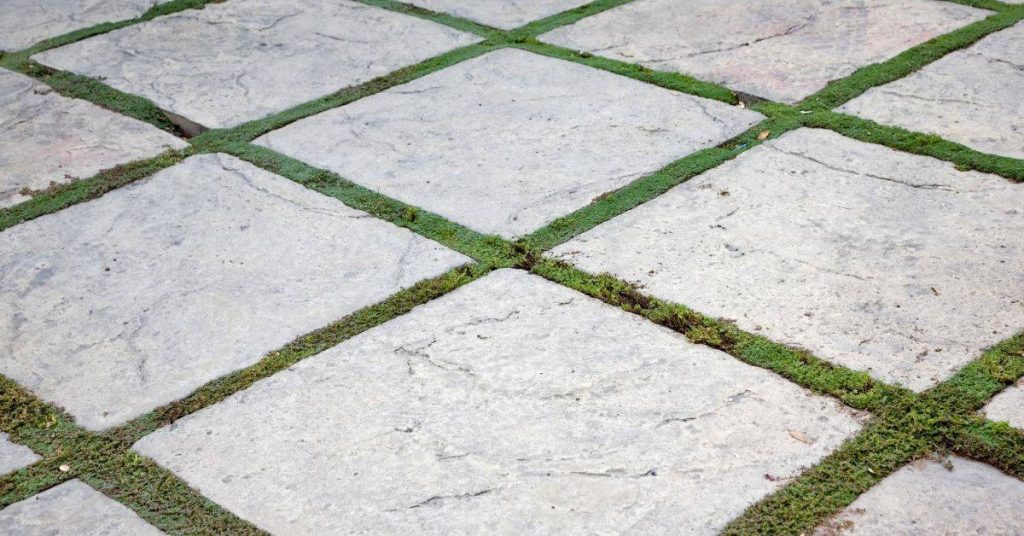
Gray square stone pavers with green moss-filled joints

How to Hide Control Joints Visually: Layout Tricks That Look Intentional

Introduction Control joints are planned gaps in concrete that you hide with layout tricks to look intentional. This article covers simple, hands-on steps you can follow on your own slab without fancy equipment. Think lines, patterns, and edges that camouflage joints while staying within manufacturer instructions and local rules. Start by choosing a location that

How to Hide Control Joints Visually: Layout Tricks That Look Intentional Read More »

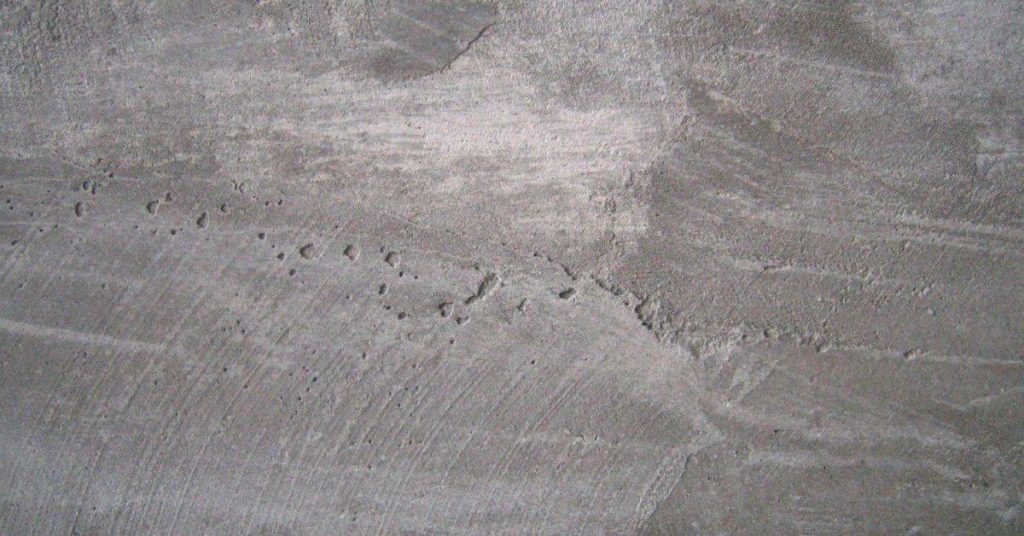
Close-up of old concrete surface with surface pitting and rough texture

Anchoring into Old Concrete: When the Surface Lies and How to Test Strength

Introduction Anchoring into old concrete means attaching hardware to an existing slab or wall when the surface may be uneven or compromised. The key is to verify whether the concrete can hold fasteners and to choose a method that matches the condition of the surface. This needs practical, hands-on steps rather than guesswork. To test

Anchoring into Old Concrete: When the Surface Lies and How to Test Strength Read More »