Search Results for: power grout vs grout

Freshly poured wet concrete floor inside a room

Concrete Bleeding vs Segregation: How to Spot Each and What to Do

Introduction Concrete bleeding is water rising to the surface of fresh concrete as the mix sets. Segregation is when heavier components separate, causing uneven texture or coverage. Both can affect finish and long‑term durability if not spotted and managed early. Bleeding shows as a wet sheen on the surface and may leave a thin film […]

Concrete Bleeding vs Segregation: How to Spot Each and What to Do Read More »
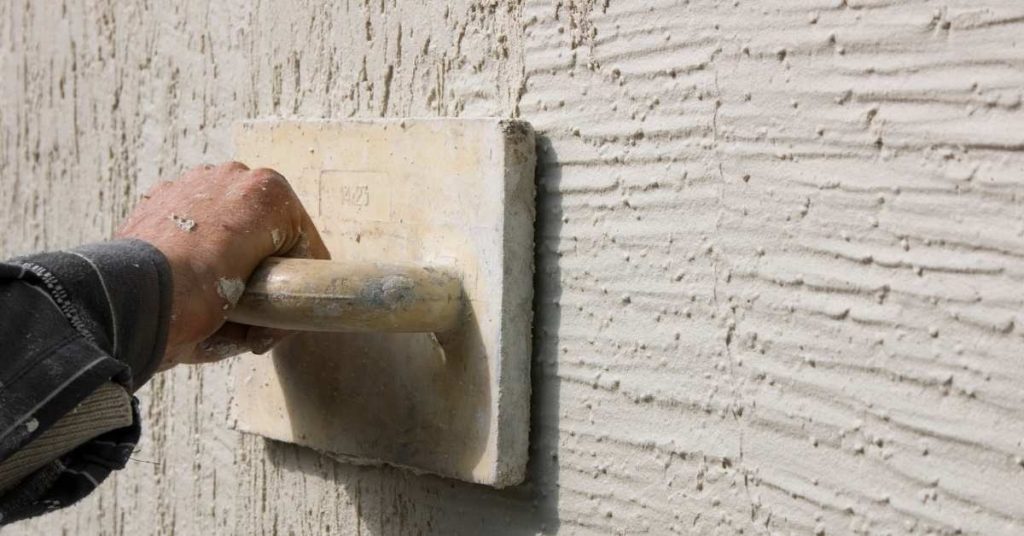
Hand smoothing textured stucco wall with float

GFRC Countertops: Face Coat vs Backer Coat (and How to Avoid Pinholes)

Introduction GFRC countertops use a thin face coat over a cement-rich backer to give the look of stone while keeping strength and cost in check. The face coat forms the visible surface and texture, while the backer provides depth and rigidity. In DIY practice, you’ll mix, pour, and cure them in layers, paying attention to

GFRC Countertops: Face Coat vs Backer Coat (and How to Avoid Pinholes) Read More »

Bucket with mortar mixing paddle and hand tools inside

Grout vs Mortar vs Thinset: Picking the Right Material for Each Job

Introduction Grout, mortar, and thinset are three distinct masonry materials used for different jobs: grout fills gaps between tiles, mortar binds bricks or blocks, and thinset is a cement-based adhesive for setting tiles. In DIY work, choose based on whether you need bonding, filling, or leveling, and adjust for indoor vs outdoor use. Standard blends

Grout vs Mortar vs Thinset: Picking the Right Material for Each Job Read More »

Concrete screeding tool smoothing wet concrete surface

Concrete Sand: Mason Sand vs Concrete Sand vs Play Sand (What Actually Works)

Introduction Concrete sand is the coarse, well-graded sand used in concrete mixes and as bedding material. Mason sand, concrete sand, and play sand differ mainly in texture, particle size, and how they compact. Knowing which to use depends on the job and what the sand needs to do in the mix or base. Mason sand

Concrete Sand: Mason Sand vs Concrete Sand vs Play Sand (What Actually Works) Read More »

Black and white marble tile surfaces

Tadelakt vs Tile: Where Tadelakt Works, Where It Fails, and What to Use Instead

Introduction Tadelakt is a traditional lime plaster finish used on walls and wet areas. This article offers a plain‑spoken look at where it works well, where it doesn’t, and what you should consider as a DIYer. We cover the basic idea of applying it, the materials you’ll need, and when tiling might be a safer

Tadelakt vs Tile: Where Tadelakt Works, Where It Fails, and What to Use Instead Read More »

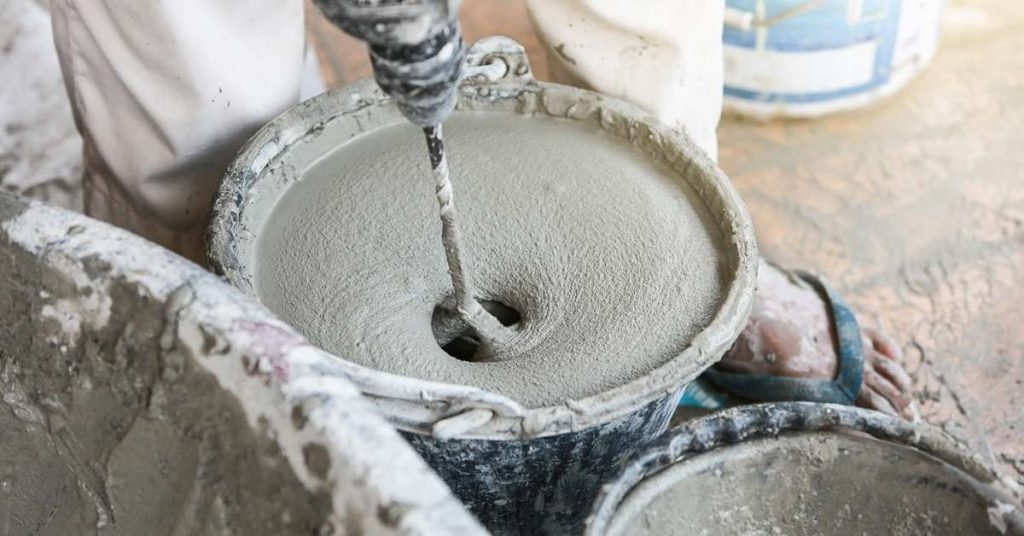
Mixing cement slurry in bucket with power drill paddle

How to Mix Small Batches Without Weak Spots: Bucket Mixing vs Mixer vs Paddle

Introduction Mixing small batches without weak spots means getting a uniform, well-worked mix every time; choose the method that matches your batch size, material, and access to tools. A bucket with a paddle is simple and cheap for very small pours, a portable mixer gives more consistent agitation for larger small batches, and a drill-mounted

How to Mix Small Batches Without Weak Spots: Bucket Mixing vs Mixer vs Paddle Read More »

Four concrete test slabs with markings on reddish ground

Isolation Joints vs Control Joints: Where Each Belongs on DIY Slabs

Introduction Isolation joints separate a slab from vertical or fixed elements, while control joints are intentional shallow cuts that encourage where a slab cracks; put simply, isolation keeps things apart and control tells concrete where to crack. These are different tools for the same problem of movement and cracking, and you choose based on what

Isolation Joints vs Control Joints: Where Each Belongs on DIY Slabs Read More »

Blue ladder against patched drywall with primed walls

Greenboard vs. Purple Board vs. Cement Board: Choosing Walls for Bathrooms (Real-World Limits)

Introduction Greenboard, purple board, and cement board are moisture-rated wall materials used in bathrooms. Each has different moisture tolerance, installation needs, and finish options, which affects where you should use them. For a practical DIY approach, start with what the product label and manufacturer instructions say about moisture exposure and prep. In real life, you

Greenboard vs. Purple Board vs. Cement Board: Choosing Walls for Bathrooms (Real-World Limits) Read More »