Search Results for: plaster crack repair

Repairing Plaster over Brick: Bonding Agents and Scratch Coat Technique

Repairing Plaster over Brick: Bonding Agents and Scratch Coat Technique

Introduction Repairing plaster over brick requires using a compatible bonding agent and a properly applied scratch coat to create a durable, crack-free finish. You’ll learn how to choose the right bonding agent, prepare the brick surface, and mix and apply the scratch coat with the right thickness and texture. The article also shares practical tips […]

Repairing Plaster over Brick: Bonding Agents and Scratch Coat Technique Read More »
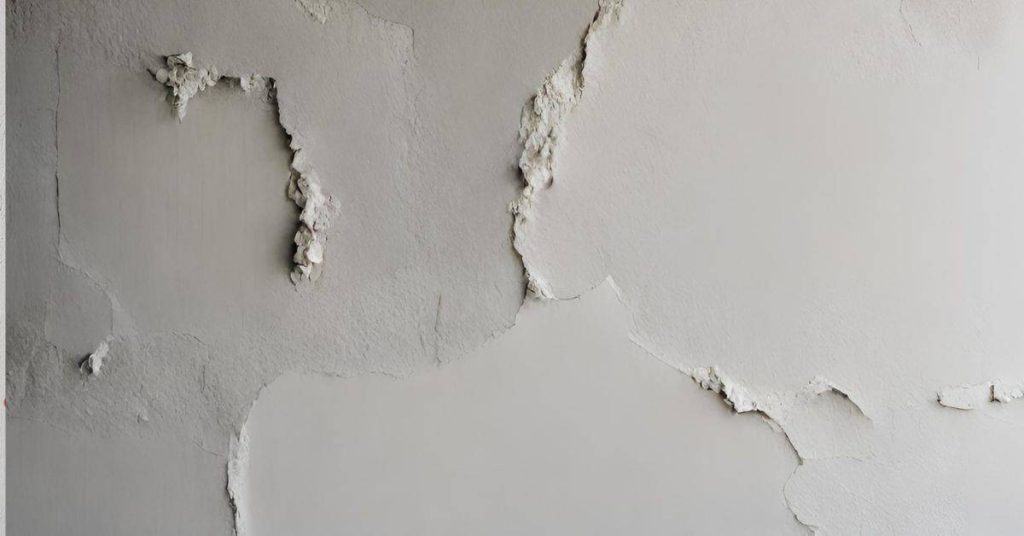
Patching Around Electrical Boxes in Plaster: Rebuilding the Edge So Plates Sit Tight

Patching Around Electrical Boxes in Plaster: Rebuilding the Edge So Plates Sit Tight

Introduction Patch around electrical boxes in plaster by rebuilding the plaster edge so the cover plates sit tight and flush. The guide walks you through assessing gaps, choosing patch materials, reproducing original edge profiles, and finishing for a seamless, code-compliant result. You’ll learn practical steps, common pitfalls, and best practices to ensure a solid, professional-looking

Patching Around Electrical Boxes in Plaster: Rebuilding the Edge So Plates Sit Tight Read More »

Repairing Impact Holes in Stucco: Backing

Repairing Impact Holes in Stucco: Backing

Introduction Proper backing is essential when repairing impact holes in stucco to restore strength and prevent cracking. The guide walks you through selecting backing materials, preparing the hole, applying patch, and finishing to blend with the surrounding wall. Key takeaways Inspect impact holes for stability before starting. Safety first: wear gloves, goggles, and a dust

Repairing Impact Holes in Stucco: Backing Read More »

Inside Corners on Stucco: How to Reinforce so Cracks Don’t Telegraph

Inside Corners on Stucco: How to Reinforce so Cracks Don’t Telegraph

Introduction Reinforcing inside corners on stucco prevents cracks from telegraphing through the finish. The guide walks through practical steps, materials to consider, and common-sense tips you can apply on real projects. You’ll learn how to identify vulnerable corners, prepare the surface, and implement reinforcement methods that keep cracks hidden. Key takeaways Inside corners crack due

Inside Corners on Stucco: How to Reinforce so Cracks Don’t Telegraph Read More »

Matching Sand Gradation for Repairs: Why the Same Mix Still Looks Different

Matching Sand Gradation for Repairs: Why the Same Mix Still Looks Different

Introduction Even with the same sand mix, a repair can look different from the surrounding material. You’ll learn how particle size (gradations), moisture, curing, and placement affect appearance and how to adjust your mix, batch timing, and finishing approach to get a closer match. Key takeaways Gradation affects color, texture, and workability of lime mortars

Matching Sand Gradation for Repairs: Why the Same Mix Still Looks Different Read More »

Reattaching Loose Plaster Without Full Demo: Washers Vs Adhesive Methods

Reattaching Loose Plaster Without Full Demo: Washers Vs Adhesive Methods

Introduction Reattaching loose plaster can be done without a full demolition by choosing between washers and adhesive methods. You’ll learn how each approach works, what signs indicate a repair is appropriate, and practical steps you can follow to secure plaster safely and effectively. The guide walks through common materials, simple checks, and general tips to

Reattaching Loose Plaster Without Full Demo: Washers Vs Adhesive Methods Read More »

Fixing “loose but Not Falling” Plaster: Stopping Movement Before You Skim

Fixing “loose but Not Falling” Plaster: Stopping Movement Before You Skim

Introduction Fixing loose but not falling plaster stops movement and prevents further damage. The guide walks through practical steps, tips, and simple checks you can perform to stabilize plaster and plan safe skim repairs. Key takeaways Tap plaster to distinguish hollow vs solid areas; note any creaking. Inspect cracks, bonding failures, and substrate movement before

Fixing “loose but Not Falling” Plaster: Stopping Movement Before You Skim Read More »

Repairing Deep Plaster Holes: Backing Methods That Won’t Telegraph Through Paint

Repairing Deep Plaster Holes: Backing Methods That Won’t Telegraph Through Paint

Introduction Use proper backing and feathering to repair deep plaster holes so they won’t telegraph through paint. You’ll learn which backing methods work best for different hole sizes, and how to apply patches in a way that stays smooth and durable. The guide walks through assessing the hole, choosing the right approach, and building up

Repairing Deep Plaster Holes: Backing Methods That Won’t Telegraph Through Paint Read More »

Blending New Plaster into Old: Feathering Edges so the Patch Disappears

Blending New Plaster into Old: Feathering Edges so the Patch Disappears

Introduction Feathering edges when blending new plaster into old makes the patch disappear. You’ll learn how to feather edges for a seamless transition, what materials and techniques work best, and practical tips for matching texture and color so repairs look like part of the wall. Key takeaways Assess patch area, feathering only when old plaster

Blending New Plaster into Old: Feathering Edges so the Patch Disappears Read More »