Search Results for: plaster crack repair

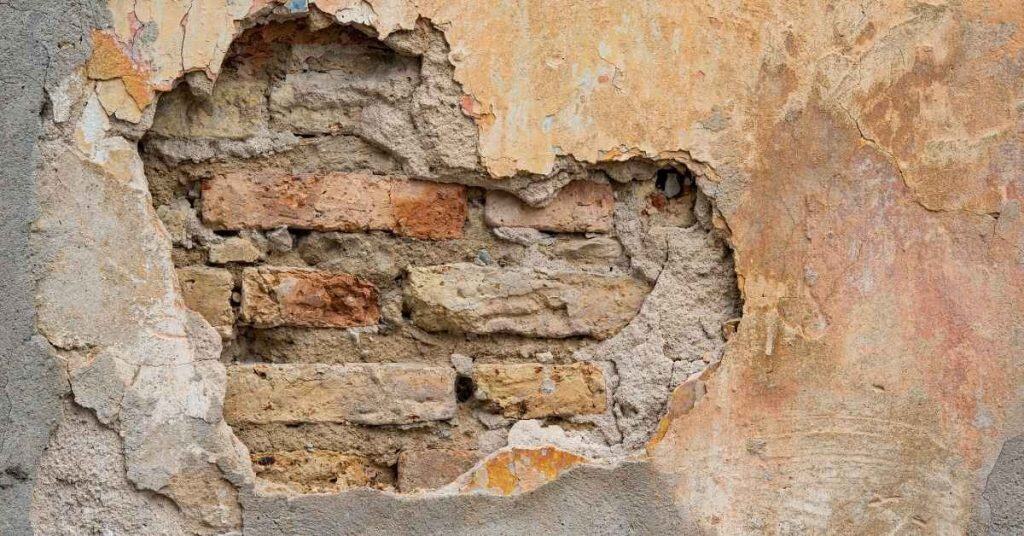
Exposed wooden lath behind damaged plaster wall surface

Plaster Keys Explained: How Lath-and-Plaster Actually Stays on the Wall

Introduction The age-old question among DIY enthusiasts is: how does lath and plaster stay on the wall? The answer lies in a simple yet ingenious technique called plaster keys. Let’s dive into this traditional method that has stood the test of time. Key takeaways Understand plaster keys are raised surfaces gripping the underlying lath to […]

Plaster Keys Explained: How Lath-and-Plaster Actually Stays on the Wall Read More »
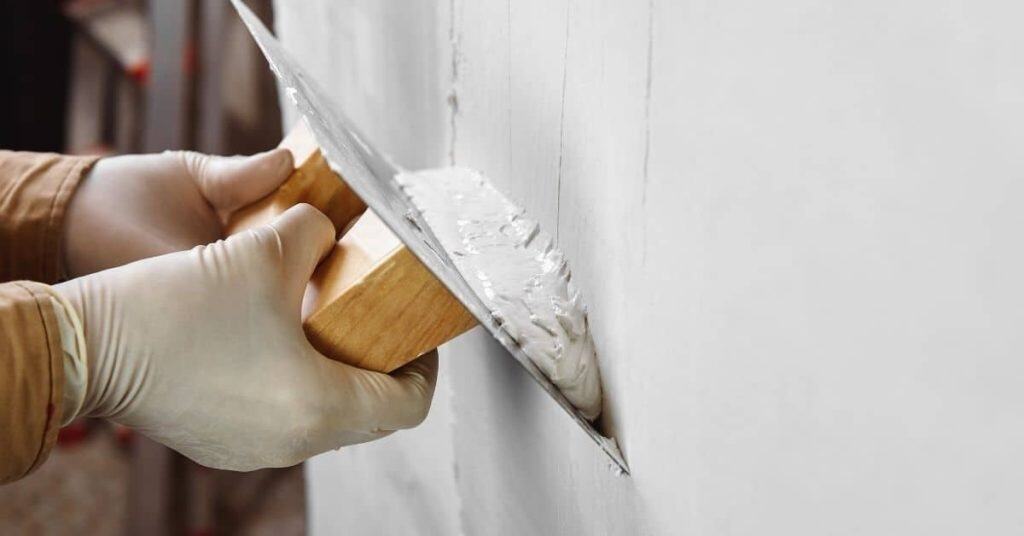
Hands wearing gloves applying plaster with a trowel on wall

How Long Does It Take to Tell If Your Wall Is Lime Plaster or Gypsum Plaster?

Introduction Identifying the type of plaster on your walls is a crucial first step before any repair or renovation work. But how long does it take to accurately determine if you’re dealing with lime plaster or gypsum? In this guide, we’ll walk you through the process, breaking down each test and its duration so you

How Long Does It Take to Tell If Your Wall Is Lime Plaster or Gypsum Plaster? Read More »

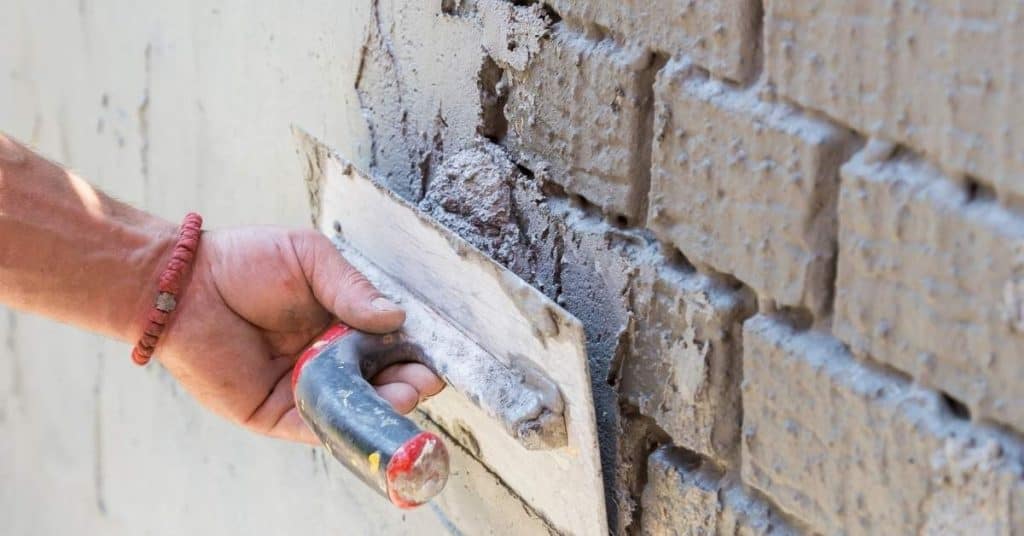
Hand applying plaster to rough brick wall with trowel

Lime Plaster Vs Gypsum Plaster: Compatibility Rules for Old Houses

Introduction Lime plaster and gypsum plaster are two plaster options for old houses, and their compatibility with the wall is a key difference. Lime plaster lets walls breathe and flex a bit, while gypsum plaster goes on smoother and dries faster. In simple terms, choose lime if you need moisture handling and wall compatibility; choose

Lime Plaster Vs Gypsum Plaster: Compatibility Rules for Old Houses Read More »

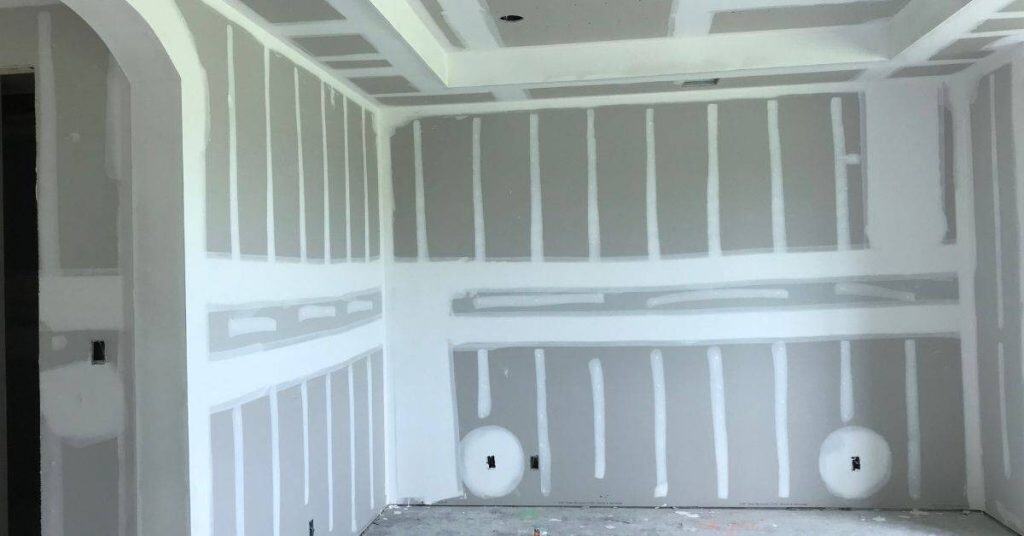
Unfinished room with drywall and joint compound applied on seams

Plaster Vs Joint Compound: Which Material Belongs in Which Repair

Introduction Plaster is a cement-based finish applied in a thick coat that hardens into a solid surface. Joint compound is a gypsum-based filler designed for walls and seams. For repairs, choose plaster on traditional, solid surfaces and use joint compound for drywall patches and quick fixes. In practice, match the material to the repair and

Plaster Vs Joint Compound: Which Material Belongs in Which Repair Read More »

Closeup of red brick wall with visible mortar joints

Stucco Control Joints: Where They Go and Why They Prevent Cracks

Introduction Control joints are intentional breaks in stucco that give the wall somewhere to move, helping to prevent random cracks. They exist to manage movement from framing, temperature, and moisture rather than to hide cracks after they form. Always check manufacturer guidance and local rules for how wide, where to place, and how to install

Stucco Control Joints: Where They Go and Why They Prevent Cracks Read More »

Damaged stucco with hollowed areas exposing brick underneath

How to Fix Loose or Hollow-Sounding Stucco (Delamination Repair)

Introduction Delamination in stucco occurs when the outer stucco layer loses its bond to the underlying substrate, creating a hollow or tinny sound when tapped. Visually, you’ll see cracks, bubbling, or patches that feel loose or wiggle under pressure. That combination signals a likely delamination that needs closer inspection. To assess it, gently probe suspected

How to Fix Loose or Hollow-Sounding Stucco (Delamination Repair) Read More »

Metal hose bib mounted on textured stucco wall

How to Repair Stucco Holes Around Pipes, Lights, and Hose Bibs

Introduction Repairing stucco holes around pipes, lights, and hose bibs means patching and sealing the open gaps in the exterior surface so water can’t seep in. Identify what caused the hole and what material surrounds it, since different hole types call for different patching approaches. Choose a cement-based patch that fits the hole type and

How to Repair Stucco Holes Around Pipes, Lights, and Hose Bibs Read More »

close-up of white textured stucco wall surface

How to Identify Your Stucco Type (Traditional, Acrylic, Eifs) Before Repairing

Introduction Identifying your stucco type means distinguishing traditional cement or lime-based stucco from acrylic and EIFS. Traditional stucco is usually cement-based, acrylic uses polymers, and EIFS adds an insulated finish. Check the surface feel, appearance, and any labeling to confirm the type before starting repairs. Have the right tools and materials on hand, including scrapers,

How to Identify Your Stucco Type (Traditional, Acrylic, Eifs) Before Repairing Read More »

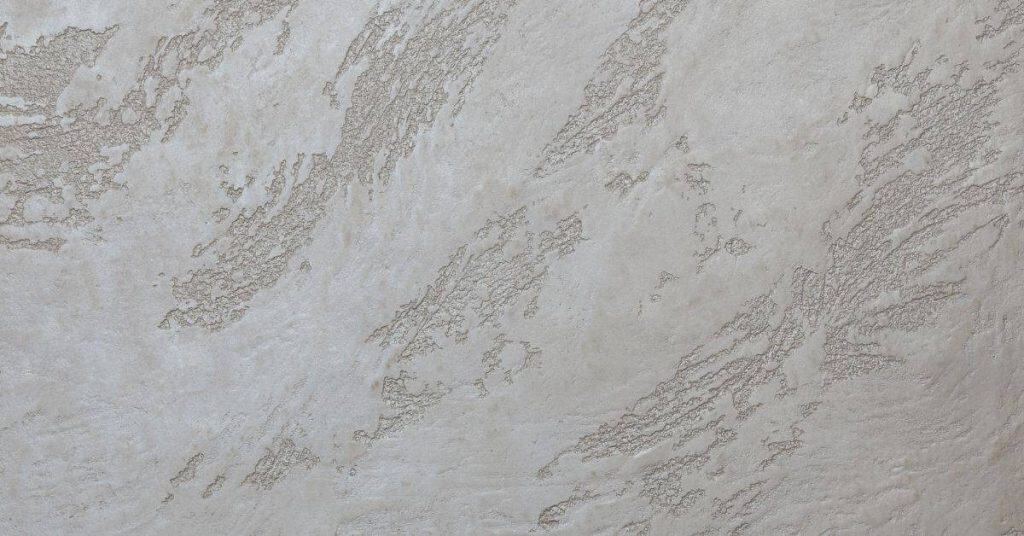
close-up of textured plaster wall with subtle sheen

Primers for Plaster Before Paint: What Stops Suction and Gives Uniform Sheen

Introduction Primers for plaster before paint are coatings that seal the surface and even out suction so paint goes on smoothly. In plain words, you dampen any dry areas, fill small flaws, and create a uniform base. Choose a primer labeled for plaster and follow the label for surface prep and drying times. Prepare the

Primers for Plaster Before Paint: What Stops Suction and Gives Uniform Sheen Read More »