Search Results for: pavers concrete

worker pouring concrete slab at construction site

Frost heave clues under concrete slabs: soil types, drainage fixes, and when you can’t fight nature

Introduction Frost heave clues under concrete slabs are signals that the soil beneath is lifting when moisture freezes. Look for misaligned joints, raised edges, and cracks that run across the slab as practical signs. Treat this as a hands-on inspection: note where water pools and how the slab sits. Soil type and moisture control frost […]
Frost heave clues under concrete slabs: soil types, drainage fixes, and when you can’t fight nature Read More »

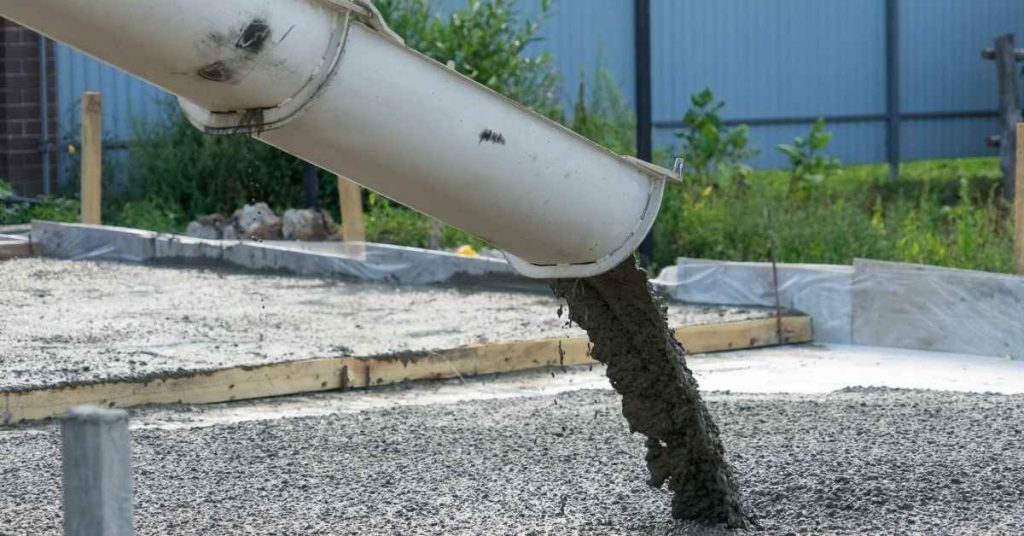
Concrete being poured from chute onto slab formwork

Concrete Slab Subbase: the Fast Compaction Reality Check with a Hand Tamper and a Hose

Introduction A concrete slab subbase is the compacted layer beneath the slab that supports and shapes the final surface. For a quick, hands-on approach, this article focuses on using a hand tamper and a hose to evaluate compaction on-site. Keep in mind that results depend on soil type, moisture, and thickness, so verify with local

Concrete Slab Subbase: the Fast Compaction Reality Check with a Hand Tamper and a Hose Read More »

Close-up of gas-powered cutting saw blade in front of red truck

Cutting Brick Pavers Cleanly: Blades, Chipping Control, and Dust Safety

Introduction Cutting brick pavers cleanly means using the right blade and technique to produce straight, square cuts with minimal chipping. Choose a blade rated for masonry and masonry-specific cutting, and align your cut with the paver face for a clean edge. Take your time to steady the paver and clamp it, then make a shallow

Cutting Brick Pavers Cleanly: Blades, Chipping Control, and Dust Safety Read More »

Close-up of cracked gray concrete surface

Concrete Downspout Solutions: Surface Channels vs Buried Pipe (and Freeze Risks)

Introduction Concrete downspout solutions route roof water either through surface channels or through buried pipes, with freeze risks to consider. This introduction helps you weigh a surface option you can see and a buried option that hides the work, based on your site and climate. Buried systems can keep surfaces clean and may reduce trip

Concrete Downspout Solutions: Surface Channels vs Buried Pipe (and Freeze Risks) Read More »

Close-up of exposed aggregate concrete edge beside pool water

Permeable Concrete Patios: Aggregate Choices, Placement, and Clog-Proof Maintenance

Introduction Permeable concrete patios are surfaces that let water pass through the slab to the ground below. They use special aggregate and mix proportions to create voids that drain freely. That means you can install a patio that handles rain without pooling, if done right. Gather your options for aggregate styles and layout, then plan

Permeable Concrete Patios: Aggregate Choices, Placement, and Clog-Proof Maintenance Read More »

Empty residential garage with concrete floor and closed garage door

Cleaning Concrete After Fertilizer Spills: Salts, Staining, and Rinse Rules

Introduction Cleaning concrete after fertilizer spills involves removing salts and stains while rinsing away residue. Fertilizers can leave mineral salts that pull water from the surface and leave pale or dark spots. This guide keeps it practical for DIY work and warns you to follow product labels and local rules. Start by rinsing the area

Cleaning Concrete After Fertilizer Spills: Salts, Staining, and Rinse Rules Read More »

Freshly poured concrete slab indoors under natural light

Choosing a Diamond Blade: Segmented vs Turbo vs Continuous for Concrete and Masonry

Introduction A diamond blade is a cutting wheel that uses industrial diamonds to slice through concrete, masonry, and similar materials. The common styles are segmented, turbo, and continuous. Each type has its own trade-offs, so the right pick depends on your material and cut. Cutting with these blades can be done wet or dry, but

Choosing a Diamond Blade: Segmented vs Turbo vs Continuous for Concrete and Masonry Read More »

Close-up of a metal tool shaping a joint in fresh concrete

Stamped Concrete at DIY Scale: Release Agents, Joint Planning, and Sealing Without Slippery Film

Introduction Stamped concrete at a DIY scale is about using release agents, planning joints, and sealing so the finish isn’t slick. Keep expectations simple: choose a release agent you can apply evenly, map where joints go before stamping, and select a sealer that reduces glare without creating a slippery film. Start with a clear plan,

Stamped Concrete at DIY Scale: Release Agents, Joint Planning, and Sealing Without Slippery Film Read More »

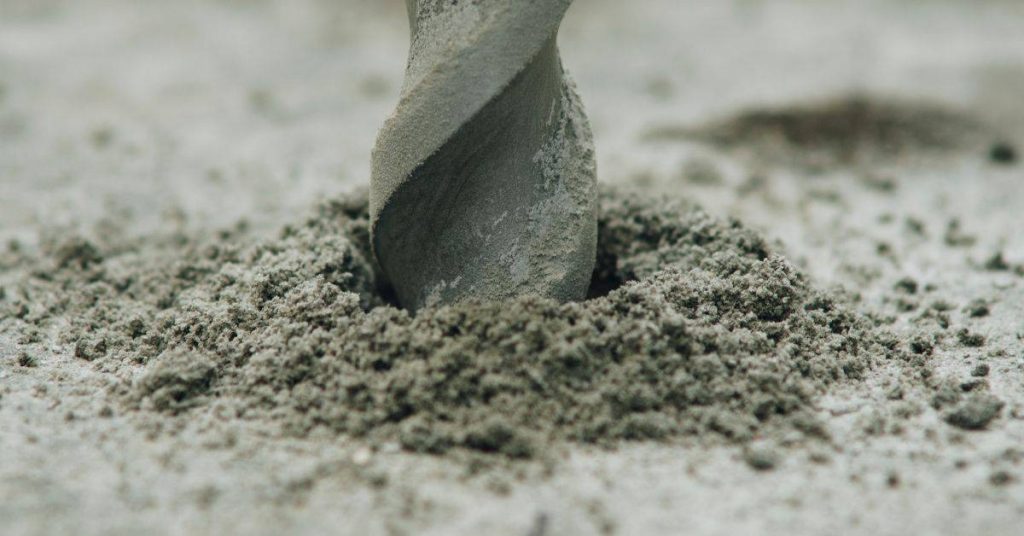
Concrete drill bit drilling into concrete with dust around

Bush-Hammered Concrete Finish: Tools, Dust Control, and Where It Makes Sense

Introduction Bush-hammered concrete finish is a textured surface created by striking the concrete with bush-hammer tools to expose the aggregate and create a rough, irregular pattern. This guide helps you think through what tools work, how to control dust, and where the finish makes sense in a DIY project. You’ll find practical notes on safety

Bush-Hammered Concrete Finish: Tools, Dust Control, and Where It Makes Sense Read More »