Search Results for: mortar type

Interior walls with unfinished drywall and visible joint compound

How to Finish Drywall Over OSB/Sheathing Interior Walls (Adhesion and Joint Strategy)

Introduction Finishing drywall over OSB means applying drywall to bare OSB sheathing with proper bonding, taping, and joint methods. Before you start, confirm the OSB is clean, dry, and reasonably flat and plan how you’ll attach the drywall. This approach centers on solid adhesion and clean joints without compromising the panel. Use the methods and […]

How to Finish Drywall Over OSB/Sheathing Interior Walls (Adhesion and Joint Strategy) Read More »

Drywall panels with taped and mudded joints in unfinished room

Drywall Butt Joint ‘Humps’: Prevention With Back-Blocking and Repair Options

Introduction A drywall butt joint hump is an uneven bump along a seam where two panels meet. It happens when compaction or framing flex creates a little bulge that catches the eye. This article covers how back-blocking and simple repair steps can keep seams flat. Back-blocking involves inserting solid material behind the joint to help

Drywall Butt Joint ‘Humps’: Prevention With Back-Blocking and Repair Options Read More »

Blue ladder against patched drywall with primed walls

Greenboard vs. Purple Board vs. Cement Board: Choosing Walls for Bathrooms (Real-World Limits)

Introduction Greenboard, purple board, and cement board are moisture-rated wall materials used in bathrooms. Each has different moisture tolerance, installation needs, and finish options, which affects where you should use them. For a practical DIY approach, start with what the product label and manufacturer instructions say about moisture exposure and prep. In real life, you

Greenboard vs. Purple Board vs. Cement Board: Choosing Walls for Bathrooms (Real-World Limits) Read More »

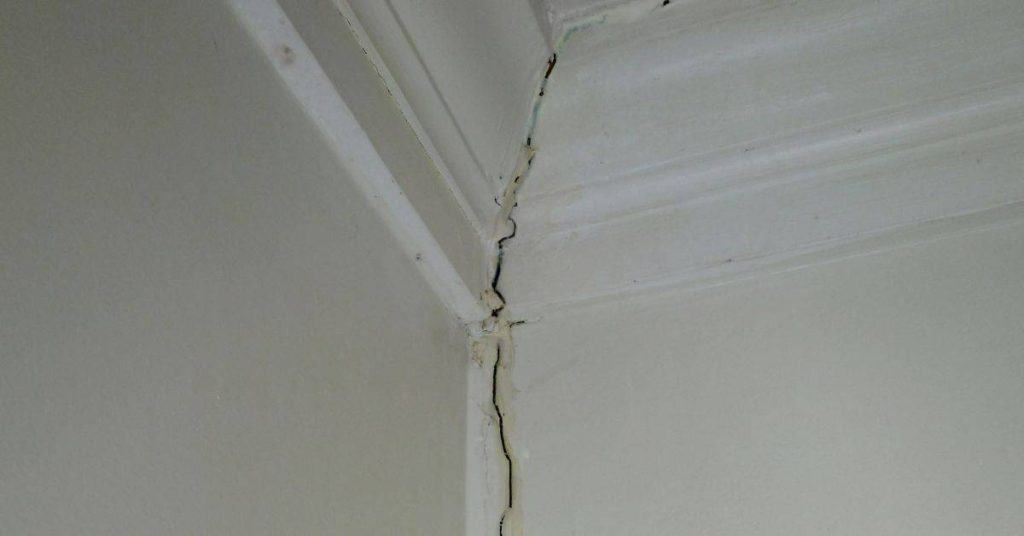
Crack running along wall and ceiling corner

Plaster Crack Monitoring: Simple Marking and Timing So You Don’t Patch Moving Cracks

Introduction Plaster crack monitoring is watching cracks to see if they move over time before deciding to patch. Mark the crack and check it again after a short period to see if the gap changed. Keep the marks simple and document any movement by noting the crack’s location and new markings, then compare to prior

Plaster Crack Monitoring: Simple Marking and Timing So You Don’t Patch Moving Cracks Read More »

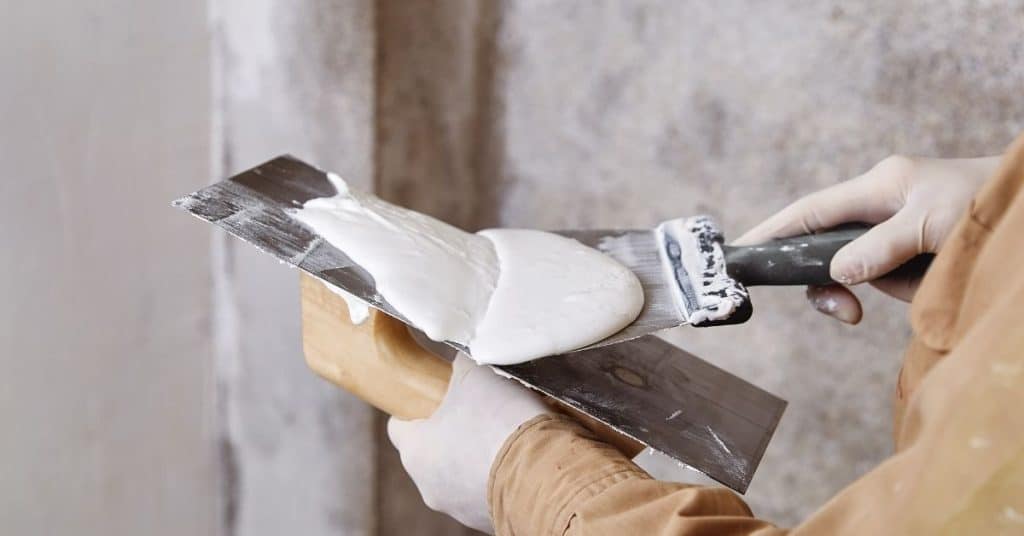
Person spreading white plaster on metal trowel with spatula

Mixing Lime Putty Plaster at Home: Safety, Storage, and Workability Tips

Introduction Mixing lime putty plaster is combining lime putty, sand, and water to create a workable plaster for traditional walls. This short guide focuses on safety, storage, and how to judge workability when you mix it at home. Always check manufacturer instructions and local rules for any exact ratios or requirements. Start with clean, dry

Mixing Lime Putty Plaster at Home: Safety, Storage, and Workability Tips Read More »

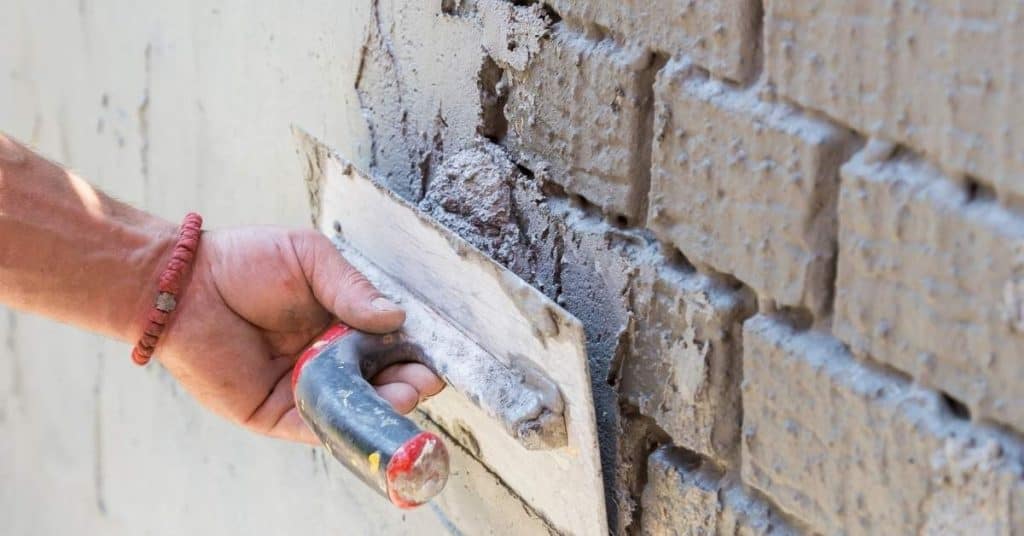
Hand applying plaster to rough brick wall with trowel

How to Patch Plaster Over Brick Arches Without ‘Shadow Lines’ Reappearing

Introduction Patching plaster over brick arches means applying new plaster to cover the brick and hide uneven shadows. You’ll aim for a flat, uniform surface that looks seamless with the surrounding wall. Work in small steps, keeping the mix workable and the surface clean as you go. Start by inspecting for loose bricks or dust,

How to Patch Plaster Over Brick Arches Without ‘Shadow Lines’ Reappearing Read More »

two buckets with plastering tools on concrete surface outdoors

Plaster Setting Time Control: Retarders, Cold Water, and Small-Batch Strategy

Introduction Plaster setting time control means managing how quickly plaster hardens so you can work it without it setting on you. In practice, you can use retarders, cold water, and small batches to buy yourself more time. Always follow the product label and local rules for compatibility and safety. Plan your mix so you can

Plaster Setting Time Control: Retarders, Cold Water, and Small-Batch Strategy Read More »

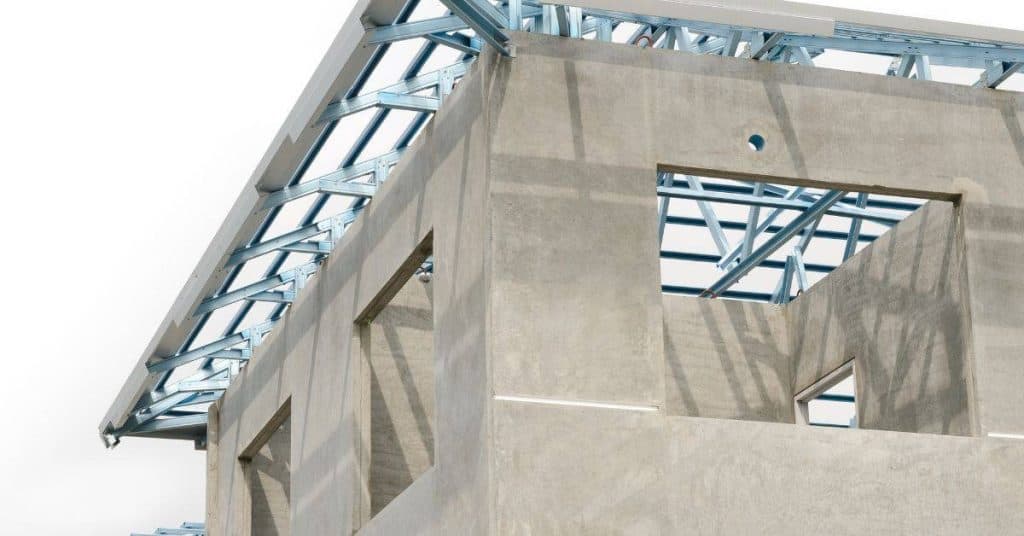
Precast concrete wall panels with metal roof framing

Interior Concrete Wall Efflorescence: Cleaning Without Driving Salts Deeper

Introduction Efflorescence is the chalky salt stain that forms on interior concrete walls when water carries soluble salts to the surface. It’s a surface phenomenon, not a stain from dirt, and it can reappear if moisture keeps moving through the wall. To clean it without driving salts deeper, use a light touch, rinse thoroughly, and

Interior Concrete Wall Efflorescence: Cleaning Without Driving Salts Deeper Read More »

Person applying plaster to brick oven dome with trowel

Plaster Repairs Over Masonry Fireplaces: Managing Heat Cycles and Soot Staining

Introduction Plaster repairs over masonry fireplaces are patches of plaster applied to brick or stone around the firebox to restore a smooth, protected surface. Heat cycles and soot staining can crack and discolor the area, so you approach it in layers and blend with the surrounding texture. Keep an eye on existing cracks and smoke

Plaster Repairs Over Masonry Fireplaces: Managing Heat Cycles and Soot Staining Read More »