Search Results for: mortar type

Cracked plaster corner with yellow and white walls

Salt Damage in Plaster: Stopping recurring powder and flaking on masonry walls

Introduction Salt damage in plaster is when mineral salts from the masonry migrate into the plaster and cause powdering and flaking. This often happens as moisture moves through the wall and brings salts to the surface, weakening adhesion. The fix starts with locating the moisture source and choosing a repair approach that fits the wall

Salt Damage in Plaster: Stopping recurring powder and flaking on masonry walls Read More »

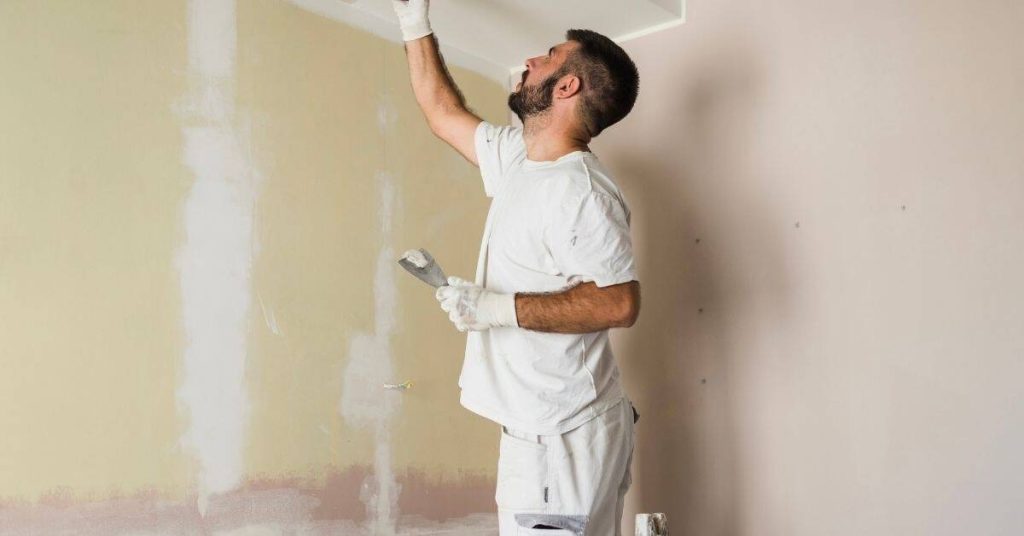
Man patching interior wall with plaster using putty knife

Patching Lime Plaster: Blending repairs without a color mismatch

Introduction Patching lime plaster is the process of repairing damaged areas so the new work matches the old finish. Work with lime plaster that matches the existing mix and color, and test color while it’s still workable to avoid a mismatch. Use feathered, gradual transitions and don’t overfill; the goal is a seamless repair. Prepare

Patching Lime Plaster: Blending repairs without a color mismatch Read More »

paintbrush resting on yellow paint bucket with roller tray and colorful paint buckets

Limewash Streaks: Preventing lap marks and uneven color

Introduction Limewash streaks are uneven color patches that appear as lap marks when the coating dries. This article explains practical, hands-on steps to prevent them while you’re working with limewash. You’ll learn simple checks and common-sense methods you can do on a DIY project. Start by preparing the surface well and applying limewash in consistent

Limewash Streaks: Preventing lap marks and uneven color Read More »

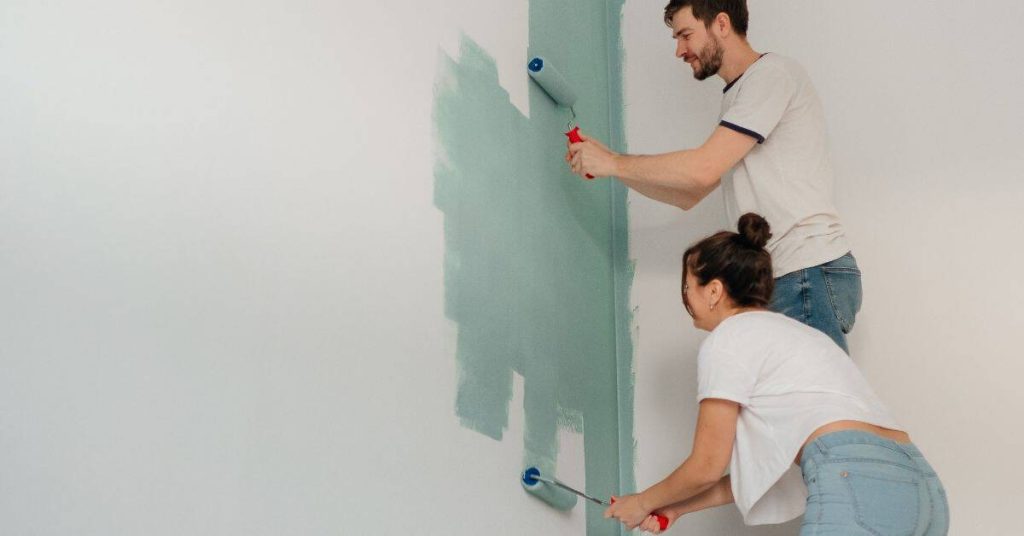
Man and woman painting white wall with green paint rollers

Painting Masonry Without Trapping Moisture: Breathability and prep that matter

Introduction Breathing masonry means choosing paints and prep that let moisture escape rather than trap it inside. That often means a breathable primer and coating, plus surface prep that removes loose material without sealing in dampness. Keep good airflow while you work and check for any damp spots before you start painting. Start with a

Painting Masonry Without Trapping Moisture: Breathability and prep that matter Read More »

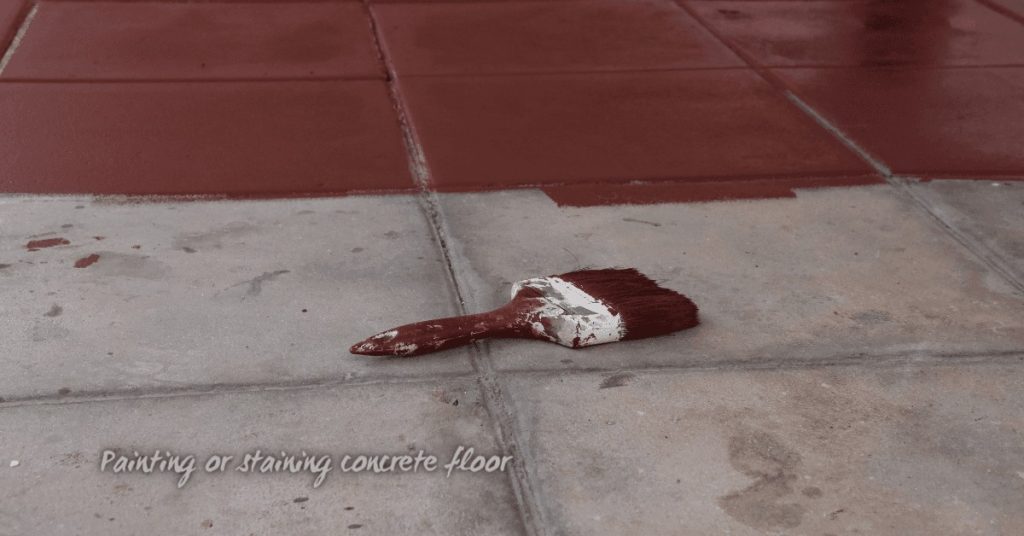
Paint brush resting on concrete floor tiles with red paint

Painting Concrete Block Basements: Preventing flaking and chalking

Introduction Painting concrete block basements is applying a coat of paint designed to bind to masonry and protect from moisture and wear. A good job starts with prep to stop flaky paint and chalky residues from coming back. Check your local rules and product instructions for compatible primers and finishes. Begin with a clean, dry

Painting Concrete Block Basements: Preventing flaking and chalking Read More »

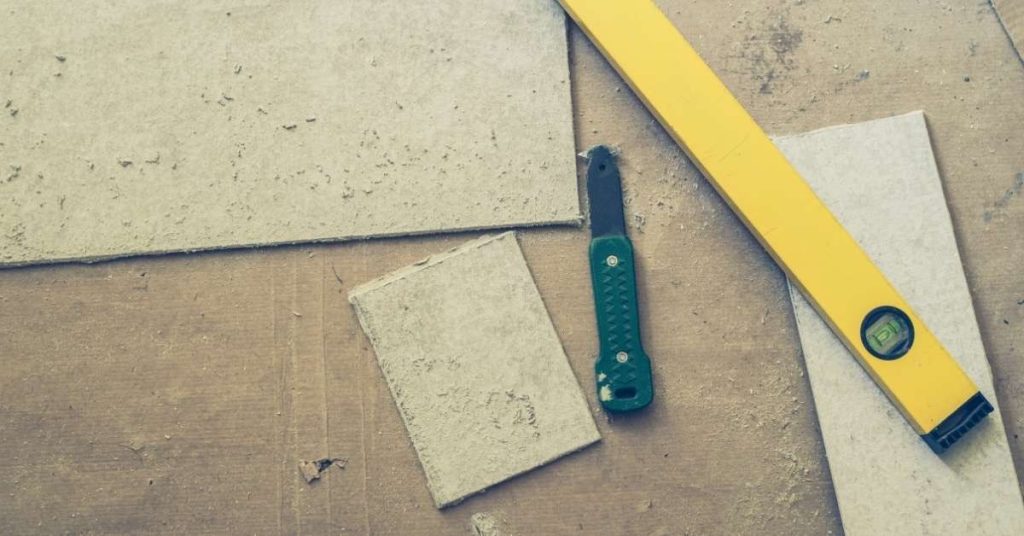
cut cement board pieces with utility knife and level nearby

Waterproofing Over Cement Board: Liquid Membrane vs Sheet Membrane (Pros/Cons)

Introduction Liquid membrane vs sheet membrane are two options for waterproofing cement board, each creating a moisture barrier. Liquid membranes are painted or rolled on as a coating, while sheet membranes come as pre-formed material you apply over the surface. Check manufacturer instructions and local rules for curing times, substrate prep, and limits of use.

Waterproofing Over Cement Board: Liquid Membrane vs Sheet Membrane (Pros/Cons) Read More »

Worker using power trowel on fresh concrete slab

Concrete Finishing in Wind: Evaporation Control and Burn Risks

Introduction Concrete finishing in wind means shaping and smoothing concrete while wind speeds pull moisture away, increasing surface evaporation. Wind can cause rapid surface drying and burn risks if you rush finishing actions. Work with small batches, plan timing, and watch the surface for signs of drying. Use evaporation control methods such as misting, shade,

Concrete Finishing in Wind: Evaporation Control and Burn Risks Read More »