Search Results for: moisture behind stucco

Worker wearing yellow helmet drilling into wall with power drill

Adding drainage to an existing block retaining wall: surface fixes vs partial rebuilds

Introduction Adding drainage to an existing block retaining wall involves improving water handling to prevent pressure buildup behind the wall. It covers surface fixes and partial rebuild options for managing run-off and seepage. This guide stays practical and aims to help you assess signs of drainage problems and choose safe approaches. You’ll start by identifying […]

Adding drainage to an existing block retaining wall: surface fixes vs partial rebuilds Read More »

Person using power drill on composite deck boards

Waterproofing block foundations: coatings vs membranes vs drainage boards

Introduction Waterproofing block foundations means choosing between coatings, membranes, or drainage boards to keep moisture from entering the structure. Coatings seal the surface, membranes create a continuous barrier, and drainage boards help direct water away from the wall. Think about how water will contact the wall and what prep is needed before any product is

Waterproofing block foundations: coatings vs membranes vs drainage boards Read More »

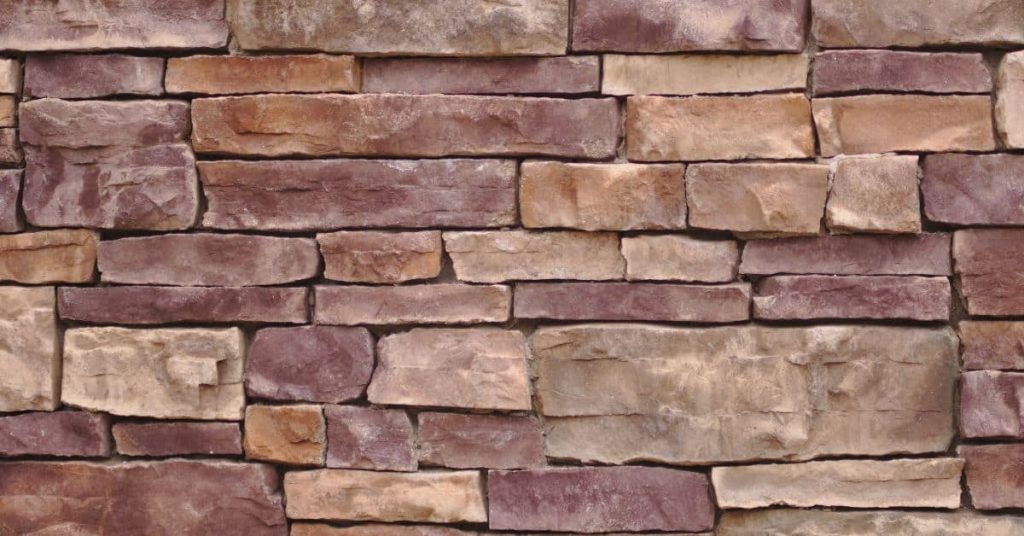
Close-up of stacked stone veneer wall in various brown shades

Brick veneer bulging: warning signs and why ‘just tuckpoint it’ is risky

Introduction Brick veneer bulging is when the outer brick layer appears to poke out or push away from the structure. This article focuses on what to watch for and why it matters in practical terms. It’s a hands-on topic, not a theoretical guide. Look for bulging along walls near openings, or where the veneer seems

Brick veneer bulging: warning signs and why ‘just tuckpoint it’ is risky Read More »

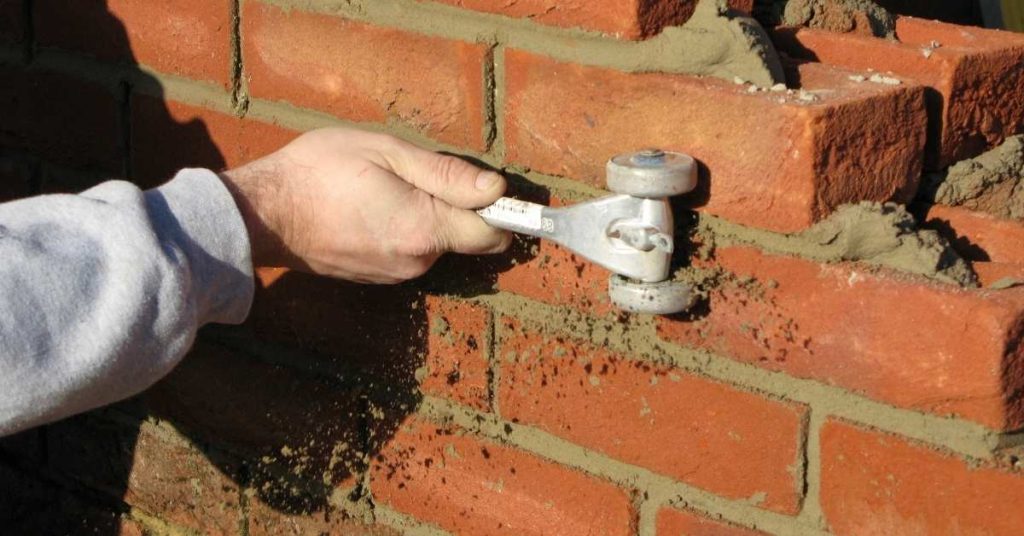
Hand using roller tool on fresh mortar between red bricks

Brick expansion joints: where they belong and how to reseal them

Introduction Brick expansion joints are gaps that allow movement between sections of brickwork as structures expand and contract. They help prevent cracking and mortar damage by accommodating seasonal and load changes. Identifying where these joints exist and how they should be resealed is a hands-on maintenance task rather than a cosmetic repair. Look for irregular

Brick expansion joints: where they belong and how to reseal them Read More »

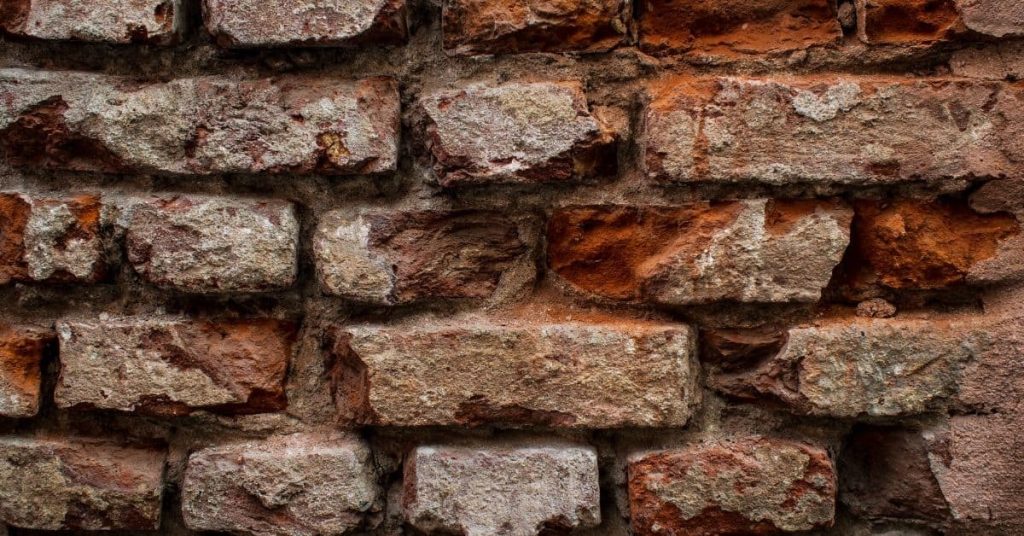
close-up of weathered rough red brick wall texture

Brick step settlement: drainage fixes and reset strategies that hold

Introduction Brick step settlement occurs when the treads move out of level due to soil drainage and footing issues. Identifying stair-step cracks and understanding basic causes helps you decide if a DIY reset is feasible. This guide sticks to plain language and practical steps you can assess on the job. Drainage fixes and reset strategies

Brick step settlement: drainage fixes and reset strategies that hold Read More »

Gloved hand using electric drill on textured wall

Installing house numbers on brick: standoff mounts that prevent water intrusion

Introduction Standoff mounts keep house numbers away from brick to prevent water intrusion. They attach with masonry anchors and provide clearance for the fasteners and the number itself. Choose a mount that suits your brick texture and weight, and check that the anchors and outdoor rating are appropriate for brick and moisture exposure. You’ll need

Installing house numbers on brick: standoff mounts that prevent water intrusion Read More »

earmuffs safety glasses and work gloves on white background

Bonding to old work: scarify vs grind vs acid (and why acid often disappoints)

Introduction Scarify, grind, or acid etch are methods to roughen old concrete to improve bonding for new toppings. Scarifying uses a rotating drum or blade to chip away the surface and create a rough profile, while grinding removes material with a diamond blade to level the surface. Acid etching chemically bites into the surface but

Bonding to old work: scarify vs grind vs acid (and why acid often disappoints) Read More »

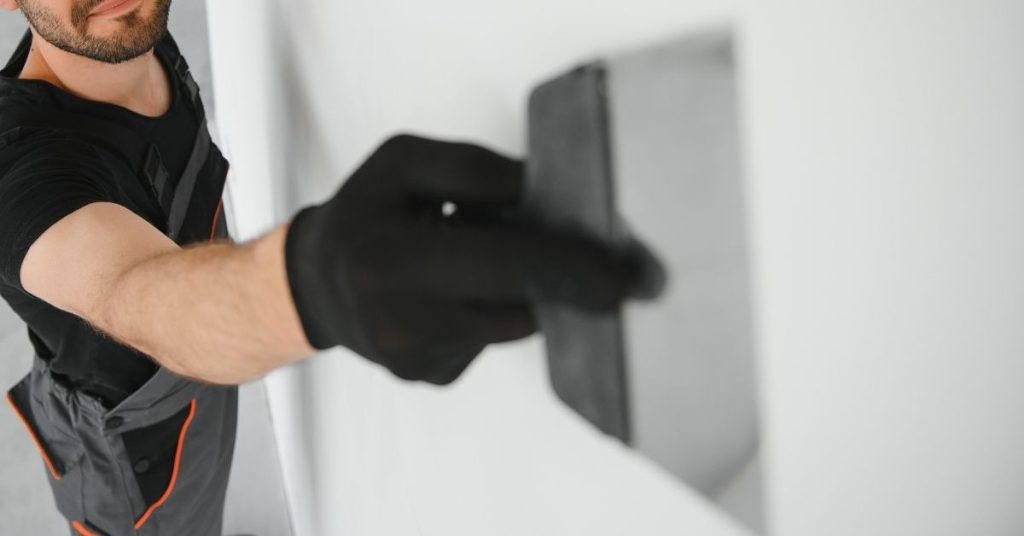
Worker smoothing plaster on wall with trowel

Plaster Near Masonry Chimneys: Expansion Gaps That Prevent Heat-Cycle Cracks

Introduction Expansion gaps between plaster and masonry chimneys help prevent cracks from heating and cooling. When the chimney heats up, the brick or metal behind the plaster expands and the plaster needs room to move. Without a gap, cracks can form as parts push against each other. To set this up during a DIY job,

Plaster Near Masonry Chimneys: Expansion Gaps That Prevent Heat-Cycle Cracks Read More »

Hand in blue glove cleaning white wall with green sponge

Cleaning and Resealing Polished Plaster: Soap Scum, Dull Spots, and Refresh Coats

Introduction Cleaning and resealing polished plaster means removing soap scum and dull spots and applying a fresh protective coat. This is a hands-on DIY job that restores the surface without tearing it out. Expect a light scrubbing, careful rinse, and a new sealant layer following the manufacturer’s instructions. Before you start, check the product labels

Cleaning and Resealing Polished Plaster: Soap Scum, Dull Spots, and Refresh Coats Read More »