Search Results for: large hole repair kit drywall

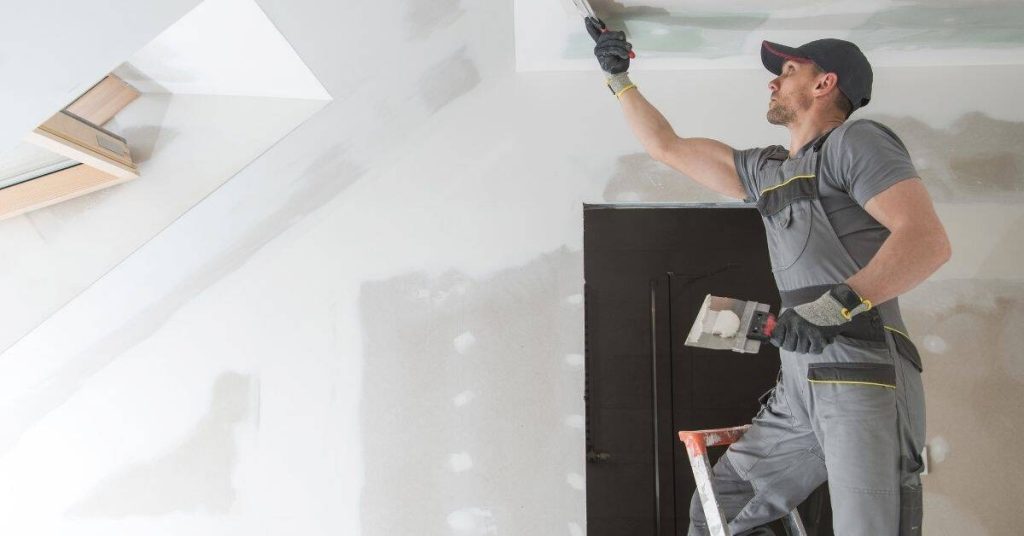
Worker drilling into drywall panel indoors

Drywall Anchors in Hollow Walls: Choosing by Load and Avoiding Blowout Repairs

Introduction Drywall anchors in hollow walls are devices that hold fasteners securely when the wall is thin or backed by empty space. They work by gripping inside the gypsum and spreading load to prevent pullout. Choose anchors based on the weight you plan to support and the wall thickness you’re dealing with. To avoid blowout, […]

Drywall Anchors in Hollow Walls: Choosing by Load and Avoiding Blowout Repairs Read More »
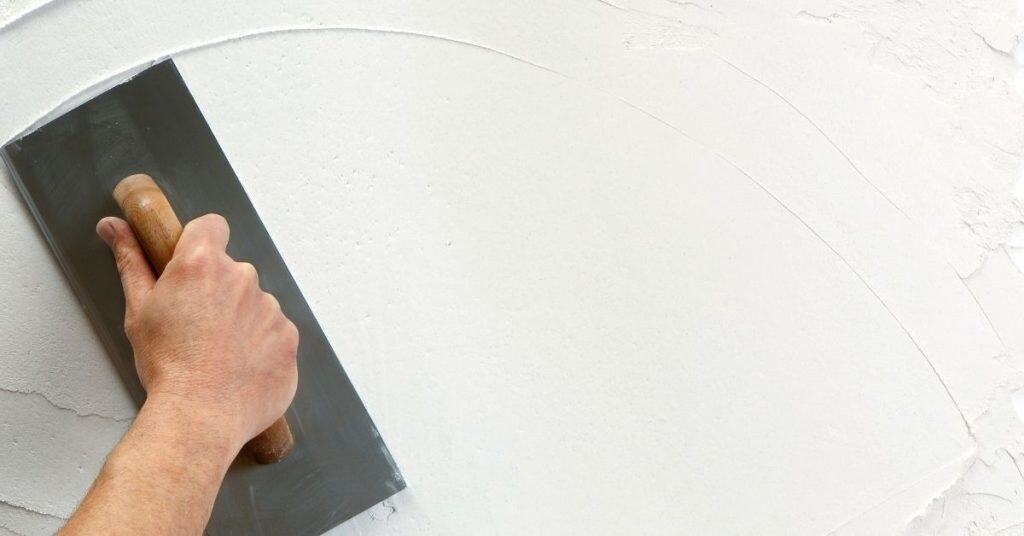
Hand holding trowel smoothing plaster on wall

Plaster Crack Repair That Lasts: Stabilize Movement Before You Patch

Introduction Stabilizing movement before patching means stopping the wall from shifting so the patch can stick. This is a hands-on job, not a quick cover-up. You’ll address the underlying cause first, then patch. Start by locating what’s moving in the wall and take steps to stop it. Secure loose framing with basic fixes and let

Plaster Crack Repair That Lasts: Stabilize Movement Before You Patch Read More »

Close-up of horizontal lap siding painted beige

Paint Telegraphing: Why Old Repairs Show Through and How to Hide Them

Introduction Paint telegraphing is the visible outline or pattern of old repairs showing through fresh paint. It happens when the underlying repairs or textures are different from the surrounding wall. In this article we’ll cover why it happens and how to reduce or hide it during a DIY repaint. Causes include uneven patches, old joint

Paint Telegraphing: Why Old Repairs Show Through and How to Hide Them Read More »

Person sanding drywall with power sander

Paint Sheen Flashing on Drywall: Controlling Porosity Before Finish Coats

Introduction Paint sheen flashing on drywall is the uneven absorbency you see when the wall soaks in primer or finish at different rates. It’s caused by porosity differences in the surface that show up as uneven sheen after the first coat. To address it, look for high-porosity spots and use a compatible primer to even

Paint Sheen Flashing on Drywall: Controlling Porosity Before Finish Coats Read More »

Man in blue overalls painting interior wall with roller

Paint Peeling on Interior Walls: Fast Diagnosis and Lasting Repairs

Introduction Paint peeling on interior walls is when old paint loses adhesion and starts flaking off. Common causes include moisture intrusion, sun exposure, or poor surface prep. Look for bubbling, cracking, or peeling at edges and near windows. To diagnose, check for ongoing moisture, test a small area to see if the paint re-adheres after

Paint Peeling on Interior Walls: Fast Diagnosis and Lasting Repairs Read More »

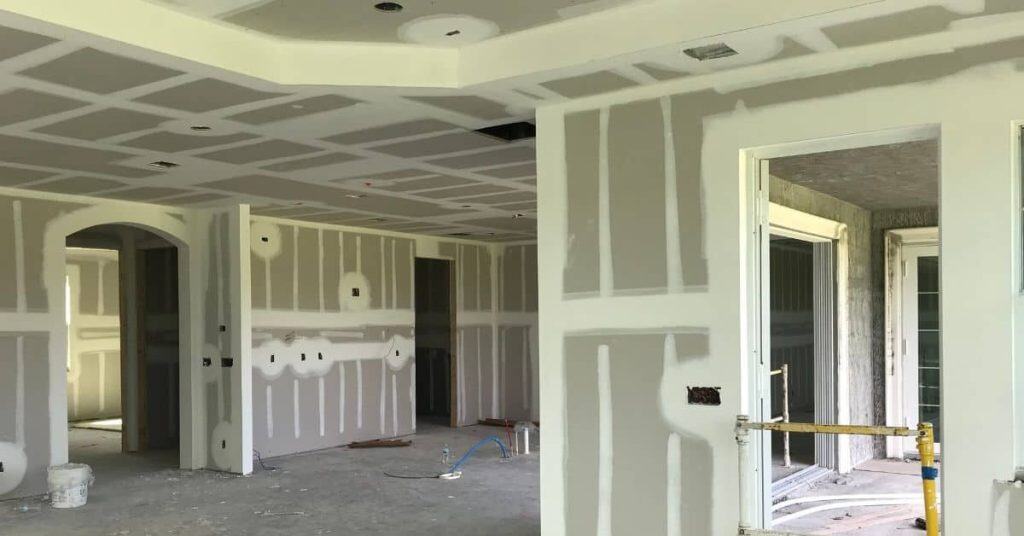
Interior room with drywall sheets taped and mudded on walls and ceiling

Drywall Installation Tips from Pros: Speed, Flatness, and Fewer Cracks

Introduction Drywall installation is the process of hanging and finishing gypsum boards to create smooth, ready-to-finish walls. Do it with careful planning and steady hands, and you’ll move faster without sacrificing results. Start by measuring, cutting, and staggering panels so seams don’t line up on the same wall. To speed things up, keep panels oriented

Drywall Installation Tips from Pros: Speed, Flatness, and Fewer Cracks Read More »

Fan of various tile samples with different colors and patterns

Color Sampling Without Regret: Lighting Checks and Large-Sample Method

Introduction Color sampling without regret is testing colors under real lighting with a large sample before committing. In practice, you inspect swatches or patches in the rooms where the work will happen, at different times of day, to see how they read. Make sure you check the actual light sources and surfaces you’ll be painting,

Color Sampling Without Regret: Lighting Checks and Large-Sample Method Read More »