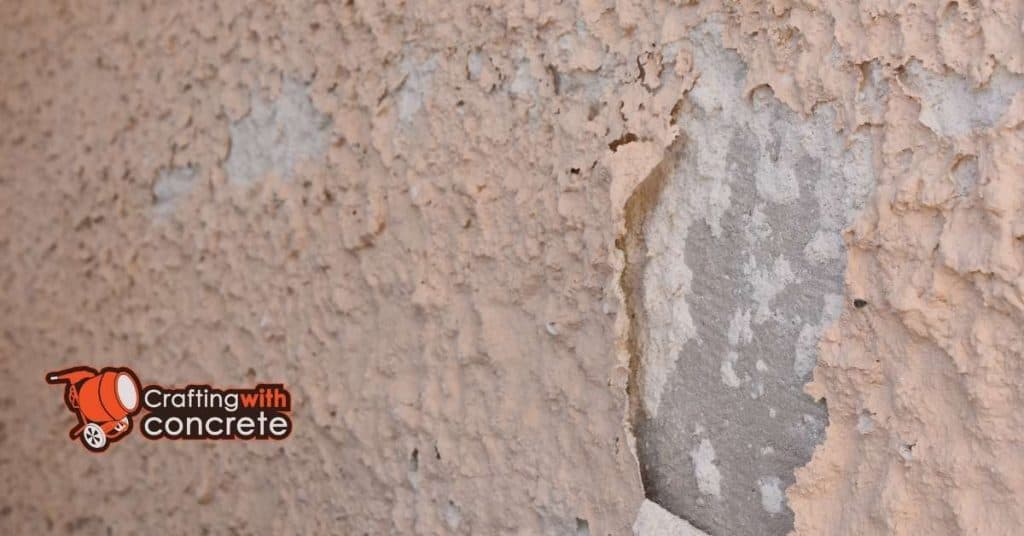
Search Results for: large hole repair kit drywall

How to Spot Hidden Moisture in Stucco with a Simple Meter

How to Spot Hidden Moisture in Stucco with a Simple Meter

Table of Contents Why hidden moisture in stucco and EIFS matters Quick overview of moisture meters: pin, pinless, and combo Choosing a single, affordable meter for DIY stucco checks When to test: timing and triggers Where to test on stucco and EIFS — high-risk zones Pre-inspection visual checklist Step-by-step scanning workflow using one simple meter […]

How to Spot Hidden Moisture in Stucco with a Simple Meter Read More »
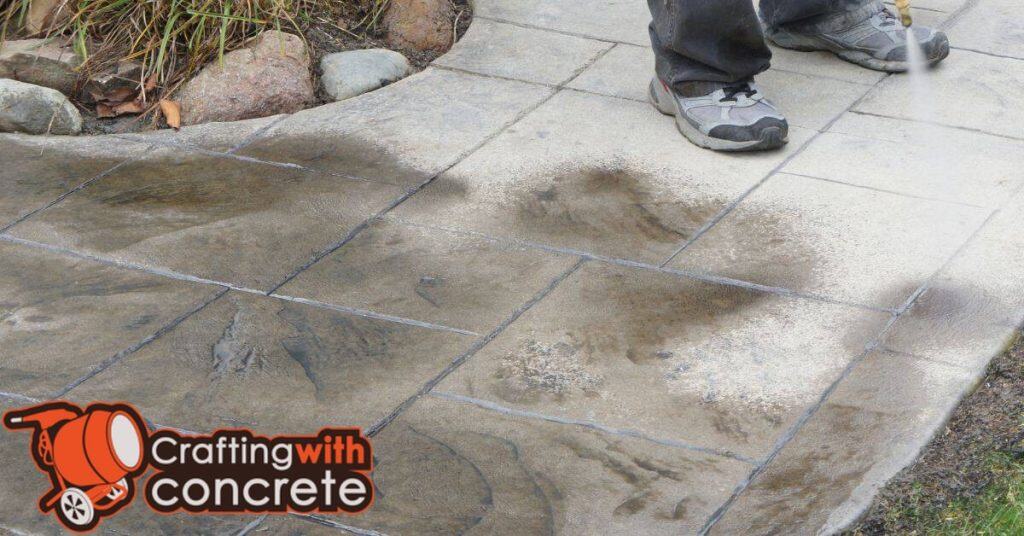
How to Patch Small Wrb Punctures with Liquid Flash Before Re-Stucco

How to Patch Small Wrb Punctures with Liquid Flash Before Re-Stucco

Table of Contents Why WRB Integrity Matters Before Stucco When to Use Liquid Flash vs. Tape or Full Panel Repair Recommended Liquid Flash Products and Compatibility Matrix Tools, PPE, and Materials Checklist Step‑by‑Step Repair Method for Small Punctures (Exact Technique) Curing, Environmental Limits, and Inspection Criteria Integration with Stucco Lath and Finish Work Troubleshooting, Common

How to Patch Small Wrb Punctures with Liquid Flash Before Re-Stucco Read More »

Patching Small WRB (Weather-Resistive Barrier) Punctures Before Re-Stucco

Patching Small WRB (Weather-Resistive Barrier) Punctures Before Re-Stucco

Table of Contents Why WRBs Matter for Stucco Cladding Types of WRB Materials Compatible with Stucco How to Inspect a WRB Before Re‑Stucco Diagnosing Punctures vs. Underlying Damage Approved Repair Materials and When to Use Them Step‑by‑Step: Patching Small Punctures in Housewrap Step‑by‑Step: Patching Punctures in Self‑Adhered Membranes Sealing Fastener Penetrations and Nail Holes Flashing

Patching Small WRB (Weather-Resistive Barrier) Punctures Before Re-Stucco Read More »

Using Butyl Tape Behind Exterior Fixtures in Stucco

Using Butyl Tape Behind Exterior Fixtures in Stucco

Table of Contents What is Butyl Tape and Why Use It on Stucco Types, Sizes, and Product Selection When to Use Butyl Tape vs. Caulk, Flashing, or Mechanical Seals Materials, Tools, and Safety Considerations Preparing Stucco and Fixture Surfaces Step-by-Step Installation for Common Exterior Fixtures Sealing Techniques for Wires, Conduits, and Small Penetrations Common Mistakes,

Using Butyl Tape Behind Exterior Fixtures in Stucco Read More »

Mounting Hose Bibs and Taps on Stucco Without Leaks

Mounting Hose Bibs and Taps on Stucco Without Leaks

Table of Contents Quick overview: why stucco needs special care Types of hose bibs, taps, and quick-connect adapters Tools, materials and parts checklist Locating the substrate and planning the penetration Preparing the wall: cut, brace, and flash correctly Installing the hose bib/tap: mounting and sealing steps Waterproofing finishes: exterior seal and interior protection Pressure testing

Mounting Hose Bibs and Taps on Stucco Without Leaks Read More »

Avoiding Blow-Through in Thin Walls While Drilling

Avoiding Blow-Through in Thin Walls While Drilling

Table of Contents Why blow-through happens: causes and mechanics Planning and safety checklist before you drill Choosing the right drill and settings Selecting the optimal drill bit for each substrate Techniques to control the exit and prevent chipping Workholding, supports, and jigs for consistent results Substrate-by-substrate step-by-step methods Accessories and shop solutions that make prevention

Avoiding Blow-Through in Thin Walls While Drilling Read More »

Testing Epoxy Expiration with a Small Sample

Testing Epoxy Expiration with a Small Sample

Table of Contents What “expired” epoxy means (chemical and practical definitions) Safety first: PPE, ventilation, and handling old epoxy Preparing a reliable small-sample test (materials, environment, and controls) Step-by-step mini-cup cure test (the core small-sample method) Quick qualitative checks before doing destructive tests (visual, smell, viscosity) Mechanical and functional small-sample tests (brittleness, hardness, adhesion) Diagnosing

Testing Epoxy Expiration with a Small Sample Read More »

Making Your Own Control Joint Tool from Scrap Steel

Making Your Own Control Joint Tool from Scrap Steel

Table of Contents What is a Control Joint Tool and Why Make One from Scrap Steel Concrete Joint Standards and Design Requirements Materials — Choosing the Right Scrap Steel Tools, Consumables, and Safety Gear Needed Design Options and Templates (Fixed vs Adjustable) Step-by-Step Fabrication: Cutting and Shaping Parts Assembly and Welding Best Practices Heat Treatment,

Making Your Own Control Joint Tool from Scrap Steel Read More »

Sealing Stained Concrete Without Muting the Color

Sealing Stained Concrete Without Muting the Color

Table of Contents Why Seal Stained Concrete? Benefits and Trade-offs Will Sealing Change the Color? How Sealers Affect Appearance Types of Sealers and Their Visual Impact Choosing the Right Finish: Matte, Satin, or Gloss Surface Prep and Testing Before Sealing Application Methods That Minimize Color Change Avoiding Slipperiness While Preserving Appearance Indoor vs. Outdoor Considerations

Sealing Stained Concrete Without Muting the Color Read More »