Search Results for: large hole repair kit drywall

Paint roller applying gray paint on white wall

How to Paint and Finish Correctly (DIY Steps + Stop Rules)

Introduction Painting and finishing correctly means preparing the surface, choosing the right finish, and applying it evenly while protecting surrounding areas. Key takeaways Inspect surfaces for peeling paint and moisture before priming or sealing. Choose primer for substrate and stain-blocking needs per label guidelines. Sand edges and smooth substrate to prevent paint irregularities. Apply thin […]

How to Paint and Finish Correctly (DIY Steps + Stop Rules) Read More »
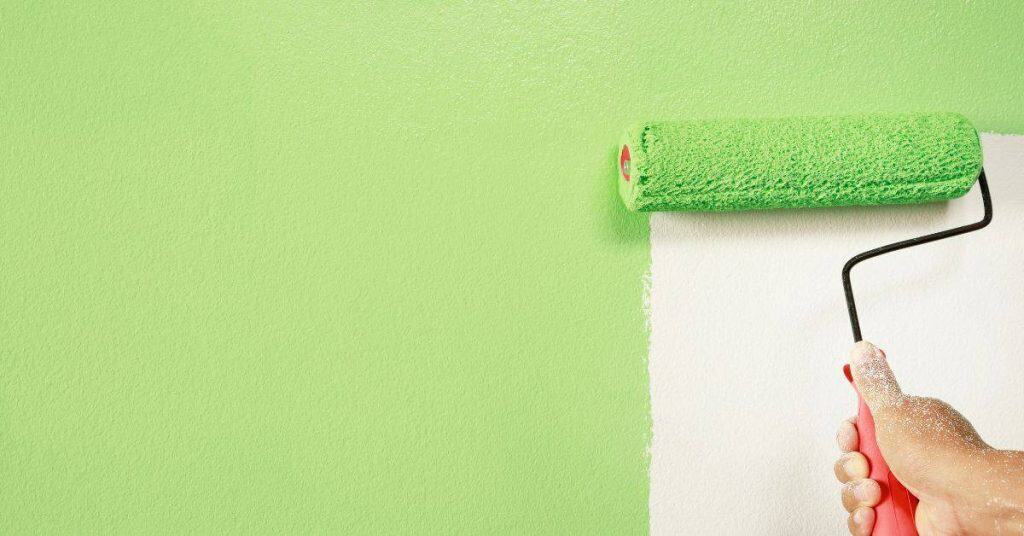
Hand using roller to apply green paint on white wall

10 Tips for a Long-Lasting Paint Job (Problems Explained: Causes, Testing, and Fixes)

Introduction A long-lasting paint job comes from thorough prep, proper materials, and careful application. Start with surface prep to remove peeling paint, clean dirt, and repair cracks, then check the surface for texture and moisture before choosing paint. Choose paint type based on the surface and environment, and read the label for recoat times and

10 Tips for a Long-Lasting Paint Job (Problems Explained: Causes, Testing, and Fixes) Read More »

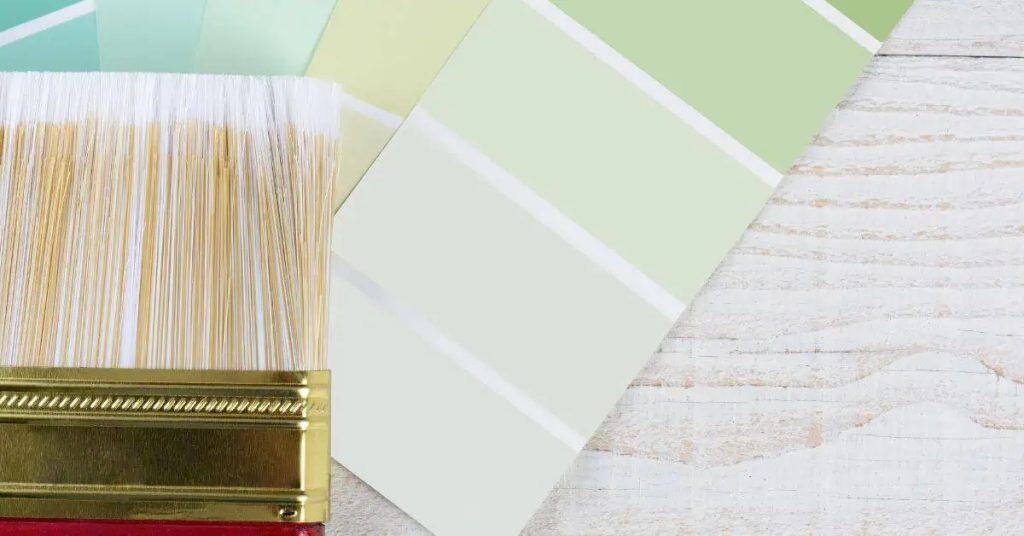
Paint brush and green paint color swatches on wooden surface

2026 Paint Color Trends (Problems Explained: Causes, Testing, and Fixes)

Introduction 2026 Paint Color Trends explains which colors are popular this year and how to handle common paint issues. We’ll cover causes of problems, how to test quality, and practical fixes for DIY projects to keep walls and surfaces looking right. Look for Silhouette AF-655 as the Color of the Year 2026 and see how

2026 Paint Color Trends (Problems Explained: Causes, Testing, and Fixes) Read More »

Partially painted blue wall with visible brush strokes

Paint Colors Designers Regret Using (Problems Explained: Causes, Testing, and Fixes)

Introduction The main issue is choosing paint colors that look good in swatches but fail in real rooms. Wrong lighting, undertones, and sheen can make a color feel totally different once it’s on walls. In this article I’ll break down causes, quick checks, and simple fixes you can try. To prevent regrets, test colors in

Paint Colors Designers Regret Using (Problems Explained: Causes, Testing, and Fixes) Read More »

Worker smoothing plaster wall wearing blue overalls and helmet

Skim Coating over Painted Plaster: How to Test Adhesion Before Committing

Introduction Skim coating over painted plaster requires testing adhesion first to know if the surface will hold the skim. Start by making sure the painted layer is sound, clean, and free of wax, flaking paint, or dust, and plan any necessary surface preparation before you proceed. This quick check helps you decide whether to go

Skim Coating over Painted Plaster: How to Test Adhesion Before Committing Read More »

Worker smoothing plaster on wall with trowel wearing gloves and cap

Hardwall Plaster on Masonry: Achieving a Flat Plane Without “Waves”

Introduction Hardwall plaster on masonry is applying a cement-based coating to brick or block to create a flat, level surface. It means you’re sealing the rough masonry and guiding the plaster down to a true plane. Start by checking the wall for moisture and any loose material, then read the instruction on the product label

Hardwall Plaster on Masonry: Achieving a Flat Plane Without “Waves” Read More »

Decorative plaster corbel on exposed brick wall

Rebuilding Decorative Plaster Edges: Simple Molds You Can Make to Match Profiles

Introduction Rebuilding decorative plaster edges means making simple, handmade molds to reproduce the profile you want. You can shape the mold from clay or use basic flexible material to match the original edge, then set it up for casting. Check the profile on the piece and follow manufacturer instructions or local rules for materials and

Rebuilding Decorative Plaster Edges: Simple Molds You Can Make to Match Profiles Read More »

Worker applying plaster to wall with trowel and hawk

Plaster and Vapor: Where Breathability Matters in Older Walls

Introduction Breathable plaster and finishes are materials that allow moisture to move through walls while still providing a solid, decorative surface. In practical DIY terms, that means choosing coatings that don’t seal the wall airtight, so old walls can dry out after moisture events. This matters most on older homes with lime or clay components

Plaster and Vapor: Where Breathability Matters in Older Walls Read More »

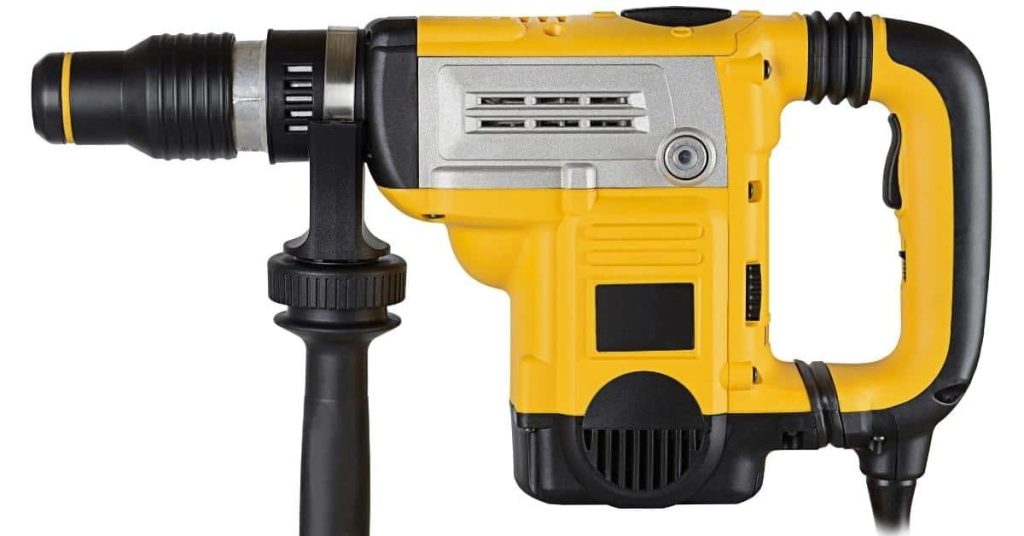
Yellow and black electric hammer drill on white background

Removing Tile Without Destroying the Substrate: Tool Choices and Realistic Expectations

Introduction Removing tile without destroying the substrate means lifting the tile and backing material carefully while protecting the surface underneath. Have the right tools ready, like a chisel, a pry bar, and an oscillating multi-tool with a scraper blade, and plan your work so you don’t pry blindly. Start by testing a corner tile and

Removing Tile Without Destroying the Substrate: Tool Choices and Realistic Expectations Read More »

Adding a Decorative Band: How to Attach Trim Screeds and Keep Lines Straight

Adding a Decorative Band: How to Attach Trim Screeds and Keep Lines Straight

Introduction Adding a decorative band means attaching trim screeds along a wall to create a framed, visual line while keeping the lines straight. Choose trim and screws appropriate for your surface and check the label or manufacturer instructions for compatibility. Keep the line true with a chalk line and clamps as you set each piece.

Adding a Decorative Band: How to Attach Trim Screeds and Keep Lines Straight Read More »