Search Results for: large hole repair kit drywall

Vinyl corner bead strip with perforations beside orange safety mesh.

Corner Bead Choices: Metal vs. Vinyl vs. Paper-Faced (When Each One Wins)

Introduction Corner bead choices are metal, vinyl, or paper-faced trims used to form and protect drywall corners. Metal beads are sturdy, vinyl beads stay flexible, and paper-faced beads rely on drywall paper and mud to hold shape. This article keeps the talk practical for DIY installs. To pick one, consider where the corner will see […]

Corner Bead Choices: Metal vs. Vinyl vs. Paper-Faced (When Each One Wins) Read More »
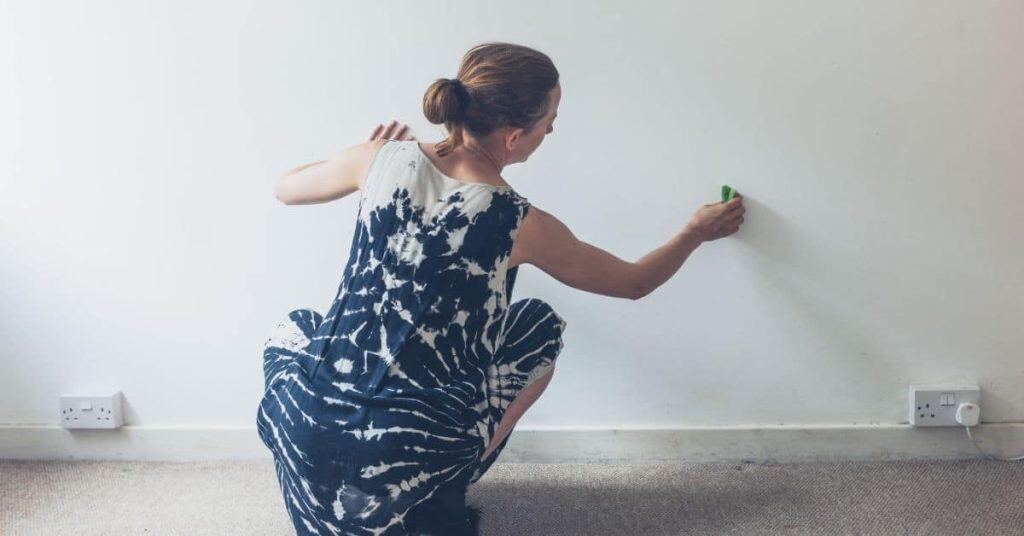
Woman inspecting white wall near carpeted floor

Blocking Water Stains on Ceilings: Drying Checks Before You Prime and Paint

Introduction Blocking water stains on ceilings means stopping moisture and stains from showing through the paint by drying and prepping the surface before priming. You’ll want the area to feel dry, flat, and clean before you apply any primer. This is a hands-on, practical step you can handle with common tools and a bit of

Blocking Water Stains on Ceilings: Drying Checks Before You Prime and Paint Read More »

Close-up of blue stucco wall texture with raised sections

Fasteners Through Stucco: Sealing Strategies That Don’t Create Water Traps

Introduction Fasteners through stucco are methods for attaching items to a stucco surface while keeping water from getting trapped behind it. In practice, you need a seal that sheds water and a proper flashing path so moisture can’t linger. This article speaks in plain terms about choosing fasteners and sealants without creating hidden leaks. To

Fasteners Through Stucco: Sealing Strategies That Don’t Create Water Traps Read More »

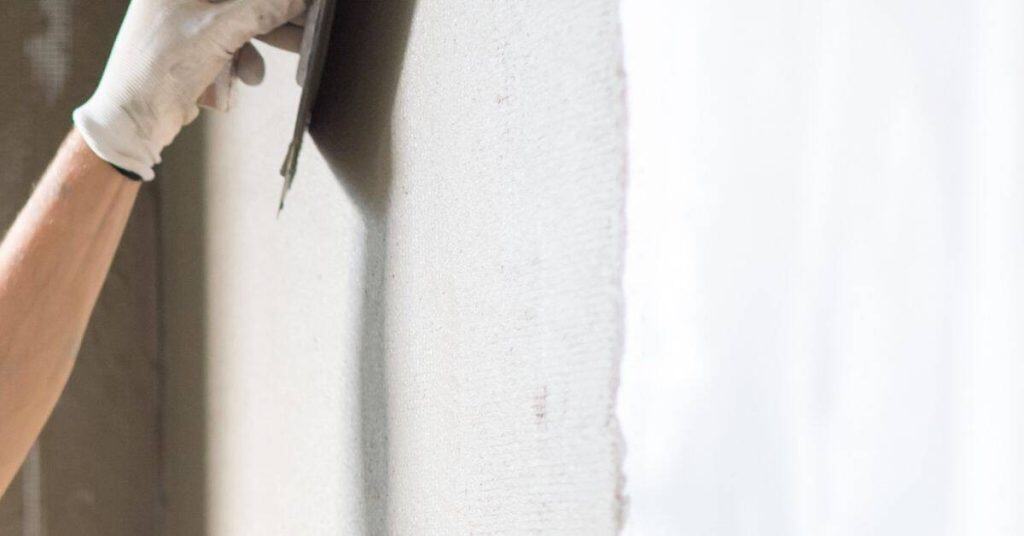
Hand applying textured plaster to ceiling with trowel

Textured Wall Panels: Trend Ideas, Installation Tips, and Common Failures

Introduction Textured wall panels are decorative panels added to walls to create tactile surfaces and pattern. Common options include PVC, wooden, and MDF panels, each with its own look and installation needs. Before starting, check how your chosen panel type attaches to your wall, what tools are recommended, and local rules about moisture or fasteners.

Textured Wall Panels: Trend Ideas, Installation Tips, and Common Failures Read More »

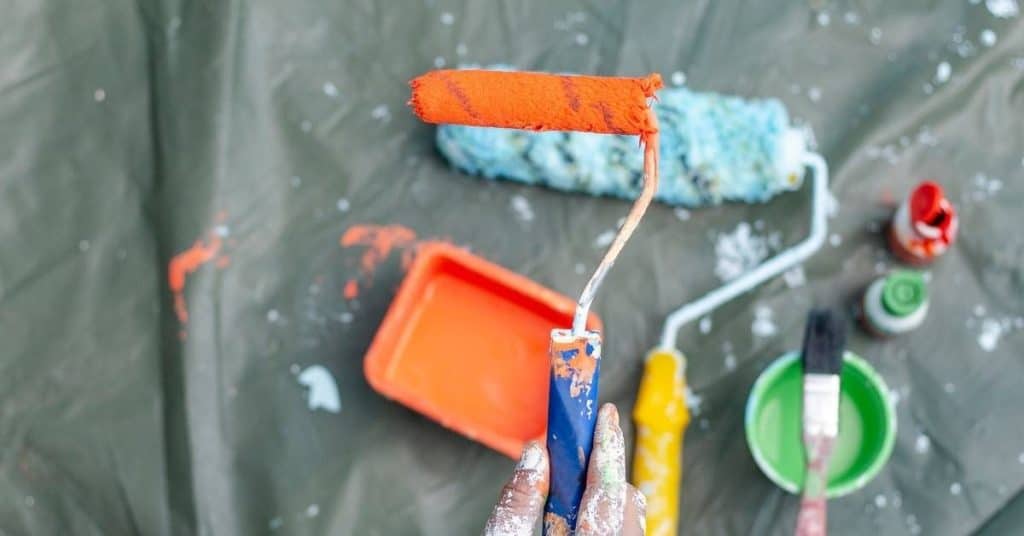
Hand holding paint roller with orange paint over plastic drop cloth

Special-Effect Paint Rollers: 9 Finishes, How They’re Done, and When They Fail

Introduction Special-effect paint rollers create textured or patterned finishes on walls using unique roller covers. They work with ordinary paint and standard tools, but the roller design dictates the look. This introduction covers the main types, how to apply them, and common failure points to watch for. Types include swirls, stipple-like textures, comb patterns, and

Special-Effect Paint Rollers: 9 Finishes, How They’re Done, and When They Fail Read More »

Person painting interior wall with roller near ceiling

Interior Paint Prep: 10 Simple Steps for Better Adhesion and Fewer Flaws

Introduction Interior paint prep means getting walls and nearby surfaces ready so paint sticks well and dries smooth. Start by clearing the room or work area and removing obstacles that block access to the walls. Then inspect for damage, peeling paint, or rough patches and plan any small fixes before you begin. Choose simple tools

Interior Paint Prep: 10 Simple Steps for Better Adhesion and Fewer Flaws Read More »

Open paint cans with various colors on wooden surface

Uneven Coverage With Dark Colors: Undercoats and Recoat Strategy

Introduction Uneven coverage with dark colors happens when undercoats and topcoats don’t lay down evenly, leaving visible patches and color shifts. That’s usually tied to how you prep, prime, and apply the coats. A careful, consistent plan helps you avoid mottling and streaks on the final finish. Start by choosing a primer and undercoat strategy

Uneven Coverage With Dark Colors: Undercoats and Recoat Strategy Read More »