Search Results for: joint sealant for concrete

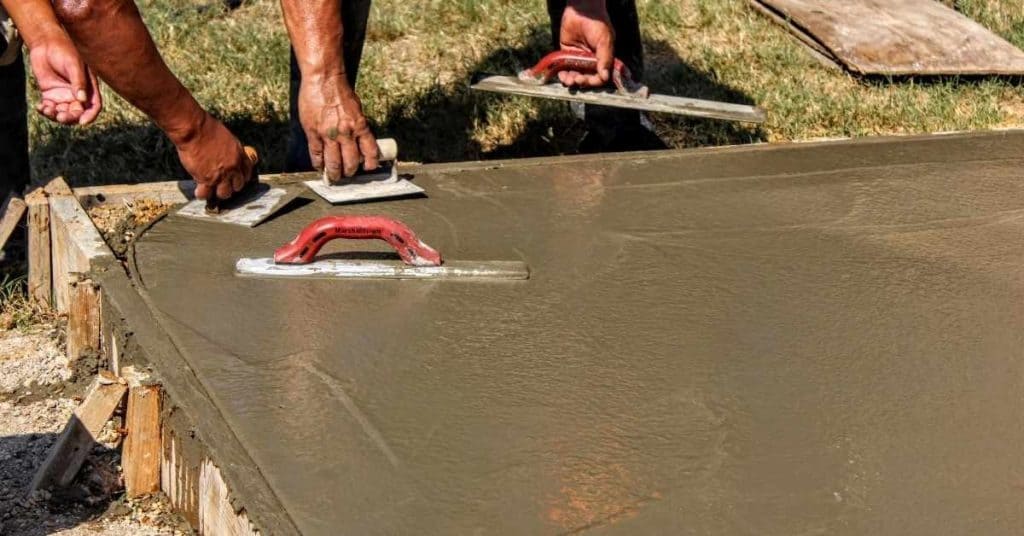
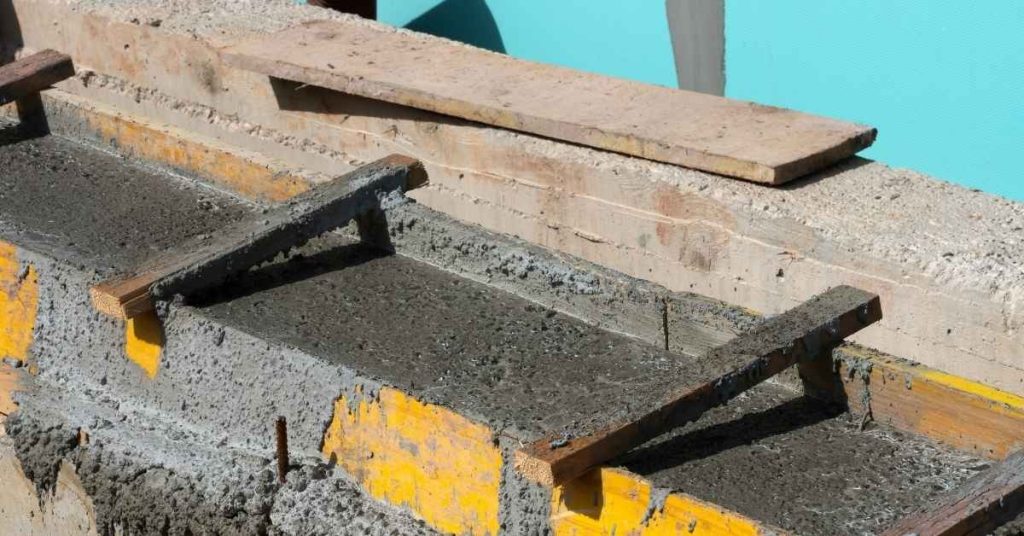
Fresh concrete poured into wooden formwork outdoors

Concrete Pour in the Rain: What to Do Before, During, and After

Introduction Pouring concrete in rain is risky and generally not advised. Weather can affect strength and finish, so plan for dry conditions if possible. If rain is unavoidable, check local guidelines and follow manufacturer and code instructions. Protect the mix, forms, and tools from direct rain and keep the work area as dry as possible. […]

Concrete Pour in the Rain: What to Do Before, During, and After Read More »
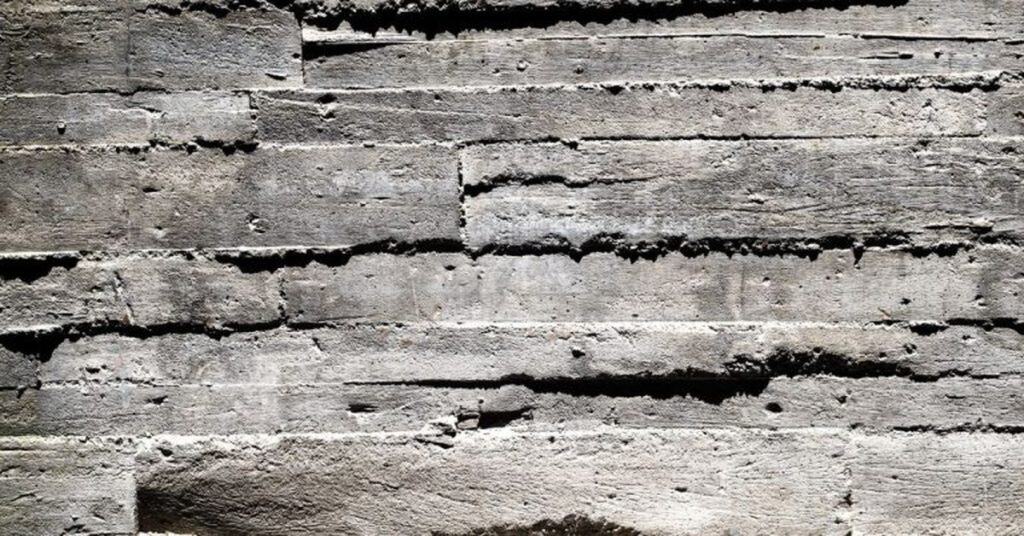
Close up of rough concrete surface with wood form texture

Vapor Barrier Under Concrete Slabs: When You Need It and How to Install It

Introduction A vapor barrier under concrete slabs is a sheet or layer placed beneath the slab to slow or stop moisture from the ground. Use it when the soil is damp, there is a chance of rising moisture, or the project requires a dry, stable floor. Check local guidance and the manufacturer’s installation instructions for

Vapor Barrier Under Concrete Slabs: When You Need It and How to Install It Read More »

Smooth concrete slab with visible control joint lines

How to Layout Control Joints for a Patio, Driveway, and Garage Slab

Introduction Control joints are intentional gaps placed in a concrete slab to control where it cracks. When laying out a patio, driveway, or garage slab, plan the joints to create a clean, predictable pattern that follows the overall shape. Check local rules and the product instructions for allowable spacing and methods before you start. Decide

How to Layout Control Joints for a Patio, Driveway, and Garage Slab Read More »

Concrete surface being grooved with a hand tool

Control Joints Vs Expansion Joints in Concrete: Placement, Spacing, and Timing

Introduction Control joints are deliberate grooves that control where cracks form, while expansion joints separate slabs to accommodate movement. In practice, placement is planned during finishing to guide cracking, and timing depends on how the concrete cures and hardens. Always check manufacturer instructions and local rules for any specific requirements. Spacing and type depend on

Control Joints Vs Expansion Joints in Concrete: Placement, Spacing, and Timing Read More »

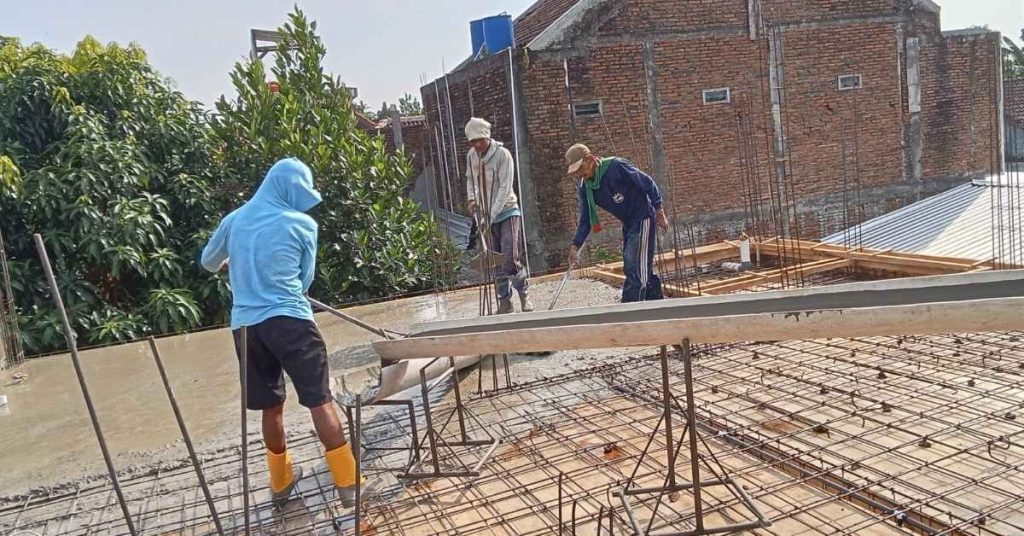
Workers pouring concrete over rebar grid on construction site

Concrete Slab Thickness Guide: 4-Inch, 5-Inch, 6-Inch and When Each Makes Sense

Introduction This guide explains when to use concrete slabs of 4, 5, or 6 inches. The thickness you choose depends on the finished use, soil conditions, and expected load. Always check local rules and project requirements before pouring. In the field, folks often opt for lighter slabs for simple patios, while heavier loads call for

Concrete Slab Thickness Guide: 4-Inch, 5-Inch, 6-Inch and When Each Makes Sense Read More »

Best Sealant Joint Detail at Windows: Where to Caulk and Where *not* to

Best Sealant Joint Detail at Windows: Where to Caulk and Where *Not* to

Introduction The best sealant detail for windows is to caulk only the joints that require a flexible, sealed connection and to leave other joints unsealed where drainage or ventilation is needed. You’ll learn how to decide where to apply caulk, what kinds of sealants to consider, and how to prep and apply for a durable

Best Sealant Joint Detail at Windows: Where to Caulk and Where *Not* to Read More »

How to Fix Concrete Plasticizer Problems (DIY Steps + Stop Rules)

How to Fix Concrete Plasticizer Problems (DIY Steps + Stop Rules)

Introduction Identify and correct concrete plasticizer issues by adjusting mix ratios and curing practices. This article explains why plasticizer inconsistencies matter for strength and surface quality, and it offers practical steps, tips, and rules of thumb for diagnosing and addressing common symptoms. You’ll learn how to assess mix quality, select appropriate adjustments, and implement repeatable

How to Fix Concrete Plasticizer Problems (DIY Steps + Stop Rules) Read More »