Search Results for: joint sealant for concrete

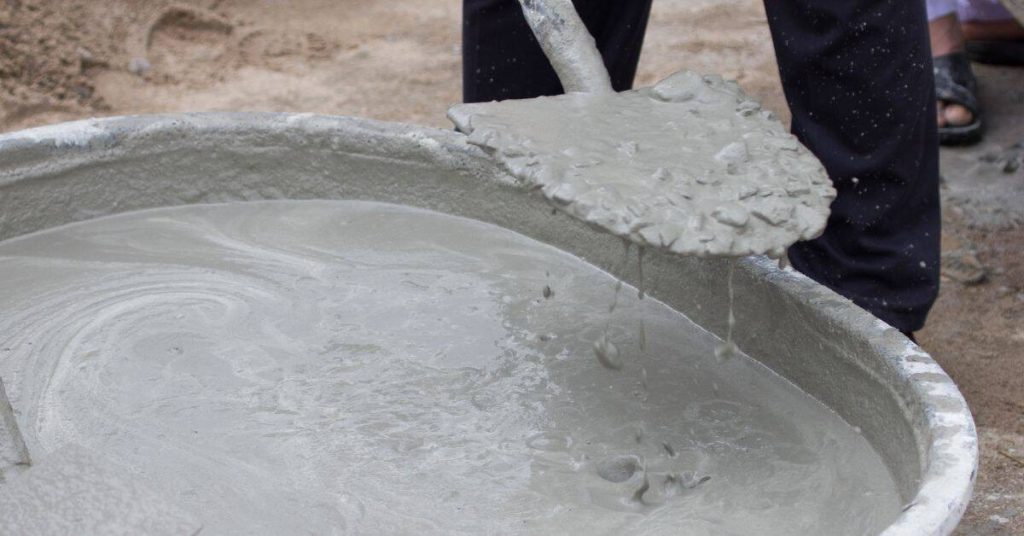
Wet concrete being mixed in a large basin with a shovel

Concrete Pigment Streaks: Mixing order and water control to prevent banding

Introduction Pigment streaks in concrete happen when mixing order and water balance create color bands. This article explains how to mix pigments with cement and manage water so the color stays even. Keep in mind proper timing and consistency as you work. Start by blending pigment powder with a small portion of dry mix before

Concrete Pigment Streaks: Mixing order and water control to prevent banding Read More »

Concrete slab being smoothed with a long-handled float

Concrete Tool Cleanup: Keeping floats flat, trowels smooth, and handles solid

Introduction Concrete tool cleanup means removing concrete residue and debris from floats, trowels, and handles so they stay flat and true. Do it soon after use while the slab is still workable, and focus on each tool as you walk off the job. This keeps your finishes consistent and your gear ready for the next

Concrete Tool Cleanup: Keeping floats flat, trowels smooth, and handles solid Read More »

Room with drywall installed and joint compound patches visible

Repairing Raveled Joints: Rebuilding joint edges without creating a weak strip

Introduction Repairing raveled joints means rebuilding the edge of a concrete joint where the surface material has torn loose, without creating a weak, thin strip. Raveling happens when the joint edge flakes or spalls and exposes loose material that won’t hold up under movement. This is a hands-on job: you’ll remove the loose stuff, clean

Repairing Raveled Joints: Rebuilding joint edges without creating a weak strip Read More »

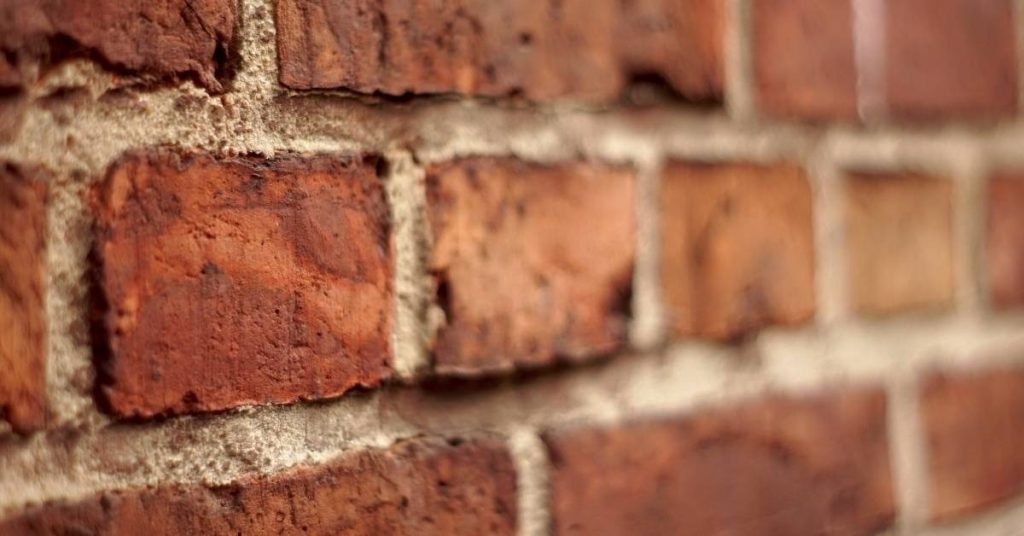
Closeup of red brick and mortar joints in wall

Caulk Pulling Away From Stucco: Why joints fail and how to rebuild them

Introduction Caulk pulling away from stucco happens when the seal between the joint and surface fails, allowing the caulk to separate from the wall. Common causes include movement in the building, sun and weather wear, improper surface prep, and using the wrong type of caulk. These gaps can trap moisture and worsen cracking, so addressing

Caulk Pulling Away From Stucco: Why joints fail and how to rebuild them Read More »

Paint brush resting on concrete floor tiles with red paint

Painting Concrete Block Basements: Preventing flaking and chalking

Introduction Painting concrete block basements is applying a coat of paint designed to bind to masonry and protect from moisture and wear. A good job starts with prep to stop flaky paint and chalky residues from coming back. Check your local rules and product instructions for compatible primers and finishes. Begin with a clean, dry

Painting Concrete Block Basements: Preventing flaking and chalking Read More »

Modern living room with grey couch and concrete floor

Concrete Floor Vapor Emissions: Why Some Sealers Fail Even on “Dry” Slabs

Introduction Vapor emissions are moisture moving through a concrete floor and can undermine sealers. Even slabs labeled “dry” can give off moisture that needs to be addressed. You’ll want a practical plan for diagnosing and dealing with that moisture before sealing. Before sealing, verify the slab is truly dry and compatible with the sealer you

Concrete Floor Vapor Emissions: Why Some Sealers Fail Even on “Dry” Slabs Read More »

Partially built block wall foundation at construction site with dirt mounds

Radon Sealant Choices: What Sticks to Poly Vapor Barriers

Introduction Radon sealants are products designed to bond to poly vapor barriers and help block radon movement. Choose one based on surface compatibility, curing behavior, and how it behaves on smooth plastic. Consider the features and physical properties, like adhesion, elasticity, and moisture tolerance, to see what fits your setup. Always read the label for

Radon Sealant Choices: What Sticks to Poly Vapor Barriers Read More »

Hand tool smoothing a concrete slab surface outdoors

Concrete Dust Control: HEPA Vac Basics for Grinders and Cutters

Introduction HEPA vacuums are high‑efficiency cleanup tools that trap fine concrete dust while you grind or cut. They help reduce airborne dust exposure and keep your work area cleaner, especially when paired with the grinder or cutter you’re using. Use them with care, following the tool’s setup steps and maintaining the filter and hose connection

Concrete Dust Control: HEPA Vac Basics for Grinders and Cutters Read More »