Search Results for: joint sealant for concrete

Stacked hollow core concrete slabs outdoors

Recycled Concrete Aggregate (RCA) for Slabs: Gradation, Water Demand, and Pop-Out Risk

Introduction RCA for slabs is crushed concrete from demolished pavement or structures that you reuse as aggregate. You’ll typically screen and wash it to remove fines before it finds a place in a slab mix. Use it where the mix and compaction are appropriate and check local rules. Gradation and water demand depend on how […]

Recycled Concrete Aggregate (RCA) for Slabs: Gradation, Water Demand, and Pop-Out Risk Read More »

Stacked precast concrete hollow core slabs outdoors

Chloride Penetration in Concrete: Why Coastal Slabs Fail and How to Slow It Down

Introduction Chloride penetration in concrete is the inward movement of chloride ions from the environment into the concrete and reinforcement area. In coastal areas, salt spray, moisture, and wet-dry cycles push chlorides into the concrete matrix. This can lead to corrosion of reinforcing steel and reduce the structure’s long-term durability. To slow chlorides down, choose

Chloride Penetration in Concrete: Why Coastal Slabs Fail and How to Slow It Down Read More »

Window with white horizontal blinds and green plants outside

Sealing Window-to-Stucco Joints: Backer rod depth and tooling that lasts

Introduction Backer rod depth and proper tooling create a durable seal between a window and stucco. The depth you choose should be guided by the joint width and the sealant you plan to use, and you must check the manufacturer’s guidelines. Using the right tooling helps the sealant lay smooth and stay in place as

Sealing Window-to-Stucco Joints: Backer rod depth and tooling that lasts Read More »

Red concrete formwork braces supporting structure

Concrete That Turns Dark When Wet: Diagnosing porosity and finishing issues

Introduction Concrete that turns dark when wet indicates moisture affecting the surface, usually tied to porosity and finishing issues. In plain DIY terms, that color change is your cue that water is soaking in or being held near the finish. It’s a practical clue to start diagnosing what went wrong during pour, finishing, or sealing.

Concrete That Turns Dark When Wet: Diagnosing porosity and finishing issues Read More »

Rough concrete wall with horizontal wood grain texture

Lime Leaching on Concrete Features: Why it happens and how to reduce it

Introduction Lime leaching on concrete features is the migration of lime compounds to the surface, leaving white deposits. This happens when water moves through the concrete and dissolves soluble lime, then brings it up as it evaporates. For DIY work, you can slow it by careful curing, avoiding long wet periods, and following manufacturer guidance

Lime Leaching on Concrete Features: Why it happens and how to reduce it Read More »

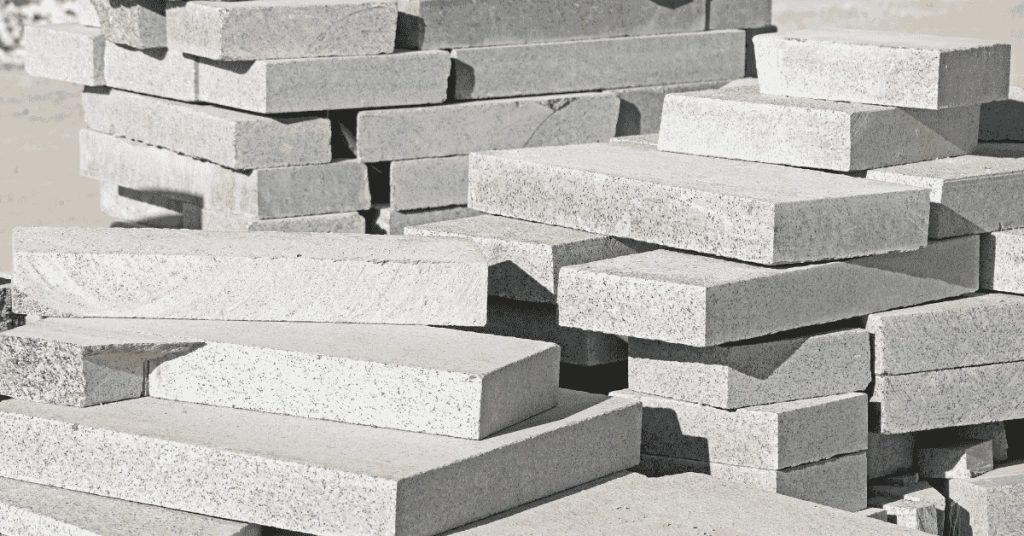
Stacked concrete bricks and blocks outdoors

Concrete Planters: Waterproofing details that don’t peel or trap moisture

Introduction Waterproofing concrete planters means using sealants or coatings that block moisture from entering the concrete and from leaching out. Choose products labeled for concrete and exterior use, and follow the label for surface prep and drying times. Check the manufacturer instructions and local rules for any specific requirements. Apply the sealant with even coverage

Concrete Planters: Waterproofing details that don’t peel or trap moisture Read More »

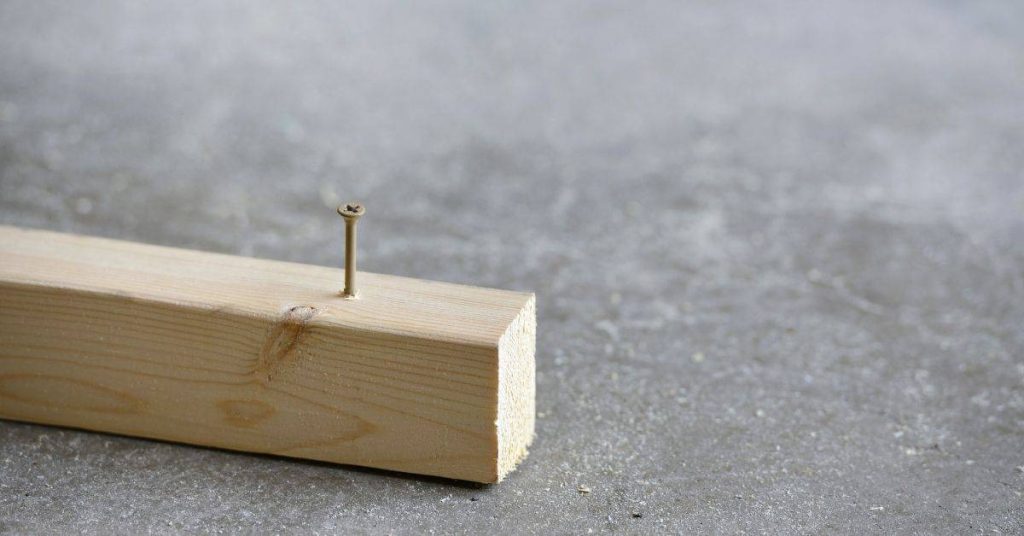
wood block with nail sticking out on concrete surface

Stucco Wicking From Concrete: How to stop moisture at the transition

Introduction Stucco wicking from concrete is moisture drawn from the concrete into the stucco layer. It happens when the concrete surface stays damp and porous, pulling water into the plaster as it dries. That moisture can cause staining, peeling, or long-term damage if not addressed. To stop it at the transition, start with a dry,

Stucco Wicking From Concrete: How to stop moisture at the transition Read More »

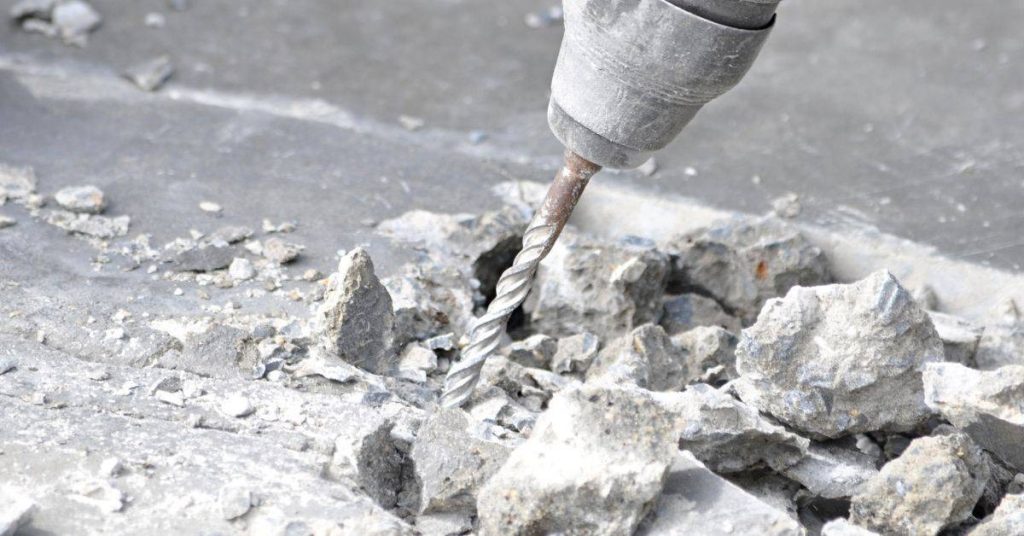
closeup of drill bit breaking concrete surface

Setting Posts in Concrete: How to avoid the ‘water cup’ rot trap

Introduction Setting posts in concrete helps keep them straight and protected from rot by sealing the base. This quick intro covers practical steps to avoid the water cup rot trap and finish a solid, long-lasting post setup. You’ll learn what to check and how to handle common DIY spots without getting overwhelmed. Look at the

Setting Posts in Concrete: How to avoid the ‘water cup’ rot trap Read More »

Concrete slab construction with wooden formwork and steel rebar

Concrete Drainage Without Demo: Small slope fixes that actually move water

Introduction Concrete drainage without demo means guiding water away from the area by tweaking existing surfaces, not tearing out concrete. It’s a practical, hands-on approach that relies on small slope tweaks, edge shaping, and surface detailing. Check local rules and the product labels to ensure your method is allowed. Map out a simple plan for

Concrete Drainage Without Demo: Small slope fixes that actually move water Read More »

Fresh asphalt driveway in front of garage door

Concrete at Garage Doors: Fixing ponding and preventing water intrusion

Introduction Concrete at garage doors refers to the slab at the door opening where improper drainage or settling can cause ponding. This condition signals potential water intrusion if left unaddressed. Start by noting slopes, cracks, and joints that may let water pool near the threshold. Common causes are poor drainage, foundation issues, or slab settling

Concrete at Garage Doors: Fixing ponding and preventing water intrusion Read More »