Search Results for: how tpo

Concrete slab being smoothed with a screed tool

Repairing a Concrete Slab with Map Cracking: When to Overlay vs When to Remove

Introduction Map cracking on a concrete slab is a network of shallow, random surface cracks that often signal surface distress rather than full structural failure, and deciding whether to overlay or remove depends on the depth, movement, and underlying cause. If the cracks are shallow, the slab is stable, and there is no significant settlement […]

Repairing a Concrete Slab with Map Cracking: When to Overlay vs When to Remove Read More »

Concrete being poured from chute onto foundation slab

Cold Weather Concrete Without Guesswork: Insulation, Heaters, and When to Delay the Pour

Introduction Cold-weather concrete without guesswork means treating temperature, timing, and insulation as controllable variables rather than luck. In plain terms: if the mix, forms, and the freshly poured concrete can be kept from freezing until it gains strength, the job can proceed; when you can’t guarantee that, delay the pour. Check product labels, manufacturer instructions,

Cold Weather Concrete Without Guesswork: Insulation, Heaters, and When to Delay the Pour Read More »

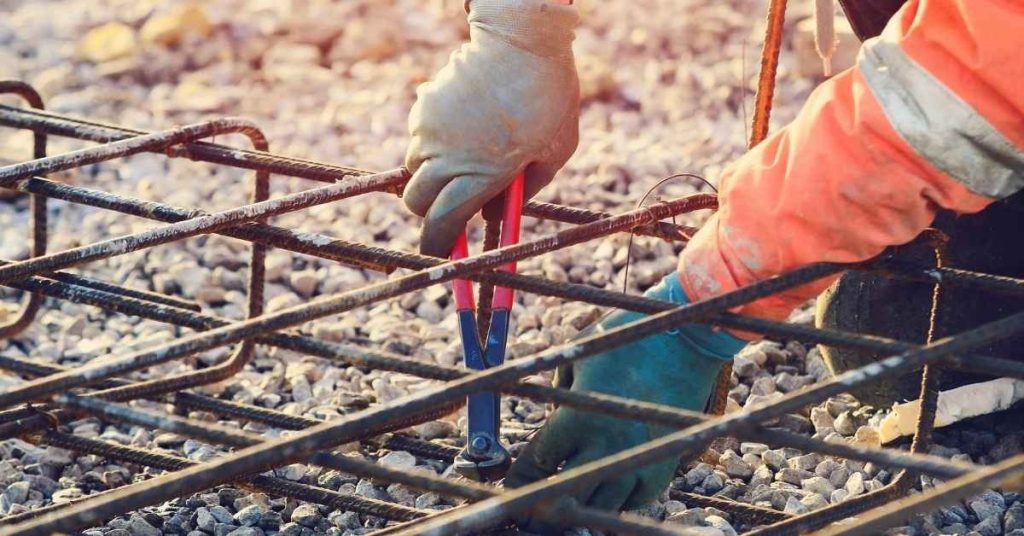
Worker tying rebar grid with pliers on gravel base

What Happens If a Concrete Slab Is Too Thin? Real-World Failure Signs, Load Issues, and Fix Options

Introduction A concrete slab that is “too thin” means it lacks the mass and reinforcement to carry the loads and ground movements expected of it, and it will show that by failing sooner than a properly sized slab. Expect visible signs like cracking, sagging, or edge spalling, and check manufacturer guidance, product labels, and local

What Happens If a Concrete Slab Is Too Thin? Real-World Failure Signs, Load Issues, and Fix Options Read More »

Person installing asphalt shingles on sloped roof with nail gun

Can You Shingle a Flat Roof? DIY Reality Check, Steps, and Stop Rules

Introduction Yes, you can shingle a flat roof, but it requires different techniques and precautions. You’ll want to understand how flat roofs differ from pitched ones, especially around slope, drainage, and edge details. This piece gives a practical, hands-on look at what to check before you start and how to approach the work safely. Before

Can You Shingle a Flat Roof? DIY Reality Check, Steps, and Stop Rules Read More »

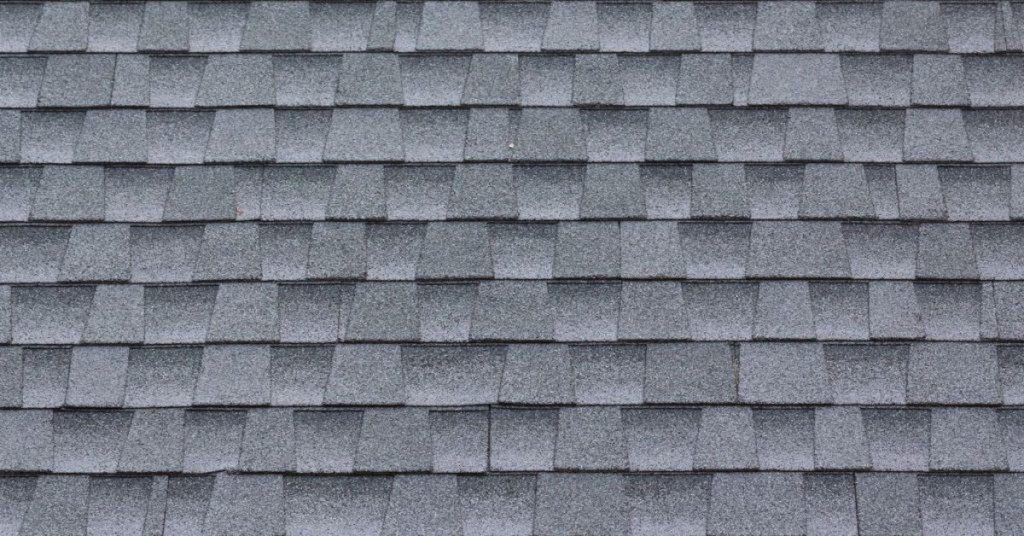
Close-up of gray asphalt shingle roof

Most Durable Roofing Material: How to Compare, Test, and Choose

Introduction The most durable roofing material is the option that resists weathering and lasts the longest with proper installation and maintenance. In practice, that means considering how well a roof stands up to wind, hail, temperature changes, and UV exposure. A good choice fits your climate, roof pitch, and maintenance plan. When comparing options, balance

Most Durable Roofing Material: How to Compare, Test, and Choose Read More »

Hands holding brown color paint swatches over building plans

DIY Stucco Paint Selection by Climate: Hot/Humid vs. Freeze/Thaw vs. Coastal Salt

Introduction DIY stucco paint selection by climate means choosing paints and finishes that tolerate hot and humid, freeze/thaw, or coastal salt conditions. Your climate dictates how well coatings bond, dry, and resist cracking. Think of it as matching the product to your weather and exposure. Start by checking the label for moisture tolerance, temperature range,

DIY Stucco Paint Selection by Climate: Hot/Humid vs. Freeze/Thaw vs. Coastal Salt Read More »

Person sanding drywall with power sander

Paint Sheen Flashing on Drywall: Controlling Porosity Before Finish Coats

Introduction Paint sheen flashing on drywall is the uneven absorbency you see when the wall soaks in primer or finish at different rates. It’s caused by porosity differences in the surface that show up as uneven sheen after the first coat. To address it, look for high-porosity spots and use a compatible primer to even

Paint Sheen Flashing on Drywall: Controlling Porosity Before Finish Coats Read More »