Search Results for: heat resistant cement for high heat

paint tray with paint roller covers and a paintbrush covered in dried paint

How to Store Partially Used Paint for Years: Skin Prevention and Remix Steps

Introduction Long-term storage of partially used paint means keeping the can sealed, preventing skin from forming, and preserving it for future remix. Keep containers tightly closed, label clearly, and store upright in a cool, stable spot away from direct heat or freezing conditions. Check the product label and manufacturer instructions for any shelf-life notes or […]

How to Store Partially Used Paint for Years: Skin Prevention and Remix Steps Read More »

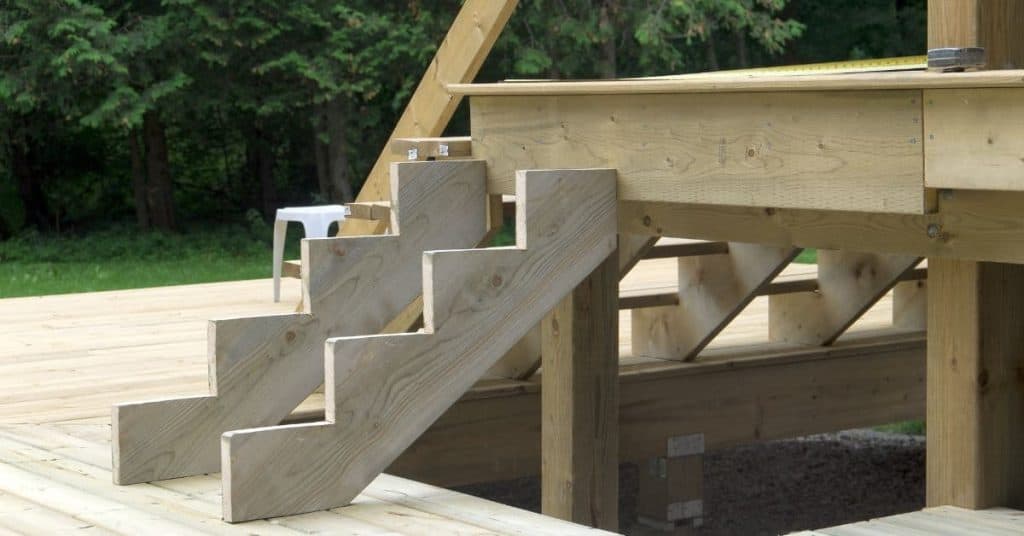
Unfinished wooden stair stringers on raised deck under construction

Deck Paint vs. Porch Paint vs. Floor Enamel: Which One Fails Where and Why

Introduction Deck paint, porch paint, and floor enamel are surface coatings chosen for outdoor decks, porches, and floors. They each have different binders and wear patterns, so they perform best on their intended substrate. Look at the label and instructions to confirm where it’s recommended and what prep is required. Check for recommended cleaners, primers,

Deck Paint vs. Porch Paint vs. Floor Enamel: Which One Fails Where and Why Read More »

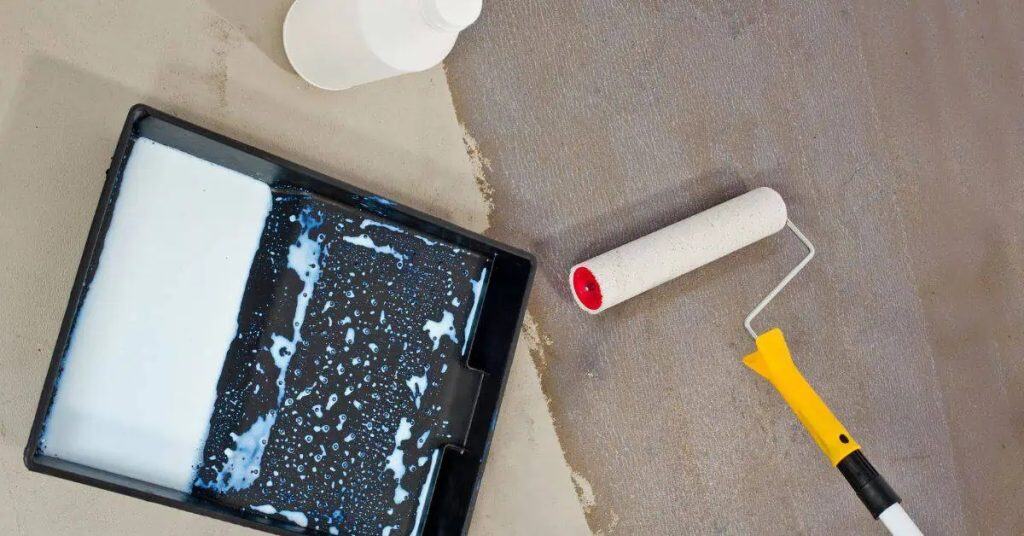
Paint roller and tray with white primer on concrete floor

How to Paint a Concrete Porch Floor That Sees De-Icers: Coating Types and Prep

Introduction Painting a concrete porch floor that sees de-icers means applying a durable coating to protect the surface from salt damage and freeze-thaw while making it easier to clean. This article guides a hands-on approach, from choosing coatings to prep and simple techniques you can do yourself. Keep in mind that prep and proper product

How to Paint a Concrete Porch Floor That Sees De-Icers: Coating Types and Prep Read More »

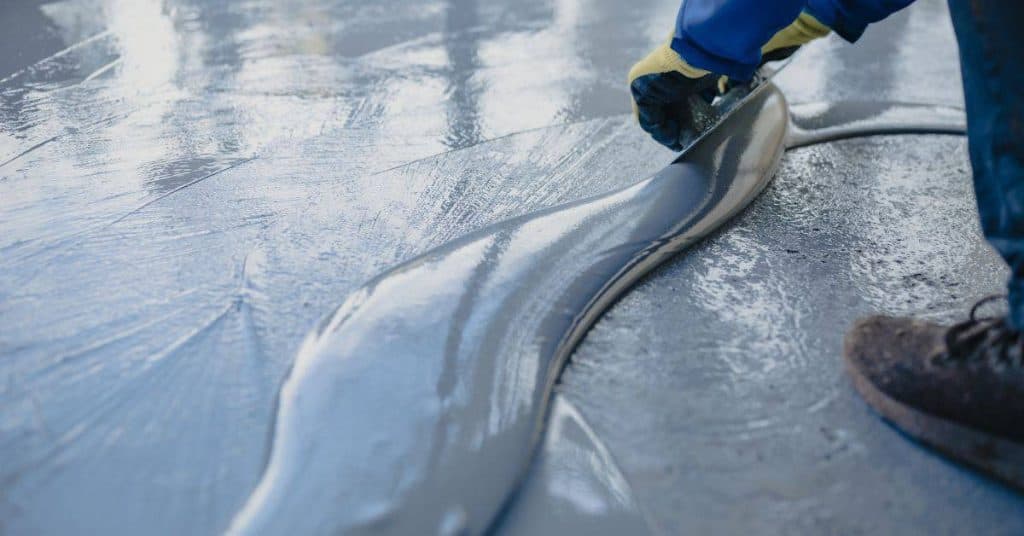
Person applying glossy epoxy coating on concrete floor

Painting Basement Walls Without Trapping Moisture: Mineral Paints vs. Acrylics vs. Epoxy

Introduction Painting basement walls without trapping moisture means choosing a coating and prep method that manages moisture rather than sealing it in. Start by diagnosing the wall condition and cleaning, repairing leaks, and planning ventilation before any paint goes on. Then determine if the wall needs moisture barriers, steps for drying, and whether to apply

Painting Basement Walls Without Trapping Moisture: Mineral Paints vs. Acrylics vs. Epoxy Read More »

Interlocking concrete pavers arranged in a grid pattern.

How to Cast Removable Concrete Pavers With Built-In Lifting Slots

Introduction Removable concrete pavers with built-in lifting slots are modular paving units cast with recessed grips to lift and reposition. This is a practical, hands-on overview you can follow in a DIY setup for long-term flexibility and easy maintenance. When selecting materials and planning, check product labels and manufacturer instructions for slot design, heel protection,

How to Cast Removable Concrete Pavers With Built-In Lifting Slots Read More »

White insulated concrete forms stacked outdoors on grass

DIY Concrete Door Sill / Threshold Pour: Forms, Drip Edge, and Sealant Joint

Introduction A DIY concrete door sill/threshold pour is a hands-on project to create a flat, durable doorway transition using simple forms, controlled pours, and proper finishing. You’ll set up forms to hold the concrete at the right height and shape, then plan for a drip edge and a clean joint where the sill meets the

DIY Concrete Door Sill / Threshold Pour: Forms, Drip Edge, and Sealant Joint Read More »

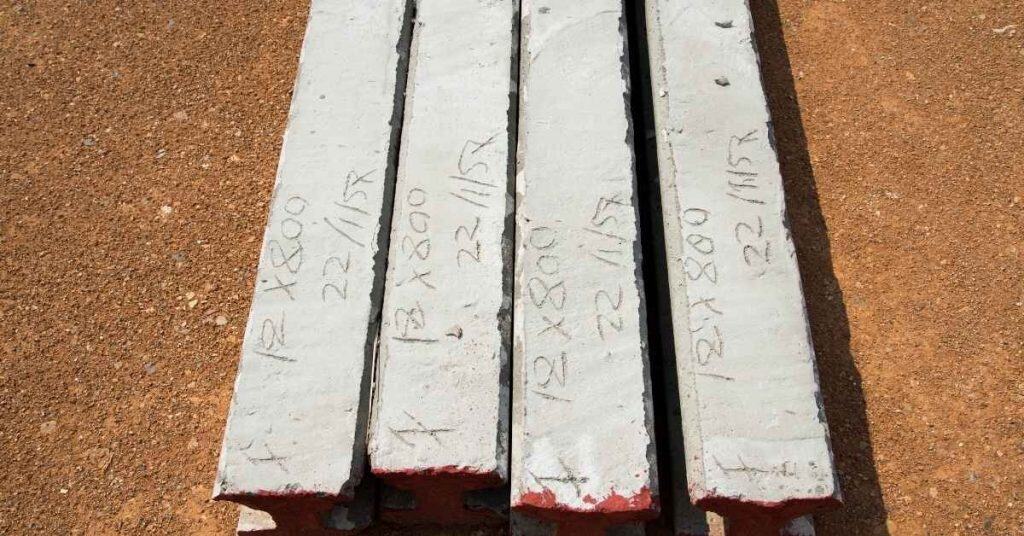
Four concrete test slabs with markings on surface

DIY Carbonation Test for Old Concrete (What It Means for Anchors and Repairs)

Introduction A carbonation test shows how much the concrete has hardened through exposure to CO2, which can affect how anchors hold. This article walks you through what that means for anchors and simple repairs, in plain DIY language. You’ll learn what to check on materials, tools, and local rules when you plan a fix. The

DIY Carbonation Test for Old Concrete (What It Means for Anchors and Repairs) Read More »