Search Results for: heat resistant cement for high heat

Room with exposed grid frame ceiling and ladder

Fixing a Sagging Drywall Ceiling: Fastener Patterns, Adhesive, and When to Add Strapping

Introduction Fixing a sagging drywall ceiling involves choosing the right fastener pattern, using adhesive appropriately, and knowing when to add strapping. I’ll walk you through practical approaches you can do at home, without fancy tools. Check product labels and local rules for fastener types and weight limits. Count on a hands-on approach: test the area, […]

Fixing a Sagging Drywall Ceiling: Fastener Patterns, Adhesive, and When to Add Strapping Read More »

Close-up of blue fiberglass mesh rolls

Paperless Drywall (Fiberglass-Faced): Where It Helps, How to Finish It, and Common Pitfalls

Introduction Paperless drywall with fiberglass facing is a gypsum board that uses a fiberglass mat instead of paper on the surface. It’s designed to resist moisture and mold better in damp spaces, though it still needs proper installation and sealing. This article covers where it helps, how to finish it, and common pitfalls. When finishing,

Paperless Drywall (Fiberglass-Faced): Where It Helps, How to Finish It, and Common Pitfalls Read More »

Close-up of white decorative plaster medallion with damage

Repairing Decorative Plaster Medallions: Making Silicone Molds for Missing Details

Introduction This article explains how to make silicone molds for missing details on decorative plaster medallions. It keeps the process practical and DIY-friendly. You’ll need to assess the piece, gather safe materials, and follow manufacturer instructions for any mold-making products. You’ll outline the plan, measure rough symmetry, and prepare a clean work area. Work slowly,

Repairing Decorative Plaster Medallions: Making Silicone Molds for Missing Details Read More »

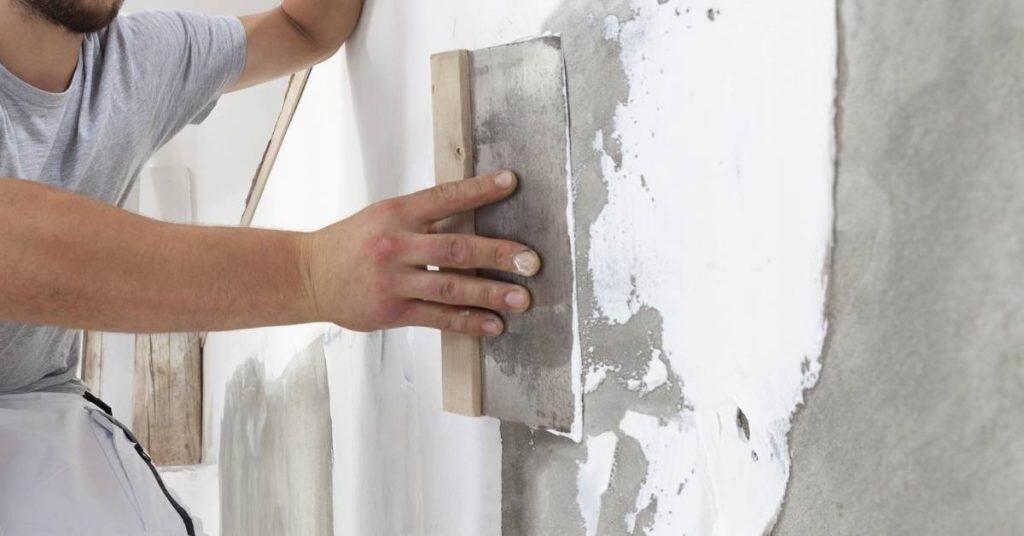
Person applying plaster to wall with tool

Creating a Plaster Accent Wall With Inlaid LED Channels (No Cracks at the Channel)

Introduction This is plaster on a wall with inlaid LED channels designed to hide lighting and keep cracks at the edges under control. It’s a hands-on project that blends masonry work with lighting details. You’ll mix, set, and shape plaster around recessed channels while planning for even lighting. Plan the layout and follow straightforward steps

Creating a Plaster Accent Wall With Inlaid LED Channels (No Cracks at the Channel) Read More »

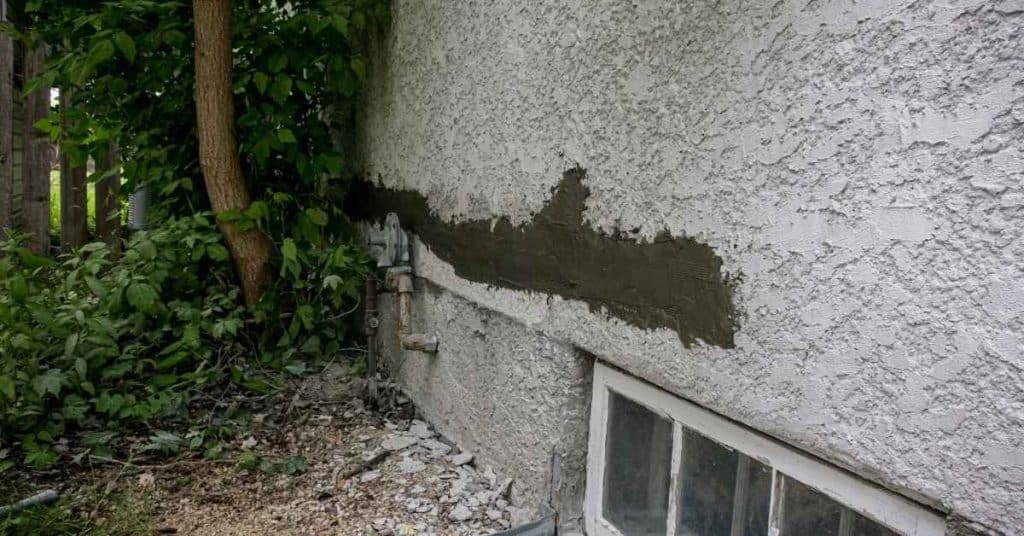
Stucco wall with fresh patch above basement window

How to Patch Stucco Where Lath Is Rusting: Cutback Limits, Fastener Choices, and Rebuild

Introduction This guide shows how to patch stucco when the metal lath under it is rusting. You’ll assess the damage, remove deteriorated material, and prepare the surface for repair. Keep the work conservative and follow safety and building guidance as you go. Cutback limits depend on the substrate and structure, so check manufacturer instructions and

How to Patch Stucco Where Lath Is Rusting: Cutback Limits, Fastener Choices, and Rebuild Read More »

blue stucco wall texture with varied surface depth

Sealing Penetrations Through Stucco (Vents, Linesets, Pipes): The ‘Sleeve + Flange’ Method

Introduction Sleeve + flange is a method to seal vents, linesets, or pipes where they pass through stucco. You install a sleeve through the opening, then attach a flange to seal against the wall and weather. This approach helps keep water out and makes future maintenance easier. Start by choosing a sleeve size that fits

Sealing Penetrations Through Stucco (Vents, Linesets, Pipes): The ‘Sleeve + Flange’ Method Read More »

Close up of foam insulation and stucco edge

How to Repair a Missing Stucco ‘Drip Edge’ at Horizontal Bands (So Water Stops Tracking Back)

Introduction A missing stucco drip edge is the built‑in edge of the stucco that directs moisture away and stops water from tracking back into the wall. Without it, water can wend its way behind the band and cause staining or leaks. To fix it, plan to add proper edging or flashing where the horizontal band

How to Repair a Missing Stucco ‘Drip Edge’ at Horizontal Bands (So Water Stops Tracking Back) Read More »

Hands holding brown color paint swatches over building plans

DIY Stucco Paint Selection by Climate: Hot/Humid vs. Freeze/Thaw vs. Coastal Salt

Introduction DIY stucco paint selection by climate means choosing paints and finishes that tolerate hot and humid, freeze/thaw, or coastal salt conditions. Your climate dictates how well coatings bond, dry, and resist cracking. Think of it as matching the product to your weather and exposure. Start by checking the label for moisture tolerance, temperature range,

DIY Stucco Paint Selection by Climate: Hot/Humid vs. Freeze/Thaw vs. Coastal Salt Read More »

Reinforcing mesh embedded in stucco corner near white wall

Stucco Corner Cracks at Windows: Mesh Layout That Actually Stops the Repeat Cracks

Introduction A proper mesh layout at window corners is a reinforcement plan that helps stop cracks from reappearing. It keeps the stucco from pulling away where the frame meets the opening. Check manufacturer instructions and local rules for acceptable mesh sizes and application methods. I lay out the mesh so it overlaps the corner edges

Stucco Corner Cracks at Windows: Mesh Layout That Actually Stops the Repeat Cracks Read More »

Angle grinder resting on concrete block outdoors

Repairing Stucco Behind Downspouts: Rebuilding the WRB and Getting the Termination Right

Introduction Repairing stucco behind downspouts means fixing the weather-resistant barrier and ensuring proper edge termination to prevent water intrusion. This is a hands-on DIY task that focuses on reestablishing a continuous moisture barrier and a clean transfer of water away from the wall. You’ll need to work behind the downspout area, where access and flashing

Repairing Stucco Behind Downspouts: Rebuilding the WRB and Getting the Termination Right Read More »