Search Results for: heat resistant cement for high heat

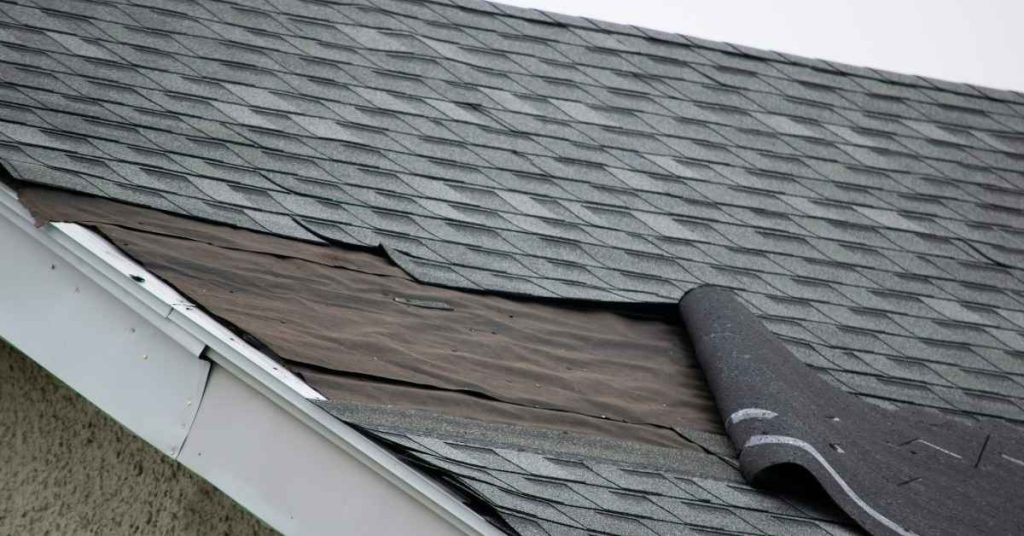
Roof with asphalt shingles partially lifted showing black underlayment

Roof Underlayment Types: Felt vs Synthetic vs Peel-and-Stick (When to Use Each)

Introduction Roof underlayment is the protective layer installed under the shingles to keep the roof deck dry when the surface isn’t exposed. Felt, synthetic, and peel-and-stick each have a place, but the right choice depends on weather, roof type, and ease of install. Check the product label and local rules to confirm what to use

Roof Underlayment Types: Felt vs Synthetic vs Peel-and-Stick (When to Use Each) Read More »

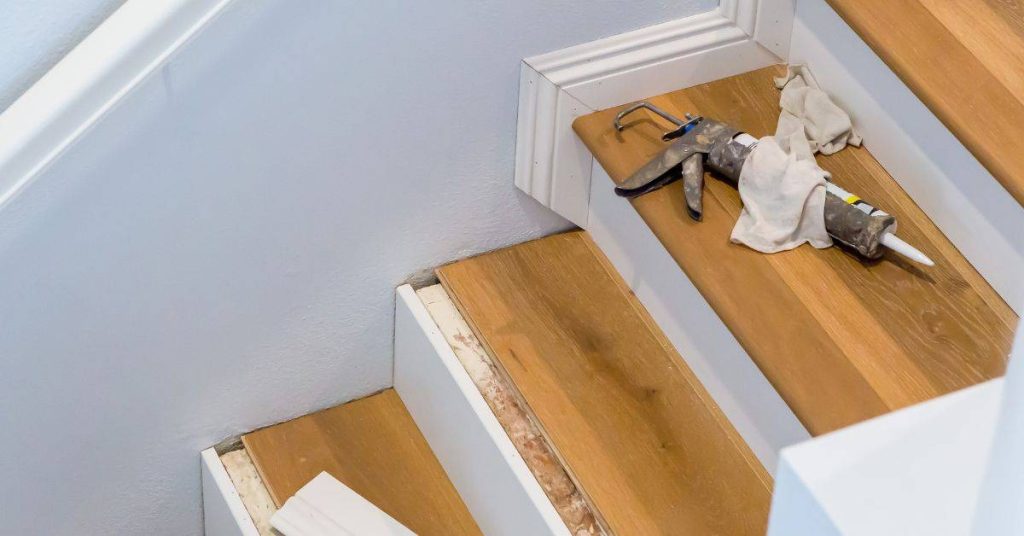
Caulking gun and cloth on wooden stairs next to white baseboards

Caulking Baseboards: Which Caulk to Use and How to Avoid Cracks

Introduction Use a flexible, paintable caulk designed for interior trim to seal baseboards. It should cure cleanly and move with seasonal expansion to prevent cracking. Check that the label says wood or drywall, and look for low VOC if you care. Key takeaways Select a paintable, flexible caulk compatible with both baseboards and walls. Wear

Caulking Baseboards: Which Caulk to Use and How to Avoid Cracks Read More »

Interior wall with patched drywall and blue ladder

Vapor Retarders in Walls: Where They Go (and When They Cause Mold)

Introduction A vapor retarder is a material in walls that slows moisture moving through the wall. Where it goes depends on the wall design and climate, so check the product guidance and local rules. If you’re unsure, use the simplest, approved option and follow the manufacturer’s directions. They can contribute to mold if moisture gets

Vapor Retarders in Walls: Where They Go (and When They Cause Mold) Read More »

Workers pouring concrete over steel rebar on construction site

Monolithic Slab Thickened Edge: Layout, Rebar, and Insulation Details

Introduction A monolithic slab thickened edge is a single concrete slab with a wider edge around the perimeter to act as part of the structural footing. It combines layout, reinforcement, and thermal details in one pour for a simpler, continuous structure. In plain terms, you’re planning the edge thickness, where the rebar goes, and how

Monolithic Slab Thickened Edge: Layout, Rebar, and Insulation Details Read More »

Worker in red overalls holding toolbox near garage door

Slab Insulation at Garage Door: Thermal Break Details That Actually Fit

Introduction A thermal break is a gap or barrier that reduces heat transfer between the concrete slab and the garage door opening. This introduction explains how slab insulation at the door area helps curb drafts and heat loss in plain, hands-on terms. We’ll keep it practical and avoid tech-heavy jargon so you can plan a

Slab Insulation at Garage Door: Thermal Break Details That Actually Fit Read More »

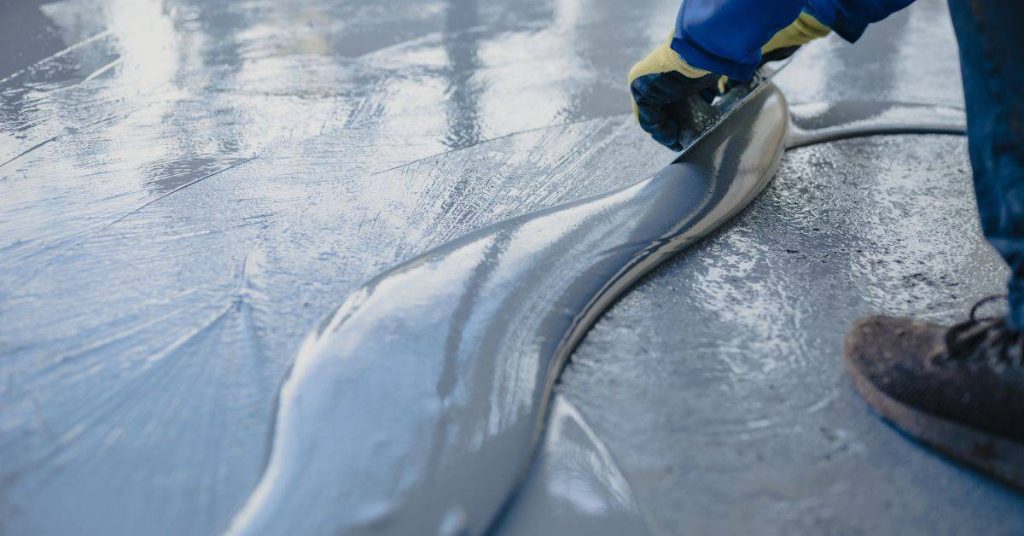
Worker applying grey epoxy floor coating with gloved hand

Primer for Overlays: Acrylic vs Epoxy (Choosing the Right System)

Introduction Acrylic and epoxy primers are two common options for preparing concrete overlays, each with distinct behavior and work styles. Acrylic primer typically dries faster and tolerates some movement, while epoxy primer tends to offer greater adhesion and chemical resistance. Look at the label for cure times, substrate compatibility, and any recommendations for overlays to

Primer for Overlays: Acrylic vs Epoxy (Choosing the Right System) Read More »